

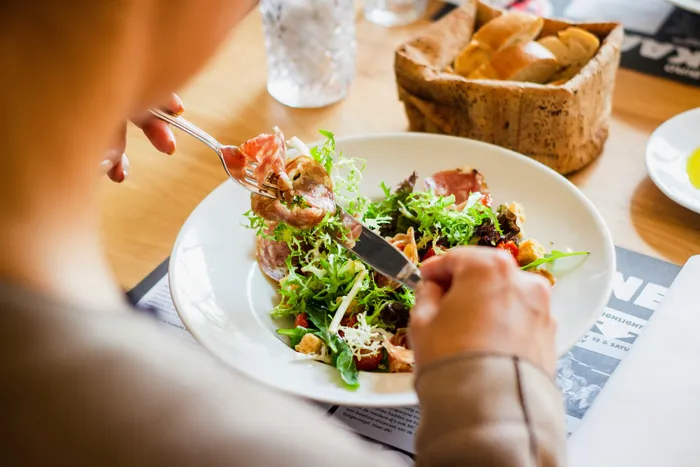
The 'Ozempic effect' has already begun to influence dining patterns significantly with travellers consuming and drinking less.
Image: Unsplash
As weight-loss medications like Ozempic, Mounjaro and Wegovy gain traction globally, the hospitality landscape is evolving rapidly.
These drugs are not just altering personal dietary habits; they are also setting new trends for restaurants, bars and entire vacation experiences.
South Africa, a key player in the global tourism market, is poised both to feel the effects and to adapt to the changing appetites of international visitors.
In countries like the UK and the US, the "Ozempic effect" has already begun to significantly influence dining patterns.
Data from the British hospitality research agency, KAM Insight, reveals that around 7% of UK adults are using GLP-1 drugs for weight loss, resulting in one in three diners choosing to eat out less frequently.
Likewise, a "Bloomberg" report indicates that over half of surveyed users in the US are dining out less often, opting instead for nutrient-dense meals and smaller portions.
The Food Away from Home Association reports a noticeable drop in spending per head, with patrons desiring lighter meals and cutting back on alcohol and fizzy drinks.
While these trends may seem distant from the vibrant tourism scene in South Africa, Rachel Irvine, CEO of Irvine Partners, believes the implications are real, but, for now, minimal.
“The impact will be limited initially because GLP-1 medicines are costly, and their supply is still restricted,” she explains.
However, she anticipates a shift in consumption patterns among international travellers.
Smaller portions, lighter breakfasts, and lesser alcohol consumption could mean less revenue per guest, but there’s a silver lining.
Irvine suggests that this trend presents an opportunity for the South African hospitality industry to pivot towards clean eating, wellness tourism and sustainable practices.
“We already have access to incredible fresh fruits, vegetables, seafood and lean game. It’s about making our menus lighter yet still satisfying,” she comments.
This potential shift may well inspire resorts and restaurants to swap hefty mains for enticing grilled fish, vibrant vegetable dishes or succulent lean game.
South Africa’s renowned wine farms could also embrace this change by expanding their low-alcohol and non-alcoholic offerings.
“If guests are ordering less, they may be inclined to spend more on quality - like a special vintage or a curated tasting flight,” Irvine says.
Moreover, hotels might consider rebranding themselves as wellness retreats, featuring activities such as guided hikes, yoga at sunrise or rejuvenating spa treatments.
“This aligns perfectly with the needs of GLP-1 users and other wellness-focused travellers,” she adds.
There’s also potential for the growth of medical-wellness tourism, with the introduction of regulated weight-management programmes alongside beautifully curated health experiences.
As the holiday season approaches, some industry players remain optimistic.
“Although it’s business as usual this time around, it’s essential to stay adaptable. If GLP-1 users are seeking lighter food, we should deliver excellence - not austerity,” Irvine advises.
“If they are drinking less, offer drink menus that spark curiosity rather than simply filling glasses. The key is to create an abundance of quality and care.”
In a world where consumer appetites are shifting, the travel and hospitality sector in South Africa stands at a crossroads.
Whether viewed as a threat or an opportunity, the choice is clear - maintain that warm, generous welcome while evolving to meet the dietary desires of a new generation of travellers.
As noted by Irvine, “The world's appetites are changing. South Africa must seize the moment to adapt without losing its essence.”