

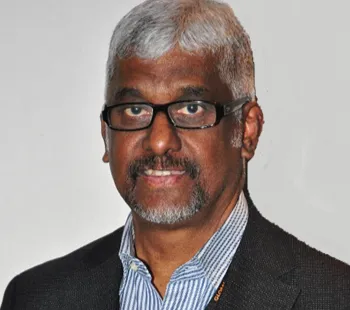
Professor Morgan Chetty
Image: Supplied
Durban will become the crucible of healthcare debate this weekend, July 24 to 26, as the KwaZulu-Natal Doctors Healthcare Coalition (KZNDHC) convenes its annual conference at Coastlands Conference Centre, Musgrave, under the theme “Transitioning from Health Crisis to a Future Functional Health System”.
Thirty years after its founding, the coalition stands out merely as a witness to South Africa’s evolving health landscape, but as an active architect of reform - championing quality, cost-effective, and accessible care for all citizens.
With Professor Morgan Chetty at the helm, the gathering will be less about nostalgia and more about urgency: how to harness innovation, policy, and collective will to move from crisis management to a system that truly serves patients.
Chetty said the coalition had been relevant during the last three decades because it had stayed abreast of new health policies, regulations and changes pertinent to health professionals and communicated regularly with its members. Many members of the coalition are regular participants in national and African health programmes.
“This has propelled KZNDHC beyond the country’s borders to understand continental and global health challenges. The challenges of other countries impact us as we live in a global village. The Global Health Landscape is faced with similar challenges. As we move from health crisis to a future functional health system, we need to create a future collectively,” Chetty said.
He said AI and digitisation were relevant to future healthcare and would help doctors to monitor, assess risk and collate data to introduce remedial changes. AI reduces the administration burden and frees doctors to spend more time with patients on clinical care.
“AI will not replace health professionals, but doctors who are not AI and technology savvy will be a challenge to their colleagues. Adoption of AI and digitisation is necessary for everyone, irrespective of age."
Central to the discussions was the coalition’s commitment to Value-Based Care (VBC), a model that rewards doctors for improving patient health outcomes and prioritising preventative care, rather than the traditional “fee-for-service” system that pays per procedure.
“At its heart, VBC restores patients to the centre of healthcare,” explained Prof Chetty.
“For centuries, medicine has operated on a transactional basis - consultations, tests, procedures - with little regard for whether the patient’s condition actually improved. If someone returned three times for the same ailment, the system paid three times, regardless of resolution.”
By contrast, VBC asks sharper questions: Did the patient recover? Was a hospital visit avoided? Did we slow the advance of a chronic illness? It shifts the focus from volume to value, emphasising care coordination, cost reduction, and proactive management of long-term conditions.
“It is about outcomes, not outputs,” Chetty added, underscoring that the model sought to reward doctors for delivering lasting health rather than repeat interventions.