

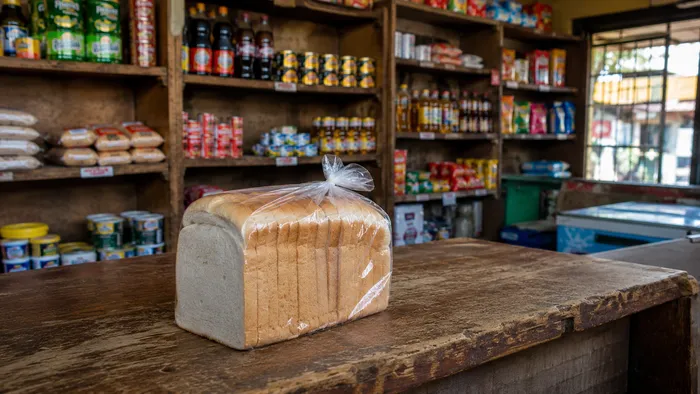
Residents in Durban townships say the cost of bread and other everyday essentials has risen sharply after South African-owned businesses took over several spaza shops previously run by foreign nationals.
Image: ChatGPT / AI
Residents in Durban townships have expressed concern over rising prices of bread and other basic food items at spaza shops, taken over by South Africans
"We used to pay R20 for a loaf of bread, and now it's R30 since the foreign spaza shop owners left the area. Their shops were taken over by locals and suddenly, we're paying more for almost everything. When we argue with them and ask why they're charging more, they tell us to go back to the foreigners and buy it cheaper. They know we don't have a choice. We just have to pay more if we need those things now," said Zandile, a 37-year-old single mother from Chesterville, Durban.
Foreign-owned spaza shops have traditionally pooled their buying power to purchase goods in bulk, negotiate favourable prices with suppliers and operate on slim profit margins.
By contrast, many South African-owned spaza shops purchase goods individually, resulting in higher operating costs.
This has been particularly evident among businesses taken over after foreign nationals left some townships amid growing anti-immigrant pressure across the country.
In KwaMashu, north of Durban, residents voiced similar concerns about what they described as overnight price increases, despite welcoming the takeover of spaza shops by South Africans.
"Eish, it's bad. The prices of almost everything have gone up in our spaza shops. Even a single tea bag. We used to pay 50 cents; now it's R2. The other problem is that they also open late and close by 5pm. When the foreigners owned these spaza shops, they opened at 5am, so our kids could get fresh bread before going to school, and we could buy things at night. Now we can't, and we have to pay more," said Londy, a 32-year-old resident of KwaMashu.
Several other residents expressed similar concerns, with one local quipping: "We wanted this, so now we mustn't complain."
To help level the playing field and support South African-owned spaza shops, the government launched the R500 million Spaza Shop Support Fund in 2025. The initiative aims to encourage, support and empower South Africans to own and operate spaza shops, a sector that, in many areas, has been dominated by foreign-owned businesses.
However, progress has been slower than anticipated. To date, 2,369 spaza shops have been approved for support, with R179.6 million allocated from the R500 million fund, leaving more than R320 million still available.
The government has attributed the slow uptake to the fact that many applicants lacked valid trading licences or failed to meet other compliance requirements. It has since intensified outreach efforts to help qualifying businesses meet the requirements and access the funding.