

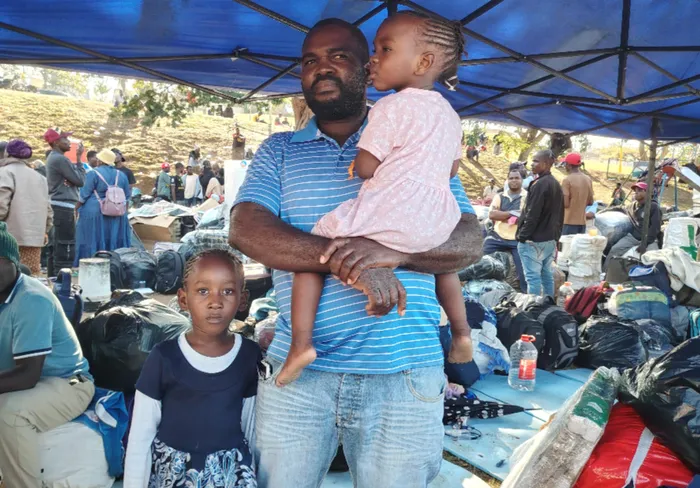
Shaffe Raja, with his two young daughters, Grace and Brenda.
Image: Chumani Mazwi
AMID escalating tensions in Clare Estate, thousands of Malawian nationals have sought refuge at Sherwood Hall grounds, sharing their heart-wrenching stories of loss, uncertainty, and the struggle to return home.
Many said they were forced to flee their homes in the middle of the night, abandoning all their possessions as fears for their safety intensified ahead of the June 30 ultimatum for undocumented foreign nationals to leave South Africa.
Shaffe Raja, 40, who arrived at Sherwood Hall grounds with his two daughters, Grace, 6, and Brenda, 3, said his family fled Clare Estate under the cover of darkness.
“We thought we still had time to pack and leave. However, our lives were threatened, and we had to leave in a hurry. We left all of our belongings in the house we were renting,” he said.
Raja said they had no money to return to Malawi.
Having lived in South Africa for the past eight years, Raja said he and his wife arrived in 2018, in search of employment.
“I eventually started working in construction. I like it here. We can put food on our table. Back home the economy is not great. My children were born in this country. We have no way of getting back to Malawi. I also do not know how we will make a living there,” he added.
Raja said they were still uncertain of their fate.

Limbani Jeleni.
Image: Chumani Mazwi
Limbani Jeleni, 35, a delivery driver, who has lived in South Africa for six years, said the displacement had been heartbreaking.
“I feel sorry for my people. We meant to leave, but we were waiting for June 30. We were told by people we knew in Clare Estate that we had to leave and could longer stay there. The same people were so good to us before the anti-immigrant marches,” he said.
Jeleni said he was also unable to salvage the possessions he had bought with years of work.
“I am cash-strapped and have been trying to make a plan to go back to Malawi. I want to send my wife back first, and then make a plan to get myself home. The cost of the bus ride is R3,000. It is hard for us all to go back at the same time,” he added.
Despite the hardship, Jeleni remained measured in his view of South Africans.
“The economy back home is bad, and life will be hard there when we go back. We liked living in South Africa and I do not believe everyone is bad. It is just a sad situation right now.”
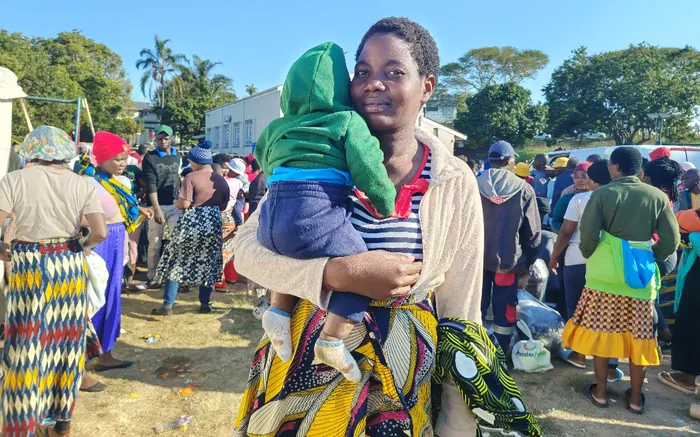
Martha Kennedy with her son Hopeson Matthew.
Image: Chumani Mazwi
For 25-year-old Martha Kennedy, who worked in a factory and has a 7-month-old son, Hopeson Matthew, the immigration crisis has shattered the hopes that brought her to South Africa, a year ago.
“I came here to make money to send home to my family. I also have a baby, which makes it harder to survive.”
Kennedy said she enjoyed her time in South Africa before the threats began.
“It was nice being here, in a country where making money was possible. The violent threats started and there was nothing else I could do except plant my exit.”
Without money for transport back to Malawi, Kennedy now relies on the support being provided at Sherwood Hall.
“We are lucky to be in Sherwood, where people are helping us. Otherwise I would fear for my life.”
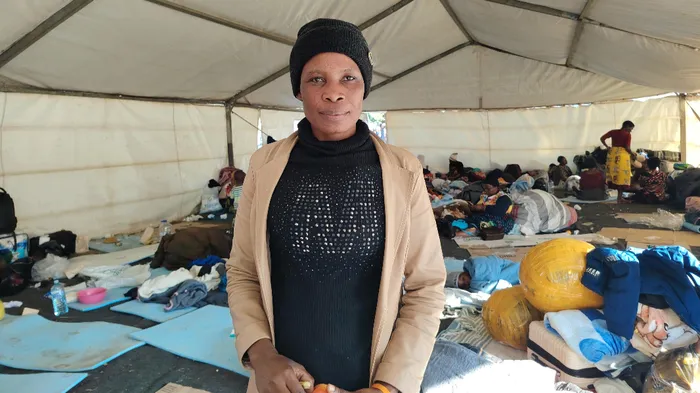
Eunice Aligundia.
Image: Chumani Mazwi
Eunice Aligundia, 35, who has worked as a housekeeper since arriving in South Africa seven months ago, described the panic of fleeing without knowing where she would go.
“I had to leave everything behind and run in the middle of the night. I did not know where to go until I was told about the Sherwood grounds.”
Aligundia said she came to South Africa seeking opportunities that were unavailable in Malawi.
“I left my home in Malawi for a better life here. I do not have money to go back home, but I am scared to be here any longer. The situation is growing worse each day.”
She described the hostility and abuse.
“People are hurting us and calling us names. It is not a place we can continue living. We were pushed out of our areas.”
Her appeal is simple: “My plea is just give us some time. We lost everything we built here. I do not know how to get home.”
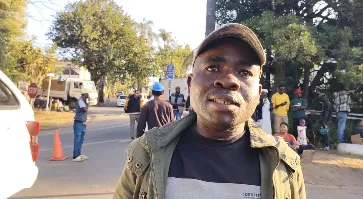
Frank Martin Vuma.
Image: Chumani Mazwi
For chef Frank Martin Vuma, 39, the displacement represents the end of more than a decade he spent building a life in South Africa.
Vuma entered the country in 2015, and said he had worked as a chef in numerous well-known restaurants during his 11 years in the country.
“I had to leave my area because I did not want to get killed. I have a family to support,” he said.
Vuma recalled the difficult circumstances that led him to leave Malawi.
“It was a tough situation in Malawi, which is why I had to come here. Now I find myself in an unsafe environment where people want me gone.”
Vuma said the hostility became impossible to ignore.
“As I was walking on the road, people screamed that the foreigners needed to leave. I like living in South Africa. We cannot live here and face harassment just because we want to support our families.”
He said he originally entered the country legally, but later faced challenges after a robbery.
“I came here documented. Within one year of being here, I was living in Cape Town and my home was robbed. They stole my documents and my passport. Since then I never went back home. I only sent money to my family.”
Although he insists most South Africans are good people, recent events have shaken him emotionally.
“The people in South Africa are good, but now I look at everyone differently. I know not everyone is bad, but now I feel sad being here.”
Vuma said he sought refuge at Sherwood Hall because he wanted to be among fellow Malawians facing similar struggles.
“I came to Sherwood grounds to be with my people because they know how I feel. I have no clothes or any belongings. I have to just concentrate on getting home.”
However, returning to Malawi remains financially out of reach.
“I have no money to go back to Malawi. Once I am back there, I have to make a plan for work. There will be no restaurants to take me in.”
Despite the uncertainty, he remains committed to the profession he loves.
“I love cooking and that is what I want to do for people. I do not know if I will get that chance again,” said Vuma.
As more displaced foreign nationals continue to arrive at Sherwood Hall, concerns are mounting over hygiene, accommodation, food supplies and transportation costs for those hoping to return to Malawi.