

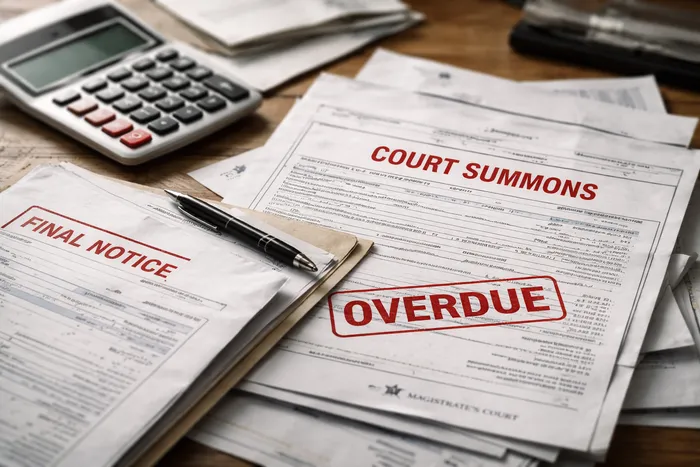
South Africa’s household debt burden has climbed to an estimated R2.4 trillion, placing increasing pressure on households already grappling with rising living costs.
Image: AI Generated
SOUTH Africa’s household debt burden has climbed to an estimated R2.4 trillion, placing increasing pressure on households already grappling with rising living costs.
At the same time, the financial warning signs are becoming harder to ignore. According to the National Credit Regulator, 4.9 million consumers have impaired credit records, while a further 6.3 million are already falling behind on repayments.
Against this backdrop, National Savings Month, observed in July, presents an opportunity for South Africans to reassess their financial habits and take practical steps towards reducing debt and building greater financial resilience.
“Debt can feel overwhelming, particularly when the cost of everyday essentials continues to increase,” says Tina Manyanya, spokesperson at short-term credit provider, Wonga. “The important thing is to remember that improving your financial position doesn’t happen overnight. Small, consistent decisions can make a meaningful difference over time.”
Five practical tips for reducing debt
“The first step is understanding your spending habits,” says Manyanya. “Review your bank statements, draw up a realistic monthly budget and prioritise your needs before your wants. Once you know where your money is going, it becomes much easier to identify unnecessary spending and redirect those funds towards paying off debt.”
“If the interest rate on your bond or loan decreases, resist the temptation to reduce your monthly repayment. Keeping your repayments at the same level means you're paying more towards the capital amount, helping you settle the loan sooner and reduce the total interest you'll pay,” she says.
“Credit cards often carry some of the highest interest rates,” says Manyanya. “Where possible, pay off the full outstanding balance each month rather than the minimum amount. Paying only the minimum allows compound interest to quickly increase what you owe.”
Manyanya recommends the snowball method for consumers managing multiple debts. “Focus first on clearing smaller debts with higher interest rates, such as credit cards, store accounts and personal loans. Once they’re paid off, use those repayments to tackle larger debts like vehicle finance or your home loan.”
“A budget isn’t about restricting yourself,” she says “It’s about deciding in advance how you’ll use your money. Having a plan makes it easier to spend intentionally, reduce unnecessary expenses, and make steady progress towards your financial goals.”
As financial pressures continue to affect households across the country, Manyanya says Savings Month should serve as a reminder that long-term financial wellbeing is built through consistent, practical habits rather than dramatic changes.
“Whether you're reducing debt, starting a savings habit or simply gaining a better understanding of your finances, every positive step brings you closer to greater financial security,” she says.