


Young people gather at Orlando Stadium in 2016 to commemorate the 40th anniversary of the Soweto Uprising. The apartheid government officially recorded 23 deaths on June 16, 1976, while the Cillié Commission later reported that more than 500 people were killed during the uprising, although many believe the true death toll was significantly higher. This year marks the 50th anniversary of the historic revolt, with South Africa's youth now facing the highest unemployment rate of any demographic group in the country.
Image: KOPANO TLAPE | GCIS
As South Africa marks Youth Month and commemorates the 50th anniversary of the 1976 Soweto Uprising, the nation is presented with an opportunity not only to reflect on the sacrifices of the youth of yesterday but also to inspire the youth of today to become active participants in shaping the country's future.
The events of June 1976 remain one of the defining moments in South Africa's liberation history. Thousands of young people courageously confronted an oppressive system that denied them quality education, dignity and opportunities for advancement. Their bravery helped accelerate the struggle for freedom and laid the foundation for the democratic South Africa that exists today.
Fifty years later, the conditions under which young South Africans live are fundamentally different. The democratic government has made significant strides in expanding access to education and opportunities. Millions of young people now have access to free basic education, no-fee schools, school nutrition programmes, student financial aid through the National Student Financial Aid Scheme (NSFAS), expanded access to higher education institutions and various youth development initiatives.
These achievements should not be underestimated. They represent the realisation of many aspirations for which the youth of 1976 fought and sacrificed.
However, commemorating the legacy of 1976 also requires honesty about the challenges confronting young people today. While political freedom has been achieved, economic freedom remains an ongoing struggle for many. South Africa continues to face high levels of youth unemployment, poverty, inequality, substance abuse, crime and gender-based violence. Many young graduates struggle to find employment, while others are discouraged by limited economic opportunities.
This socio-economic reality has contributed to frustration, hopelessness and social exclusion among sections of the youth population.
Youth unemployment presents both economic and social risks. Development is not merely about economic growth but also about expanding opportunities that enable people to live meaningful lives. When young people are excluded from labour markets and economic participation, their ability to exercise agency and contribute productively to society becomes significantly constrained.
The National Development Plan identifies youth unemployment as one of South Africa's most pressing challenges and emphasises the importance of education, entrepreneurship, innovation and skills development in creating pathways towards inclusive growth.
Despite these challenges, history demonstrates that difficult circumstances need not determine destiny. The youth of 1976 confronted an oppressive political system with far fewer opportunities than are available today, yet they displayed extraordinary courage, resilience and determination. Their actions transformed despair into resistance and oppression into possibility.
The contemporary generation can draw inspiration from this history. While the struggles of today may differ from those of apartheid, resilience remains equally important. Young people must resist the temptation of hopelessness and instead embrace innovation, entrepreneurship, education, civic participation and social responsibility as pathways towards meaningful transformation.
Government has made notable progress in expanding educational opportunities since the advent of democracy. Policies such as free basic education, no-fee schools, the expansion of higher education institutions, Technical and Vocational Education and Training (TVET) colleges, school nutrition programmes and NSFAS have significantly improved educational access for historically disadvantaged communities.
These interventions represent important democratic gains that would have been unimaginable during the apartheid era. Nevertheless, educational access alone is insufficient if it is not accompanied by meaningful economic participation and employment opportunities.
Equally concerning is the growth of social ills affecting many young people. Substance abuse, gangsterism, cybercrime, school violence, gender-based violence and mental health challenges continue to undermine social cohesion and human development in many communities.
This reality should not result in the stigmatisation of young people. Rather, it should encourage greater investment in youth empowerment programmes, mentorship, sports development, arts, culture, entrepreneurship and community-based interventions that strengthen resilience and social belonging.
Importantly, young people themselves possess agency and responsibility in shaping the future of South Africa. Positive citizenship requires active participation in community development, ethical leadership, volunteerism, environmental sustainability and democratic engagement.
The challenges confronting the country should not lead to disengagement but rather inspire collective action aimed at nation building. As Nelson Mandela famously argued, “Education is the most powerful weapon which you can use to change the world.” This statement remains deeply relevant in encouraging young people to pursue knowledge, skills and leadership as instruments of social change.
Another growing concern is political disengagement and voter apathy, particularly among young people. Many young citizens express frustration with political institutions and question whether voting has any meaningful impact on their lives.
While such frustrations may stem from genuine socio-economic grievances, political disengagement carries dangers for democratic governance. Democracy depends on active citizen participation and accountability. When citizens withdraw from democratic processes, they unintentionally weaken their ability to influence public policy and leadership outcomes.
Voter apathy creates a vacuum where decisions affecting employment, education, healthcare, housing and economic policy are made without meaningful youth representation. Refusing to participate politically does not remove politics from one's life; rather, it allows others to decide one's future.
The significance of voter registration must therefore be understood within this broader democratic context. Voter registration is not merely an administrative process but a civic responsibility and democratic investment in the future of the nation.
For young South Africans, registering to vote represents an opportunity to transform frustration into constructive participation and dissatisfaction into democratic influence. The youth of 1976 fought courageously for dignity, freedom and the right to shape their destiny. Contemporary youth already possess these constitutional rights. The responsibility lies in exercising them meaningfully.
As South Africa commemorates the 50th anniversary of the 1976 Student Uprising, the message to young people should be one of hope, perseverance and collective responsibility. The road towards social and economic transformation may be difficult, but South Africa's democratic history demonstrates that progress is possible when citizens remain committed to change.
South Africa remains a country of immense possibility. Its democratic institutions, constitutional protections, youthful population and rich history of resistance provide a strong foundation for renewal and development.
Youth Month should therefore not merely be an occasion of remembrance but a call to action. The sacrifices of 1976 demand that young people actively participate in shaping the future of the country. By rejecting social ills, embracing education, participating in democratic processes, registering to vote and contributing positively to their communities, young South Africans can honour the legacy of the youth of 1976 while helping to build a nation founded on equality, opportunity, dignity and hope for all.
(Sonjica is the spokesperson of the ANC in KwaZulu-Natal. His views do not necessarily reflect those of the Sunday Tribune, Independent Media or IOL. This piece was heavily cut. Get the full version at: www.sundaytribune.co.za)
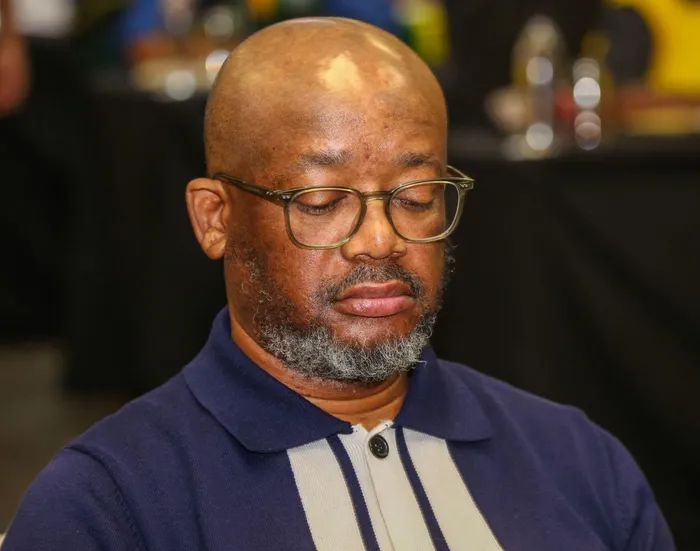
Sifiso Sonjica, the ANC KwaZulu-Natal spokesperson.
Image: SUPPLIED
50th anniversary of the June 16, 1976 Soweto uprisings.
Image: IOL