

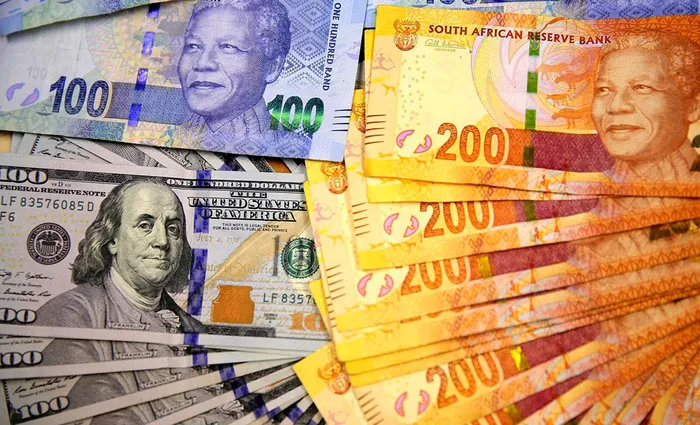
Many South African investors hesitate to move their money offshore, waiting for the 'perfect' exchange rate. This article explores how this fixation can lead to missed opportunities and outlines strategies for effective offshore investment.
Image: Reuters
There was a time when people stuffed banknotes into mattresses, books, and biscuit tins because they didn’t trust the banks. Bankers saw it as “dead money.” Today, the mattress has become a bank account, but in rands. Money is parked onshore, waiting for a “perfect” rate, while the real growth happens offshore.
The same investors who track US tech results, global indices, and offshore property deals will keep cash locally, for months, because the rand “isn’t strong enough”. They know what they want to own offshore, they accept the importance of diversification, but they allow currency fluctuations to dictate their investment strategy. So their portfolio stays rooted in South Africa.
Waiting for the “perfect rate” then becomes the reason to wait. And it’s usually not rational; it’s based on a hunch. Most investors are unlikely to be able to explain at which point the ZAR will be strong enough against the dollar, pound, or euro, before they decide to invest abroad.
The market rarely rewards those who hesitate. But it can punish you for hesitation.
Here are five ways that fixation on the “right time” can cost you:
1. There’s no such thing as a “perfect rate”
Ask ten investors for their ideal level – R16 to the dollar, R21 to the pound, or R18 to the euro – and you’ll get 10 numbers with no clear rationale. Those rate targets are seemingly moveable too, depending on headlines and sentiment.
But there’s no objectively “right” level. Allowing a fantasy exchange rate to drive decisions can mean giving up control of your timing.
2. Timing means having a plan
Good timing isn’t about guessing what the rand will do. It’s about deciding how much to move offshore, over what period, and how to invest. The exchange rate should guide timing, not dictate decisions.
A coherent strategy revolves around a clear plan – how much to move, when, and why – rather than relying on currency fluctuations.
3. The market doesn’t wait
Many investors obsess over currency fluctuations, thinking: “If only I’d waited a little longer, or acted sooner.” Yet they rarely consider what the target asset was doing at the same time.
For example, in 2025, the MSCI World returned more than 20% in dollar terms, while the rand moved within a single‑digit percentage band against the dollar for much of the year.
The opportunity cost of waiting often eclipses the gains of a slightly stronger rate.
It’s human nature to overestimate the power of timing and underestimate what delay can cost.
4. Spreads and fees make a bigger dent than small rate shifts
Some investors agonise over cents in the exchange rate, yet rarely question the wide spreads and bank commissions that effectively wipe out any “gains”. In South Africa, many banks apply a margin of roughly 2-3% on top of the base SWIFT or processing fee, effectively adding a hidden percentage of the transaction amount to what the client pays, even if the headline fee looks modest.
World Bank data from 2025 show that banks remain the most expensive way to send money across borders, with average costs in the low‑ to mid‑teens as a percentage of the amount sent, while non‑bank providers typically sit closer to 5% or less.
5. The smartest move is … just to move
For investors who want to build offshore assets, what’s holding them back is often not the rand level, but the difficulty of moving into action. Currency levels will always fluctuate. What makes a bigger difference is endless delays and missing out on opportunities.
The exchange rate is the part most people fixate on, but the bigger issue is how long the money just sits there.
Hindsight usually pricks for a different reason. Many South African investors don’t regret “getting the level wrong”, they regret watching offshore markets climb while their rand investments seem flat in comparison.
Clients are usually very clear on the rate they’d like to see. What surprises them later is not the rand, but how far the offshore asset climbed while they stayed committed to the local market. If you’re waiting for a perfect day, you’re not postponing the decision, you’re avoiding it.
* Scherzer is the CEO of Future Forex.
PERSONAL FINANCE