Words on wealth: remain invested in 2026, experts urge
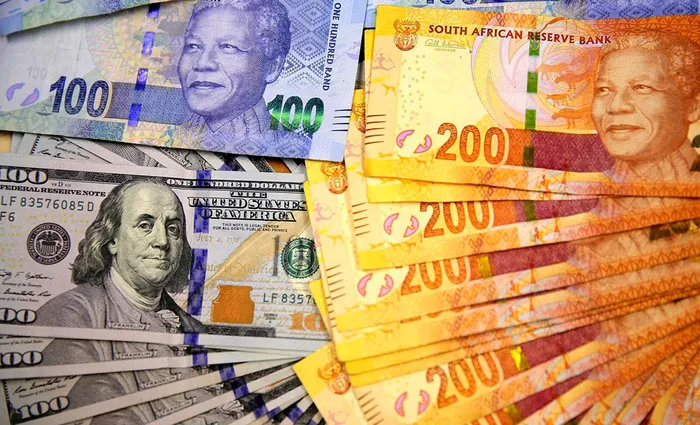
To stay sane, it’s good to listen to the calmer, rational voices in the room, and you don’t get much more calm and rational than an investment analyst, says writer.
Image: File
In last week’s column on new-year resolutions, I ended by quoting historian Yuval Noah Harari, who warned against panicking on the basis of bad news and the outbursts of prophets of doom. But I must confess that, after learning of US President Donald Trump’s deranged ambitions for Greenland, I couldn’t help but feel panic. Is this what rational, decent people felt in the 1930s when the irrationality of a handful of megalomaniacs overturned the world order? And they had been through it two decades earlier!
One myopic commentator remarked that if the US invaded Greenland, it would be the shortest war in history. Anyone who has ever taken their country to war has had that same insane idea. Wars rarely go according to plan. If the NATO alliance crumbles, who knows how badly this could end?
To stay sane, it’s good to listen to the calmer, rational voices in the room, and you don’t get much more calm and rational than an investment analyst. So here are a few views and comments on what to expect in 2026 from the professionals who manage our money.
Nolan Wapenaar and Peter Armitage, chief investment officers at Anchor Capital acknowledge that the global investment landscape remains defined by “elevated uncertainty and rapid change”. However, they note that, over the past 12 months anyway, geopolitical instability has not translated into market instability. In fact, financial markets “have handsomely rewarded investors both locally and abroad”.
“There are always reasons to be concerned and reasons to delay investments, yet time and time again we have seen that being invested and remaining invested has reaped far greater rewards than trying to time the market. Our view remains that one needs an investment plan and strategy, followed by patience to allow this strategy to work its course,” Wapenaar and Armitage say.
They expect the momentum propelling global markets to continue. “Although prices (of US stocks in particular) are high and volatility is likely to remain elevated, it is our assessment that growth in earnings will remain robust. We expect the US interest rate-cutting cycle to continue, which will provide further impetus to investors’ risk appetite,” Wapenaar and Armitage say.
“Risk assets (equities) continue to perform strongly, supported by robust corporate earnings growth, fuelled in large part by AI-related investment spending. Domestically, commodity prices remain elevated, contributing further to positive market momentum. Against this backdrop, we still favour risk assets, as the strong earnings and price momentum look set to continue,” the Anchor analysts say.
Regarding the US equity market, some analysts are not convinced about momentum driving it forward in 2026. Clyde Rossouw, head of quality at Ninety One, says the market has rewarded momentum and the mega-cap tech stocks until now. But momentum might falter if investors start viewing these stocks as risky. “If investors turn their attention to the rising concentration and valuation risks present in the market and the AI theme becomes less dominant, we expect the resilient quality attributes of select stocks to come back into favour,” Rossouw says.
“True defence is not found in chasing momentum but in identifying companies with resilient cash flows, strong balance sheets and the ability to compound through different economic and market environments,” he says. In other words, Rossouw says 2026 is likely to favour investors who pick their stocks carefully.
Johanna Kyrklund, group chief investment officer at Schroders Capital, and Nils Rode, chief investment officer at the firm, say debt, AI, geopolitics and central bank independence shaped the investment conversation in 2025, and while the variables may shift, the uncertainty isn’t going anywhere. The consensus from Schroders’ leadership is clear: “Stay invested, but be selective. Manage exposure to mega-cap tech actively. Prioritise resilience, diversification, and real sources of yield. Look beyond the US because opportunity is broader than the headlines suggest.”
Morningstar’s global chief research and investment officer, Dan Kemp, also emphasises the importance of staying invested, saying it is up to financial advisers to prepare their clients for market shocks. “When clients expect turbulence, they’re less likely to be shocked by it. When they understand the forces shaping markets, they’re less likely to abandon a well-built plan. And when portfolios are constructed for robustness, investors are better equipped to stay invested and seize opportunity. The year ahead will be noisy. But advisers who anchor clients will give them the best possible chance of reaching their goals,” he says.
For offshore investors, Kemp says one of the trickiest dynamics heading into 2026 will be the behaviour of the US dollar. “After years of dominance, 2025 delivered an uncomfortable reversal. But a weaker dollar doesn’t automatically signal a collapse in reserve-currency status. The more grounded interpretation is that the dollar is cheaper than it was, but it’s still overvalued.”
Finally, a word from Bradd Bendall, BetterBond’s national head of sales, who says South Africa’s stronger economy is boosting the local residential property market. “After two years of pressure on household budgets and borrowing power, South Africa’s homeowners may finally be seeing a turning point. What makes this recovery different is that it is being felt where it matters most: in household finances. Lower interest rates are now working alongside rising employment, moderating inflation, and improving access to credit to strengthen affordability and restore confidence among both consumers and investors,” Bendall says.
* Hesse is the former editor of Personal Finance.
PERSONAL FINANCE