

Financial decisions often feel overwhelming, leading us to delay important planning. Liberty's Planifest 2026 offered practical insights on turning financial intentions into reality, starting right where you are.
Image: Dieketseng Maleke/ Independent Media
This week I attended Liberty’s Planifest 2026: From Vision to Action. The event was not only insightful but also practical, reminding us that financial planning is about more than numbers — it is about purpose, and about the life we are trying to build.
What resonated with me was the idea that it all begins with intention. But intention on its own is not enough. It must be translated into actionable steps: you need to see it, plan it, and ultimately live it. The organisers encouraged us to leave with a plan for how to approach our finances and the year ahead holistically, setting goals that matter and can be measured.
From my own perspective, I realised how often we delay financial decisions because they feel overwhelming. Sitting in that room, I thought about my own tendency to focus on immediate needs, school fees, groceries, and debt repayments, while pushing long-term planning aside. The session reminded me that financial planning is not about waiting for the “right time.” It is about starting where you are, even if the steps feel small.
The advisors, including Amanda Dusse, reinforced that planning is not only about saving or paying off debt. It is also about risk management, retirement readiness, and preparing for the future. One point that struck me was the reminder that while it may not feel urgent now, ageing is inevitable. Planning for retirement is not optional; it is essential.
A key lesson was that investments rest on two pillars: the goal and the time horizon. Both must be clear. A goal without a timeline is wishful thinking, and a timeline without a goal is directionless. For me, this meant rethinking how I set financial targets. It is not enough to say “I want to save for my child’s education.” I need to define the amount, the time frame, and the steps to get there.
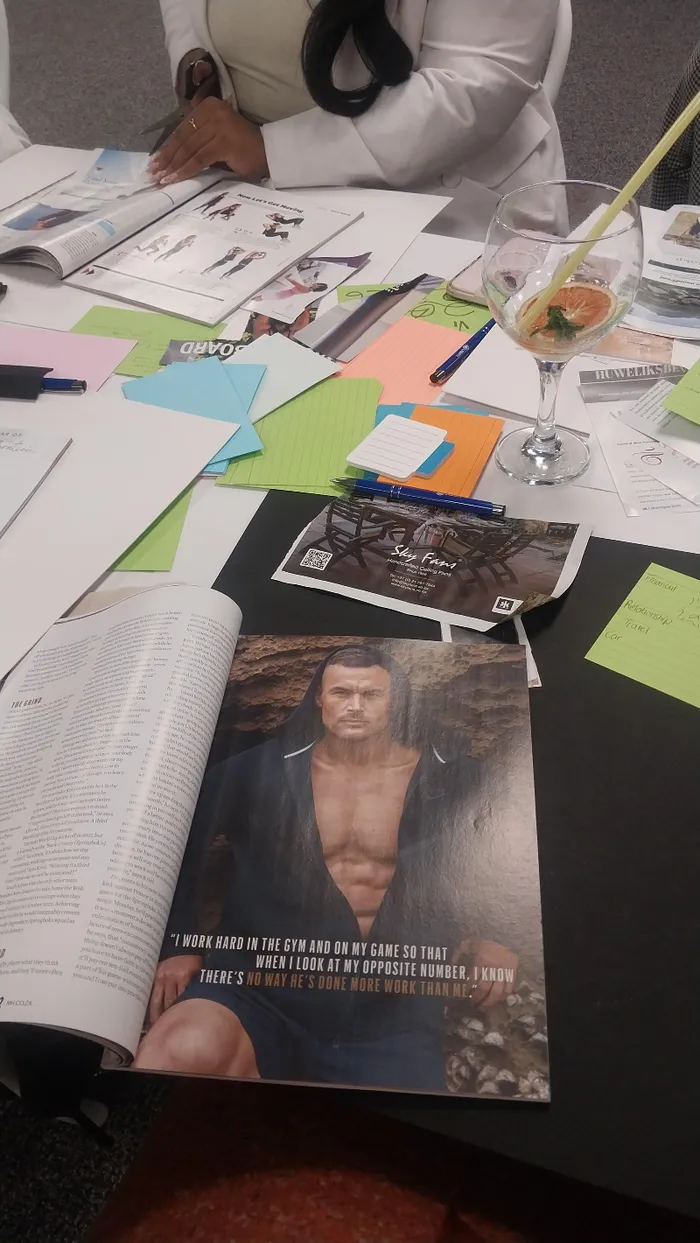
We also worked on vision boards, which at first felt like a simple exercise, but proved powerful. Seeing my goals visually laid out made them feel more tangible. It reminded me that financial planning is not abstract; it is about clarity and action.
Walking away, my biggest takeaway was that financial planning is less about perfection and more about progress. It requires honesty, discipline, and a willingness to confront uncomfortable truths. For me, Planifest was not just an event; it was a reminder that financial freedom begins with purpose, and that purpose must be backed by action.
* Maleke is the editor of Personal Finance.
PERSONAL FINANCE