

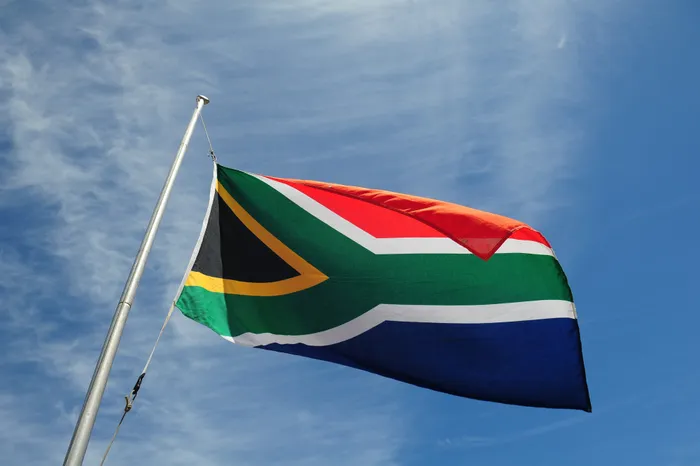
2026 marks the 30th anniversary of South Africa’s Constitution, a testament to the struggles and sacrifices of millions. As we celebrate this milestone, we must confront the ongoing challenges faced by workers and the labour movement in realising their rights. This article explores the significant strides made since 1994 and the hurdles that remain.
Image: Picture: Henk Kruger/Independent Newspapers
2026 marks the 30th anniversary of South Africa’s Constitution. It is a moment to be proud of, to remember the decades of struggles and countless sacrifices of millions, and to appreciate how far we still have to go.
Workers and the labour movement played a leading role in the liberation struggle and the drafting of the Constitution, from the 1973 Durban workers’ strike reviving the trade union movement to the 1987 mineworkers’ strike bringing the economy to a standstill and helping force the apartheid regime to the negotiations table.
Whilst the nation celebrates our Constitution, we must not forget its emphasis on socioeconomic and workers’ rights. The Constitution speaks not only to democracy and transformation in society, but also in the workplace.
Workers have made massive strides since the dark days of apartheid, but too many workers still see their most fundamental rights violated at work.
One of the major challenges inhibiting the full realisation of workers’ constitutional rights are our dire socioeconomic challenges, from 41.1% unemployment to entrenched poverty and inequality.
These are made worse by the economic crises in many states across the region sparking a flood of migration to South Africa. This desperation is exploited by unscrupulous employers knowing such workers will not demand their labour rights out of fear of dismissal.
Today workers’ rights to form trade unions to defend their rights and to collective bargaining are enshrined in the Constitution and the Labour Relations Act.
These play a key role in resolving workers’ grievances and empowering workers to improve their working conditions.
Both are key to boosting economic productivity. The CCMA and Labour Courts have been established to enforce workers’ protections.
Yet many workers are dismissed if they join a trade union. As the nature of work evolves, so too must labour laws and hence temporary work is now limited to three months after which workers are considered permanent.
Cosatu has secured agreement at Nedlac on further legislative amendments recognising such vulnerable workers as uber drivers, actors, artists and musicians as employees so they too can exercise their constitutional rights.
The Basic Conditions of Employment outlines workers’ rights, from minimum to maximum working hours, to paid maternity and parental leave, overtime and public holiday pay. These basic rights were non-existent for millions of Black South Africans before 1994.
As our democracy matures, so has Cosatu been able to enhance these rights from increasing maternity benefits to introducing parental leave for fathers.
These are important gains, but many workers are forced to work more than the legally permitted number of hours or made to work on public holidays without compensation.
In 2019 Cosatu with the support of the African National Congress led government, secured the National Minimum Wage, a key call of the Freedom Charter.
This has boosted 6 million farm, domestic, construction, hospitality, transport, security, cleaning and other vulnerable and often unorganised workers’ wages. It has put money in workers’ pockets thus stimulating economic growth.
However, we have witnessed many employers exploit workers’ desperation and pay them less than the Minimum Wage.
The Unemployment Insurance and Compensation of Occupational Injuries and Diseases Funds provide important protection for workers who’ve lost their jobs or suffered from a workplace injury or disease. Important legislative amendments have been made to extend protections and cover to domestic and other workers, from maternity leave for mothers who’ve experienced a third trimester miscarriage or still born birth to workers’ whose workplace illnesses only appear sometime later, e.g. asbestos poisoning for mineworkers or workers experiencing PTSD.
Tragically many workers struggle to access this relief when in need, are forced to queue for days at Labour Centres or find out that their employers pickpocketed their payments.
The Occupational Health and Safety Acts, plus its counterpart for the mining industry, have compelled employers to ensure the safety of their staff at work.
In the mining industry we have seen a dramatic fall in workplace deaths from one a day before 1994 to less than one a week today. This is still too high, but important progress and the result of workers’ relentless struggles in the mining industry and other sectors. But we cannot rest when a police officer is killed every ten days.
Pre-1994, Black workers were confined to menial low paid jobs. Today employers are required to invest in the skills and career paths of their employees and to report on progress towards ensuring their workplaces reflect South Africa’s diversity.
This has seen the creation of a non-racial public service whilst the private sector lags with over 60% of senior managers being White and mostly men and where women are often paid less than their male counterparts for the same work.
Government has ratified the International Labour Organisation’s Convention 190 on eliminating violence and harassment at the workplace. Much remains to be done to make this a reality for women workers, where few have not experienced such violations.
In 2025 the Financial Sector Conduct Authority found that more than 15 000 employers defaulted and often looted workers’ pension funds, denying workers interest they should have accrued and condemning them to retire in poverty. Such theft needs to be treated by law enforcement as the crimes they are.
South Africa must be proud of our progressive labour laws and the strides workers have made since 1994. But for far too many workers, especially the vulnerable, these remain a mirage.
We are pleased that Cosatu has been able to secure agreement with government to increase the number of labour inspectors from 2 300 with 10 000 permanent and 20 000 contract labour inspectors. This will be a massive boost to tackling employers who abuse workers and send a clear message that complying with our labour laws is non-negotiable.
We must do more to ensure that all workers are treated with the dignity they are afforded under the Constitution. If the economy is to reach its full potential, then employers must recognise that their greatest asset is their employees.
Zingiswa Losi is the president of Cosatu.
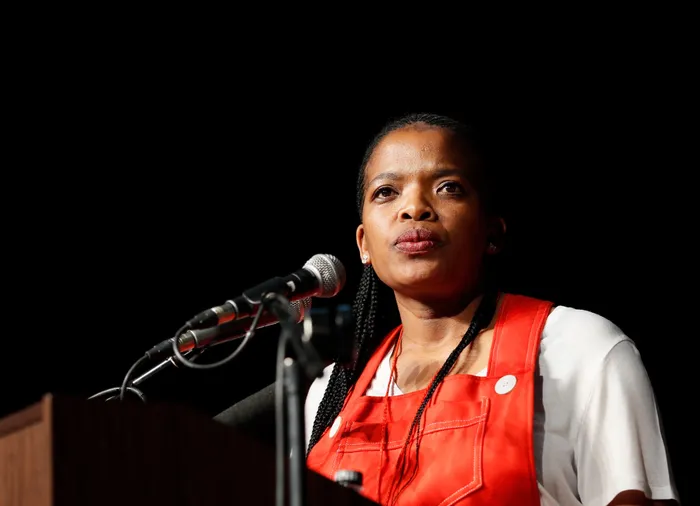
Zingiswa Losi is the president of Cosatu.
Image: Independent Newspapers
Follow Business Report on Facebook, X and on LinkedIn for the latest Business and tech news.