


Improvements in telematics and analytics now allow customers to analyse performance across their entire fleet, says the author.
Image: AI LAB
The global logistics industry, from forklift fleets to transport refrigeration units, treats electrification as a sustainability project, but that mistake is costing it money, resilience, and competitive advantage. This is particularly important in markets like South Africa, where energy volatility and cost pressure are already baked into operations. Emissions reduction is important, but when electrification is framed primarily as an ESG exercise, its operational and commercial value is consistently underestimated. The real shift is not from diesel to batteries, but from blind energy consumption to intelligent, data-driven energy management.
In reality, modern Lithium-Ion (li-ion) systems deliver far more than an affirming ESG line. They improve uptime, charging is cheaper than running diesel, vehicles are quieter and, crucially, built-in telematics deliver data that can transform how operations are managed across the business.
Deep-Dive Data
Improvements in telematics and analytics now allow customers to analyse performance across their entire fleet. This makes it possible to deploy battery-powered units more effectively and better understand the clear uptime advantages of li-ion, compared to diesel. That same data also reveals whether investment in faster charging infrastructure could deliver other benefits, like significant increases in uptime and overall performance.
More data helps operators understand how their energy systems interact with their operations ecosystem – and how their fleet can operate more efficiently, as a whole. This can mean looking at whether their TRU and material handling batteries should be charged at different times, which should be charged faster or slower (both to help avoid energy peaking), whether they need as many batteries as they have, or if having more, lower-capacity batteries rather than fewer, higher-capacity batteries would positively influence uptime.
The impact of this data extends beyond batteries into fleet management itself. In some cases, having an additional charged battery available can reduce downtime enough to allow fleets to be downsized or vehicles to be deployed more efficiently. In practice, this means energy decisions can be made strategically rather than reactively — based on real usage patterns, operational priorities, and cost impact.
More data helps deliver better after-sales service, as qualitative telematics pick up impending issues before the customer does, allowing technicians to be dispatched with a clear understanding of the issue and attempt to resolve it before it causes downtime.
Battery Systems are a Long-Term ROI Resource
A li-ion battery system looks ‘expensive’ up-front, but our data shows that 100% return on investment (ROI) is possible in between one-and-a-half and four years. In the real world, we have batteries which were installed in forklifts in 2018, which are still running with no measurable degradation after eight years of heavy use. In some instances, those original batteries have been fitted to new forklifts, having outlived the vehicles they powered.
Assessments show that these systems appear capable of operating effectively for at least 15 years for at least 15 years before they start showing any signs of a decline in capacity – in which instance they can be redeployed for other long-term purposes, not simply discarded or written off.
Electrification Ticks Regulatory & Common Sense Boxes
The logistics industry operates on tight margins, which makes efficiency, cost control and operational flexibility non-negotiable. There’s also rising regulatory pressure, with regulations coming in for traditionally unregulated emissions (especially TRUs). Noise pollution concerns are rising, global retailers and cold-chain leaders are demanding cleaner operations from suppliers and energy reliability and diesel price volatility are pushing South African fleet operators to rethink resilience.
Electrification is increasingly central to how operators are managing these pressures, particularly since one of the largest variables in the logistics cost base comes from the fluctuating price of diesel. With electricity prices in South Africa not shifting month-to-month, electrification gives businesses more accurate forecasting opportunities, which comes with myriad benefits.
Global Leadership opportunity for SA
The operators who will lead the next decade of logistics will not be those who simply replace diesel with batteries. They will be the ones who rethink how energy is generated, stored, deployed and optimised across their operations. South Africa has an opportunity to be the global heart of knowledge and production for this revolution – and it’s an opportunity we cannot afford to miss. Electrification is the entry point - intelligence is the advantage
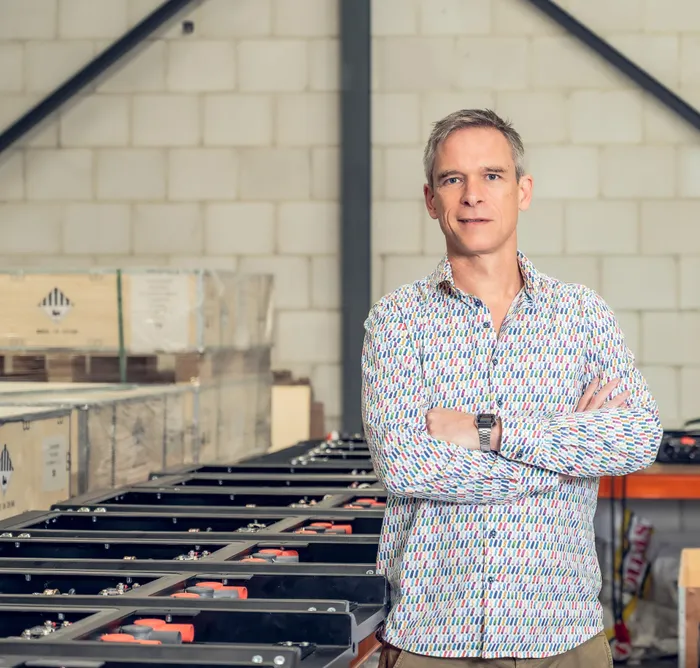
Clint Bemont, CEO & Founder: maxwell+spark.
Image: Supplied
Clint Bemont, CEO & Founder: maxwell+spark
*** The views expressed here do not necessarily represent those of Independent Media or IOL.
BUSINESS REPORT