Johannesburg's lessons: Governance and active citizenship for a better future
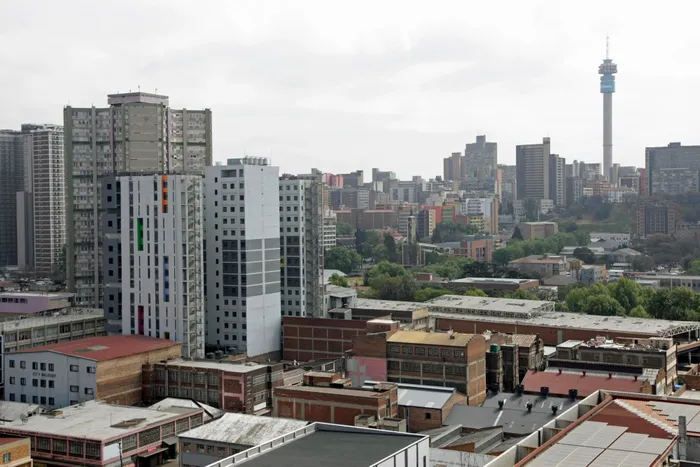
Johannesburg is not a small player. It produces nearly 16% of South Africa’s GDP and almost 40% of Gauteng’s economic output.
Image: Timothy Bernard/Independent Newspapers
Johannesburg was imagined into existence long before it was governed. It was built on ambition, risk, and extraction, and it has been reinventing itself ever since. The G20 briefly returned the city to the global spotlight, presenting it as Africa’s gateway to the world. But once the convoys left and the banners came down, residents were left with the same question they face every day: does this city work for the people who live there? Global attention is fleeting; lived experience is not.
Johannesburg is not a small player. It produces nearly 16% of South Africa’s GDP and almost 40% of Gauteng’s economic output. This is where capital is raised, deals are made, and futures are shaped. Yet for many residents, that economic weight feels theoretical. About a third of the city’s population is unemployed. Youth unemployment is even higher. Approximately 30-40% of households live below the poverty line, depending on the measure used. For too many, Johannesburg is a place of survival rather than progress.
This is not because the city lacks money or talent. It is because performance has not matched promise.
You see it in the basics. Water systems that fail without warning. Electricity networks undermined by theft and neglect. Traffic lights that stay broken for months at major intersections. Clinics that are overwhelmed. Crime that shapes where people live, how they move, and whether they invest. These are not headline-grabbing disasters. They are slow, grinding failures — and they are eroding trust.
The Auditor-General has been very critical in their findings: weak controls, irregular expenditure, limited oversight, and a lack of consequence management for failure. Year after year, the same findings repeat themselves. In Johannesburg, dysfunction has become familiar, and familiarity has become dangerous.
If the city is to change, leadership has to change first. Meritocracy cannot remain a talking point. Johannesburg has suffered from constant political churn, with mayors and senior officials coming and going, while systems weaken and accountability thins. Cities do not need perfect leaders. They need competent ones who stay long enough to be judged on results. Leaders with a record of delivery should be kept. Those without a good record should not be retained.
But leadership alone will not save Johannesburg. This city also needs citizens who are done with resignation and ready to keep playing their part. Active citizenship is not just about hashtags or outrage cycles. It is about insisting on standards — in neighbourhoods, in schools, in procurement processes and in public life. India’s anti-corruption movement — echoed years later in Slovakia — showed that when citizens organise around accountability, behaviour changes. Pressure works when it is sustained.
Business cannot stand on the sidelines either. When procurement is captured, service delivery collapses. When companies extract value without reinvesting locally, cities decay. Investment is a vote of confidence. When capital stops flowing, it is because trust has already left the room.
There must also be consequences. A city that does not punish wrongdoing teaches people that rules are optional. Quiet redeployments are not accountability. They are invitations to repeat failure. Deterrence matters — not for revenge, but to protect and rebuild public trust.
At a deeper level, Johannesburg’s problem is also political. Too often, parties are shaped by money and factional interests rather than public purpose. Politics becomes a tool to settle scores, not to solve problems. The idea of being unbought and unsold should not be moral poetry; it should be institutional practice. If politics continues to serve narrow interests, cities will continue to fail.
And then there is the youth. Johannesburg’s young people are told they are the future, yet they are locked out of the present. The fifth industrial revolution will not wait for us to fix governance. Skills, innovation, local manufacturing and beneficiation are not optional extras. Without them, we are training a generation for disappointment.
This cannot be left to the government alone. It starts with the rest of us.
Meritocracy begins in our own choices — who we hire, who we support, who we excuse. Active citizenship starts small: turning braai conversations into action; building on the collective discipline and trust of stokvels, pooling resources for shared progress; buying from a local business instead of defaulting to convenience; mentoring someone who needs a foothold; showing up when something is wrong, even when it is uncomfortable. Speaking truth to power without theatrics. Keeping our streets clean and refusing to normalise decay.
Johannesburg will not be saved by speeches, summits or slogans. It will be saved — or lost — in ordinary decisions made every day by leaders, businesses and citizens alike.
The art of the possible is not just about dreaming bigger. It is about refusing incompetence, not tolerating theft, and rejecting indifference to everyday failure — the broken streetlight, the pothole left unrepaired for months or even years, the leaking municipal pipe, the missed public deadline that quietly becomes normal and accepted.
While there are challenges, we can celebrate Johannesburg’s resilience and ingenuity. The city remains South Africa’s economic powerhouse, home to businesses that drive innovation, investment, and jobs across the continent.
Johannesburg has been imagined many times before — as a city that works, that is safe, and that offers opportunity. What it needs now is not a new vision to announce, but the courage to implement what already exists — and the discipline to stay the course. And that standard should apply to every city and municipality in the country, where partnership replaces blame, and shared effort turns possibility into progress.
Dr Ntokozo Mahlangu serves on the Strategic Advisory Board of the Da Vinci Institute, and Mr Liata Monatisa is an Art for Living Teacher and a director of the Madisebo Foundation. They write in their personal capacities.
*** The views expressed here do not necessarily represent those of Independent Media or IOL.
BUSINESS REPORT