

Cape Town’s coastal cocktail: Drugs, pesticides and heavy metals found in False Bay.
Image: Gemini
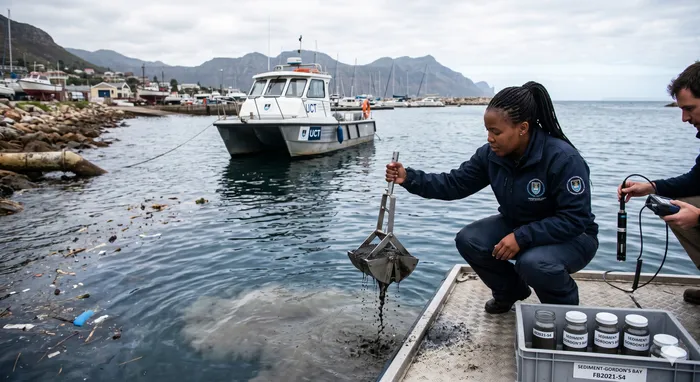
A new study has found that False Bay is quietly accumulating a mix of human pharmaceuticals, agricultural herbicides and heavy metals, effectively turning its seabed into a long-term store of Cape Town’s urban chemical footprint, Weekend Argus reported.
The research, led by scientists from the University of Cape Town (UCT) and published in Marine Pollution Bulletin, analysed 19 sampling sites across the bay. It identified a wide range of contaminants linked to everyday urban activity, including wastewater discharge, harbour operations and ongoing coastal development.
Among the substances detected were herbicides such as atrazine and metolachlor, as well as common pharmaceutical compounds including acetaminophen, carbamazepine and the anti-inflammatory drug diclofenac.
Researchers found that concentrations of many of these chemicals were significantly higher in sediment than in surrounding seawater, suggesting the seabed acts as a long-term sink for pollutants. Study lead author and UCT postdoctoral fellow Dr Buyani Mazeka said the sediment effectively functions like a “sponge”, trapping contaminants over time.
The pollution was not evenly distributed across the bay. Higher levels of contaminants in seawater, alongside elevated concentrations of copper, iron, manganese, lead and zinc, were recorded in the northeastern sector near Gordon’s Bay. Researchers linked this to maritime activity, including vessel maintenance.
The highest sediment concentrations were recorded along the urbanised northeastern coastline and in the Muizenberg area, where wastewater and stormwater runoff are significant contributors.
Despite the presence of widespread chemical contamination, the study found no immediate signs of major ecological harm. Environmental risk assessments indicated pollutant levels remained below internationally recognised thresholds for acute ecological damage.
The bay’s benthic ecosystems — including microscopic nematodes and bottom-dwelling organisms — were found to remain diverse and in relatively good condition, with no notable decline in abundance or overall ecosystem health.
However, researchers cautioned against interpreting the findings as harmless. Dr Mazeka warned that the absence of visible ecological collapse does not mean the pollutants are safe, noting that continuous input of pharmaceuticals such as diclofenac through wastewater systems presents a long-term risk through bioaccumulation.
Previous studies in the region have shown that marine organisms, including mussels, limpets, sea snails, sea urchins and starfish, are already absorbing pharmaceutical residues. Scientists say this raises concerns that contaminants could gradually move up the marine food chain over time, creating complex and uncertain ecological effects.
As the first field-based baseline study of its kind in Africa, the research highlights a key vulnerability in one of South Africa’s most important coastal ecosystems. With False Bay supporting fisheries, biodiversity and tourism, researchers have called for ongoing monitoring and improved wastewater screening to better manage its growing chemical burden.
Weekend Argus