

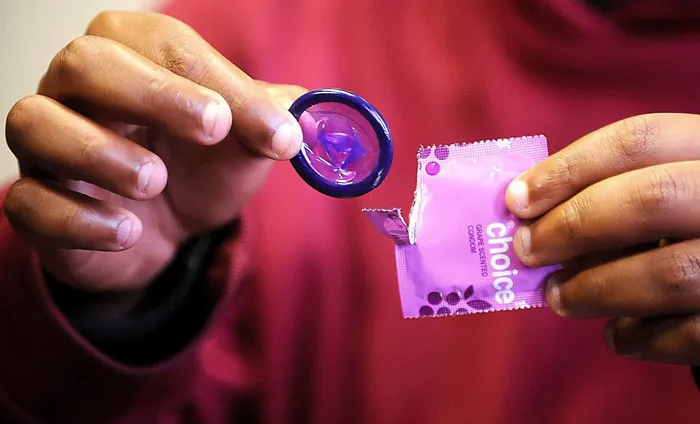
Condoms are an important component of a comprehensive and long-term approach to HIV and other sexually transmitted infections (STIs) prevention, and they help avoid unplanned pregnancies. Picture: ANA Pics
Image: ANA Pics
Although sex positivity is celebrated across our digital feeds, the reality of navigating the family planning aisle remains an outdated ordeal. It is remarkable that in 2026, a woman’s decision to manage her sexual health with responsibility is often treated as a spectacle or a social taboo.
However, each time we choose to overlook that judgmental quiet, placing what we need in our carts with confidence, we do more than just prepare for the weekend; we are reclaiming the narrative on who holds the rights to their own safety and pleasure.
The double standard is as loud as it is invisible. If a man walks up to the counter with a pack of condoms, he’s viewed as prepared, responsible, or at the very least, just a guy having a normal weekend.
But when a woman does it? The air shifts. The cashier suddenly forgets how to scan a barcode, the person behind you in line gets a sudden, intense interest in the divider bar, and you are left holding a receipt that feels less like a proof of purchase and more like a public confession.
According to 24-year-old Sinovuyo Langa: "The exhaustion from this double standard is real. When a man purchases them, he is deemed 'responsible,' yet a woman doing the same faces immediate assumptions about her character. This is basic healthcare, not a failure of morals."
Furthermore, Langa emphasised that the act of purchasing protection should not resemble a clandestine mission. She argued that if the burden of preventing STIs and pregnancy is placed upon women, then the public scrutiny they face when acquiring the necessary tools must end.
Patrick Sando, a 29-year-old, expressed his discomfort with women who carry their own protection, noting that seeing a stash of condoms in a woman's purse or nightstand "throws me off."
He explained that such preparedness leads him to speculate about her sexual history and frequency, ultimately suggesting that it "takes the romance out of it."
Jacob Masango, a 27-year-old, remarked: "It might be old-fashioned, but I find it unsettling when a woman is already prepared with protection. It feels overly premeditated, as if the entire encounter was mapped out. I prefer to be the one taking charge of that aspect."
Bongani Ziwe, a 29-year-old, expressed a sense of personal affront regarding female preparedness, stating that if a woman were to produce a condom she had purchased, he would feel insulted.
He questioned whether such an act implied a lack of trust or responsibility on his part, noting, "It feels like a hit to my manhood".
This reaction underscores a broader social resistance to women taking an active, premeditated role in their sexual safety, often interpreting such responsibility as a challenge to masculine authority.
Ensuring sexual health is a shared duty, not one relegated to a single gender; consequently, the pursuit of safety deserves respect rather than scrutiny.
These judgmental reactions function as a subtle form of social regulation, rooted in the premise that individuals should experience shame for their preparedness.
To normalise these choices, we must reject the urge to blush or conceal products beneath our groceries. Asserting ourselves at the checkout counter is more than a simple transaction; it is a significant, if small, gesture of resistance.
Shame thrives in silence. The moment we start talking openly about sexual health—and laughing at the awkwardness of the pharmacy aisle—is the moment the stigma loses its power.
IOL NEWS