

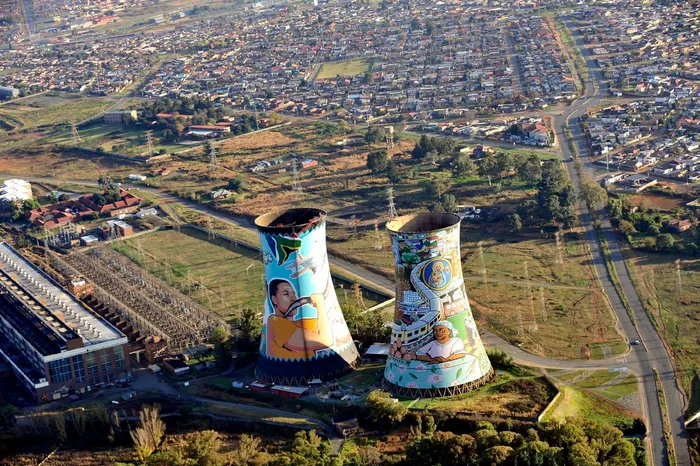
An aerial view of Soweto, including its iconic Orlando towers.
Image: Bongiwe Mchunu
Soweto-born businesses are making their mark globally, competing with multi-billion-dollar giants in Silicon Valley and Asia through technology development, fashion, and media, while providing solutions to South Africa.
Fifty years since the 1976 Soweto uprising, various businesses and brands have emerged, putting Soweto again on the world map.
Khoi Tech, a technology company that specialises in smart wearable devices and innovative software, Soweto TV and Soweto Fashion Week are some of the successful enterprises born in Soweto.
Soweto 50 years after the Soweto uprising.
Image: Independent Media
Seati Moloi, founder and chief executive of Khoi Tech, said his company is building technology to solve real problems facing many communities.
He said the youth of 1976 fought for the right to control their future through education and political freedom, but today, the battle has evolved into technological freedom. However, his company demonstrates that innovation can emerge from the township and compete globally.
“We want young Africans to understand that the township is not disconnected from the future. The township can become a centre of innovation, digital manufacturing, software engineering, and technological leadership,” Moloi stated.
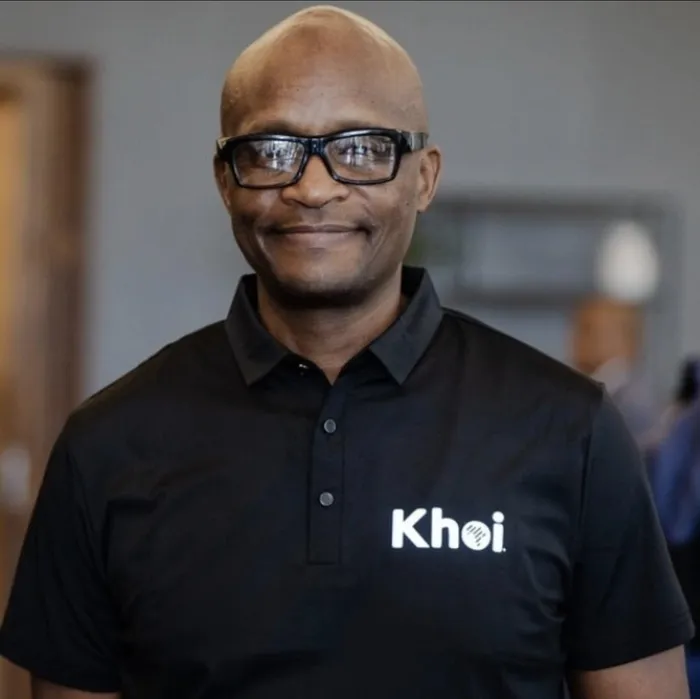
Seati Moloi, founder and chief executive of Khoi Tech.
Image: Supplied
He added that the future of African technology should not be imported entirely from outside the continent; it should also be designed, engineered, and owned by Africans, a bridge Khoi Tech is building.
Khoi Tech owns 100% of its intellectual property, and Moloi describes it as one of the most important parts of true economic freedom.
“At Khoi Tech, we believe African businesses must move beyond consumption into ownership and creation. When you own the intellectual property, you own the future value of the technology. You control the innovation roadmap, the data, the manufacturing opportunities, the licensing potential, and the long-term economic impact,” he explained.
Moloi, who is from Soweto’s Orlando East, said the goal is to inspire young Africans to become creators of technology ecosystems rather than simply users of technology.
“This is directly linked to digital sovereignty. Africa’s future competitiveness depends on owning its software, hardware, data centers, AI solutions, and digital infrastructure. Khoi Tech’s approach demonstrates that innovation can come from the township and still compete globally,” he stated.
Moloi believes that Soweto can become a globally recognised technology and innovation hub.
“What is needed now is intentional investment into technology ecosystems. The single most important thing we need today is infrastructure for innovation, not only physical infrastructure, but investment capital, research support, manufacturing capacity, digital education, startup incubation, and access to markets,” he said.
He added that African innovators often have world-class ideas but lack access to the same funding and industrial support systems available in global technology centres.
“If government, private sector institutions, and investors collaborate to support township innovation ecosystems, we could see the rise of globally competitive African technology companies emerging directly from communities like Soweto,” Moloi said.
He added that being based in Soweto gives Khoi Tech a unique innovator’s edge because ‘we’ build technology from lived experience, not from theory.
Moloi added that, like many townships, Soweto still faces real infrastructure challenges, including limited healthcare facilities, schools, and essential services in proportion to its population; that reality shapes how ‘we’ innovate.
“We are not building technology for convenience only; we are building technology to solve real problems. For example, our Khoi Afriwatch smartwatch and Khoi Health Tech solutions were developed with the understanding that many people live with chronic conditions and need affordable, accessible tools to monitor their health and wellbeing, especially where healthcare access is limited,” he said.
On his company’s partnership with Chris Baragwanath Hospital, he said, they are using wearable devices that integrate with a custom-built backend software platform to remotely monitor lung-cancer patients, allowing healthcare professionals to access important health data in real time.
Moloi was part of a generation categorised under affirmative action in computer science.
He stated that opportunity alone is not enough; the real challenge is in building sustainable ecosystems that allow future generations to thrive.
“Khoi Tech is intentionally creating pathways for young African talent through mentorship, skills development, exposure to emerging technologies, and participation in real innovation projects,” he said.

Dr Mandla Ncinitwa, leader of Soweto TV.
Image: Supplied
Dr Mandla Ncinitwa, leader of Soweto TV, said the television station stands as a testament to the 1976 legacy by embodying the spirit of agency and empowerment that the students sought.
Ncinitiwa added that Soweto TV continues to honour the 1976 legacy by creating a cohesive space for youth expression, ensuring that voices of young people are unified, relevant, and impactful, continuing the fight for recognition and understanding.
He said they leverage Soweto’s global brand recognition to benefit local creators and entrepreneurs by promoting their work and connecting them with a broader audience. This, through features on local businesses, artists, and initiatives that contribute positively to ‘our’ community, encourages economic empowerment and cultural exchange.
“Our programming has evolved into a vibrant celebration of culture, talent, and innovation. We now highlight stories of resilience and achievement, showcasing individuals and organisations that embody excellence in Soweto, from artists and entrepreneurs to educators, pioneers and activists,” he said.
Ncinitwa stated that Soweto TV’s content showcases individuals making significant contributions both locally and globally, reshaping perceptions of Soweto.
“Owning our media platforms remains vital for Soweto to ensure authentic storytelling and control over our narratives. Soweto TV serves as a beacon of representation, empowering us to define our own narratives and share our triumphs with the world. The ownership would foster a sense of pride and identity within our community,” he said.
Ncinitwa remarked that if the 1976 students were to walk into the Soweto TV studio today, they would see a vibrant space filled with creativity, innovation, and hope as evidence that their sacrifices were not in vain.
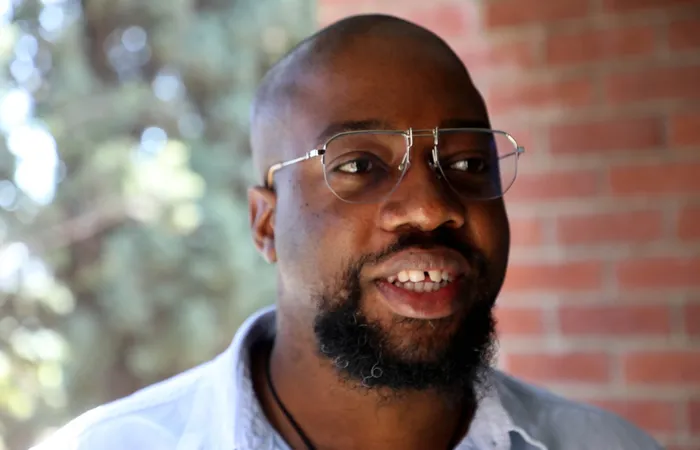
Founder and CEO of Soweto Fashion Week Stephen Manzini Stephen Manzini, founder and CEO of Soweto Fashion Week.
Image: TIMOTHY BERNARD
Stephen Manzini, founder and director of Soweto Fashion Week and President of the South African Fashion Association (SAFA), said the youth of 1976 fought for the right to be seen, heard, and respected, while fashion continues that same language of identity, pride, and resistance.
“Soweto Fashion Week runways represent fearless self-expression, cultural confidence, and ownership of narrative. Many of our designers draw inspiration from township life, African heritage, and contemporary youth culture while boldly presenting it on premium platforms. In many ways, the courage of 1976 lives on through creative freedom and unapologetic African excellence,” Manzini said.
He added that a single Soweto Fashion Week season supports a wide network of creatives and Small, Medium, and Micro Enterprises (SMMEs), including designers, models, makeup artists, stylists, photographers, caterers, stage crews, security, media practitioners, textile workers, and exhibition traders.
Manzini stated that Soweto Fashion Week operates as a marketing and advertising platform that creates visibility, business access, and international exchange opportunities for local designers.
“Our responsibility is to ensure that Soweto is not only referenced aesthetically, but also economically included. From the bucket hats to Isikhothane culture, Isbujwa artistry and many other forms of expression, Soweto has consistently led the way in shaping South African global cultural expression,” he stated.
Through our relationships with BRICS fashion institutions and international fashion weeks, we are creating export pathways, collaborations, and direct global exposure for township designers. The goal is for the creator to benefit not only from the trend. We have also created a fragrance brand called Scents of Soweto, he said.
He highlighted that fashion cannot survive on runway visibility alone, and they continuously encourage designers to think beyond fashion shows into production, manufacturing, retail, and long-term brand building.
“We want designers to transition from survival entrepreneurship into sustainable businesses that can employ people, produce consistently, and eventually enter retail and export markets,” Manzini said.