

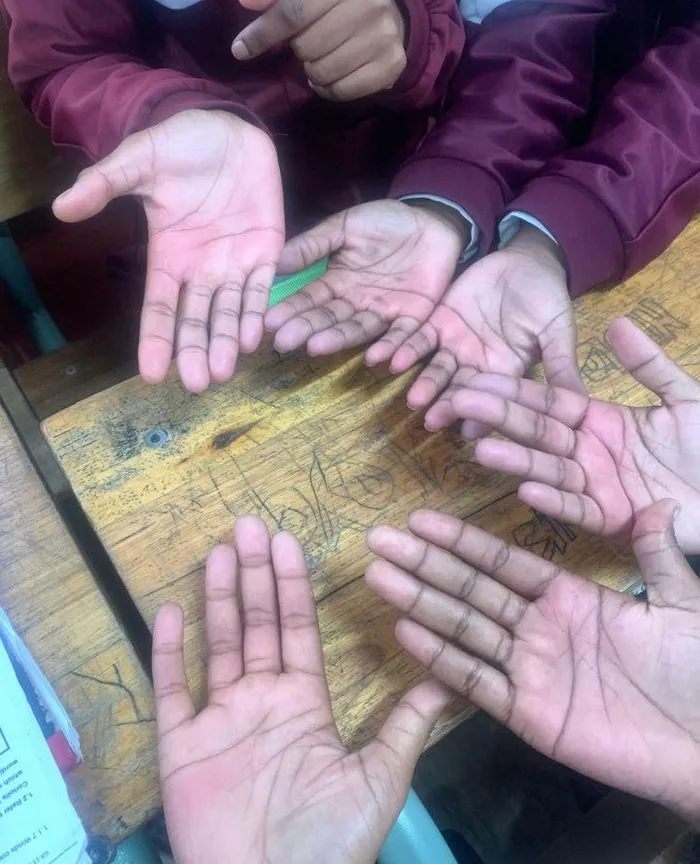
Learners from Luhlaza Secondary School in Khayelitsha allege these injuries were sustained after being struck by teachers.
Image: Supplied
Learners at two Western Cape high schools have turned to social media to plead for help, alleging that teachers are beating pupils with rulers, belts, and pipes as a form of discipline despite corporal punishment having been banned in South African schools for nearly 30 years.
The allegations emerged in posts shared by learners from Luhlaza Secondary School in Khayelitsha and New Eisleben High School in Crossroads, where pupils claimed they had been physically punished by educators, leaving some with bruises, red palms, and swollen hands.
In one post, learners from New Eisleben High School wrote: "We are being hit at school."
The pupils alleged that one learner was struck so hard that their hands began bleeding, while others were left with painful injuries after being beaten.
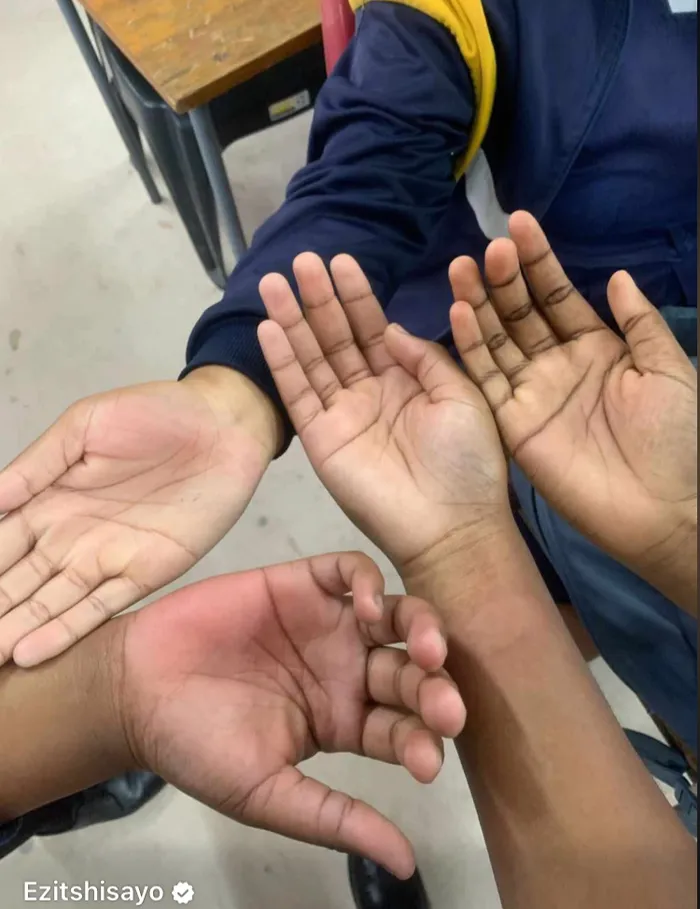
Learners at New Eisleben High School allege their hands were left red and swollen after being struck by teachers as a form of discipline.
Image: Supplied
A former learner of the school, who spoke on condition of anonymity, said the allegations did not surprise her because corporal punishment was commonplace during her years at the school.
"I started at the school in 2015 as a Grade 8 learner. Ever since I started there, corporal punishment has been the only form of discipline that I ever knew," she said.
"I wouldn't be able to tell you the exact reason why, but sometimes we were hit for not knowing the correct answer or hit for making noise in the classroom."
The former learner said physical punishment was the only disciplinary method she experienced throughout her schooling in under-resourced communities.
"When I think about it now as an adult, it has affected me in my work and personal life because I used to feel scared to ask a question when I didn't know the answer," she said.
At Luhlaza Secondary School, learners made similar allegations.
"We are being hit so badly at school. We are being hit every day, and it doesn't matter what we have done," learners wrote in a separate post.
The post was accompanied by photographs showing bruised arms, red wrists, and palms, which learners claimed were injuries sustained after being struck by teachers.
Other learners commenting on the posts similarly alleged that teachers used rulers and belts to punish pupils, while some claimed learners had also been struck with pipes.
Corporal punishment was outlawed through the South African Schools Act of 1996 and remains prohibited under current legislation, including the Basic Education Laws Amendment Act.
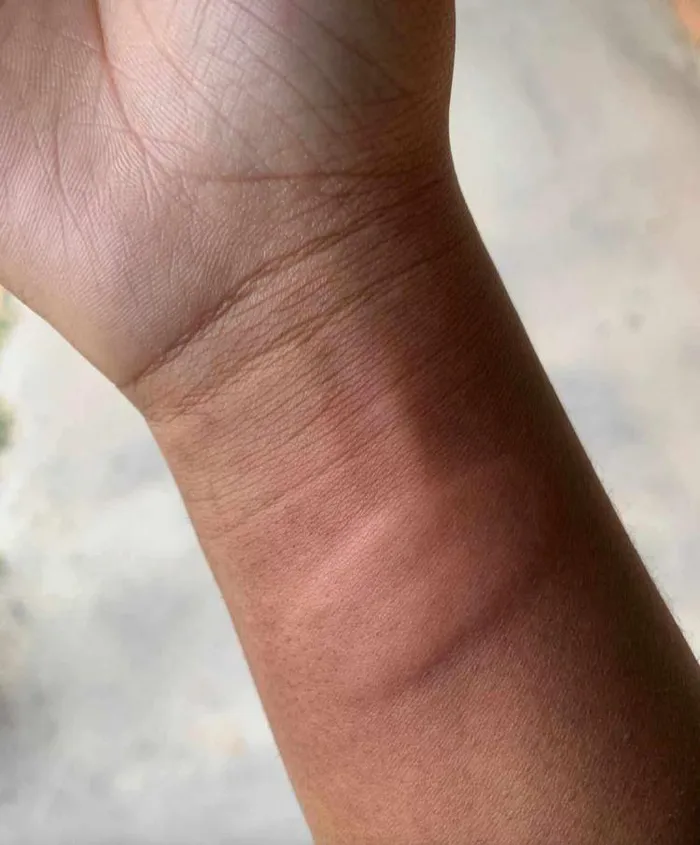
A learner at Luhlaza Secondary School alleges this swollen area on the wrist was caused after being struck by a teacher. The allegations are being investigated by the Western Cape Education Department.
Image: Supplied
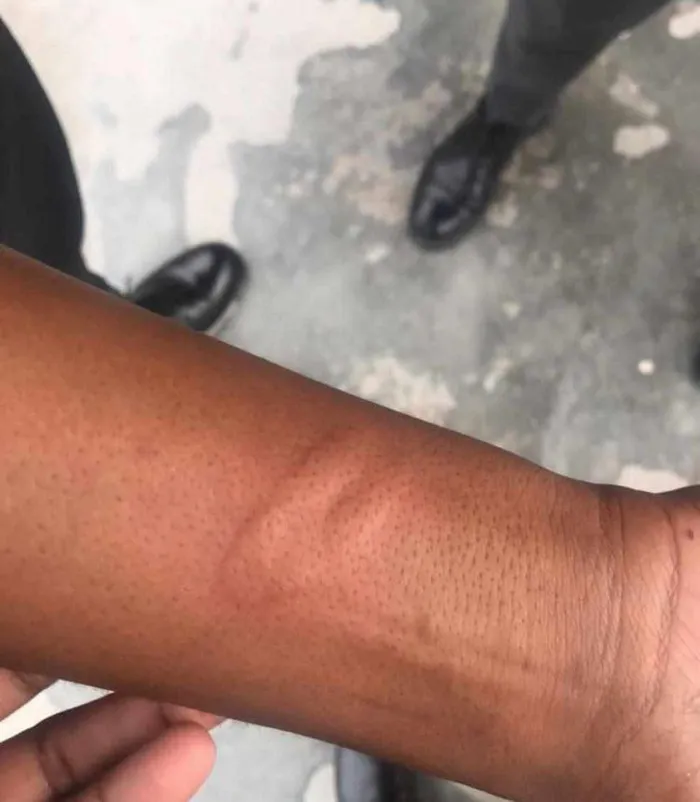
Another learner at Luhlaza Secondary School alleges this swollen area was caused after being struck by a teacher.
Image: Supplied
Equal Education spokesperson Ayanda Sishi-Wigzell said there was no legal basis for the practice in schools.
"Corporal punishment in South Africa is not legal under the Schools Act 1996 and now under the BELA. It is illegal to give corporal punishment to children in schools," Sishi-Wigzell said.
Responding to questions, Western Cape Education Department spokesperson Bronagh Hammond confirmed that district officials would be investigating the allegations.
"We are still waiting for feedback from Metro South regarding the New Eisleben allegation. The district is making enquiries with the school," Hammond said.
She added that a circuit manager would be sent to the schools this week.
Regarding the allegations at Luhlaza Secondary School, Hammond said the matter first came to the attention of school management following a Facebook post.
"The alleged assault had never been reported to the school or the district by the learners concerned, nor their parents. An investigation into the allegations is under way by the school, including the validity of the image concerned.
"The district is engaging with the school also to verify the claims, provide support, and take further action, if required."
Hammond said the WCED maintains a zero-tolerance approach to corporal punishment and all forms of learner abuse.
"The Western Cape Education Department takes all allegations of assault against learners extremely seriously. Corporal punishment is illegal and strictly prohibited in all schools, and the department has a zero-tolerance approach to any form of physical or emotional abuse of learners."
She added that allegations are formally investigated and disciplinary action is taken where appropriate.
According to the WCED's Abuse No More Protocol, corporal punishment is defined as "any deliberate act against a child that inflicts pain or physical discomfort used to punish or contain him or her", including physical force, deprivation of basic needs, or forced physical activity.
District officials are expected to visit the schools this week as investigations into the allegations continue.