

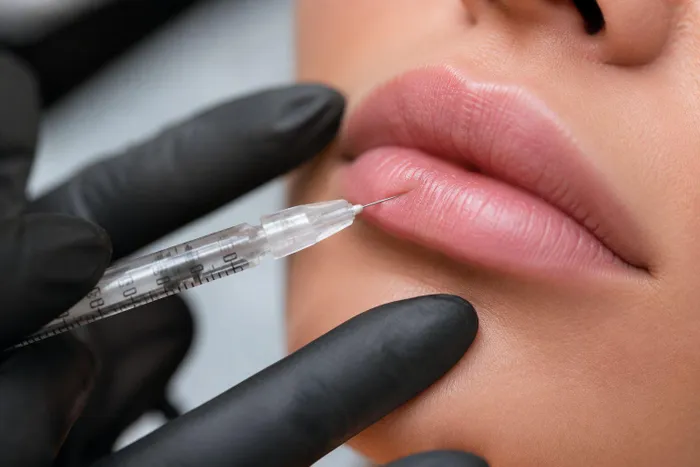
Regulators warn that behind SA’s booming aesthetics industry, a dangerous underground economy is rapidly expanding.
Image: ChatGPT
In the polished world of Instagram beauty culture, the promise is simple: flawless skin, sculpted features and rapid transformation, often delivered in under an hour.
But behind South Africa’s booming aesthetics industry, medical professionals and regulators warn that a dangerous underground economy is rapidly expanding, where invasive cosmetic procedures are increasingly being performed outside regulated healthcare environments, often by individuals whose qualifications, products and emergency protocols remain unclear.
At the centre of growing scrutiny is Johannesburg-based aesthetic studio Sir Tim Aesthetics, operating from Rivonia Boulevard in Sandton under the Instagram handle @_sir_tim.
The studio markets a wide range of cosmetic services, including microneedling, chemical peels, slimming treatments, permanent makeup and professional training courses for aspiring aesthetic practitioners. Its online branding is sleek, aspirational and heavily driven by social media marketing. Reviews on booking platforms praise dramatic skin transformations and affordable pricing.
But when IOL sent an extensive list of questions to Sir Tim Aesthetics on Thursday, May 21, regarding practitioner qualifications, product sourcing, medical oversight, accreditation and patient safety protocols, no response was received by the time of publication.
The silence has intensified concerns about what experts describe as one of the fastest-growing regulatory blind spots in South African healthcare.
South Africa’s non-surgical aesthetics market has exploded over the past five years, fuelled by influencer culture, TikTok beauty trends and growing demand for cheaper cosmetic enhancements.
Procedures once confined to dermatology rooms and specialist medical practices are now routinely advertised through Instagram reels, WhatsApp promotions and booking platforms.
In many cases, consumers encounter aesthetic providers not through referrals from healthcare professionals, but through viral before-and-after content promising instant results at dramatically reduced prices.

Some of the products that are being sold in bulk from the aesthetic shop
Image: Instagram
Sir Tim Aesthetics is part of that rapidly growing ecosystem.
Its online booking listings advertise treatments ranging from dermaplaning and TCA chemical peels to skin tag removal and advanced microneedling packages costing up to R4,999.
The business also promotes “professional training”, offering short courses for aspiring beauty practitioners.
But medical experts say the line between beauty therapy and medical practice is becoming dangerously blurred.
“The public often does not understand that certain procedures are not beauty treatments at all. They are medical procedures,” said one Johannesburg-based clinical dermatologist who requested anonymity due to concerns about harassment within the industry.
“When you are penetrating skin, using strong acids, injecting substances or altering tissue structures, you move into a clinical risk environment.”
IOL asked Sir Tim Aesthetics to clarify several key issues, including:
No response was received.
IOL also requested clarification regarding “weight loss” treatments advertised by the studio, including whether products such as fat dissolvers or injectable slimming agents are used.
Again, no answers were provided.
The HPCSA has repeatedly warned that invasive aesthetic procedures may only legally be performed by appropriately qualified and registered healthcare practitioners.
Practising medicine without HPCSA registration is a criminal offence under South African law.
In February this year, aesthetic physician Dr Ishmael Mohammad warned that illegal injectors are proliferating across the country.
“Injecting patients without being registered with the HPCSA is illegal and can amount to assault, fraud or impersonating a medical practitioner,” Mohammad previously told IOL.
“Any legitimate doctor should be willing to provide their HPCSA registration number.”
The Association of Aesthetic and Anti-Ageing Medicine of South Africa has also raised an alarm over the rise of unregistered practitioners operating openly on social media.
In a public advisory, the organisation warned that non-registered practitioners cannot legally purchase regulated injectable products through legitimate medical supply chains.
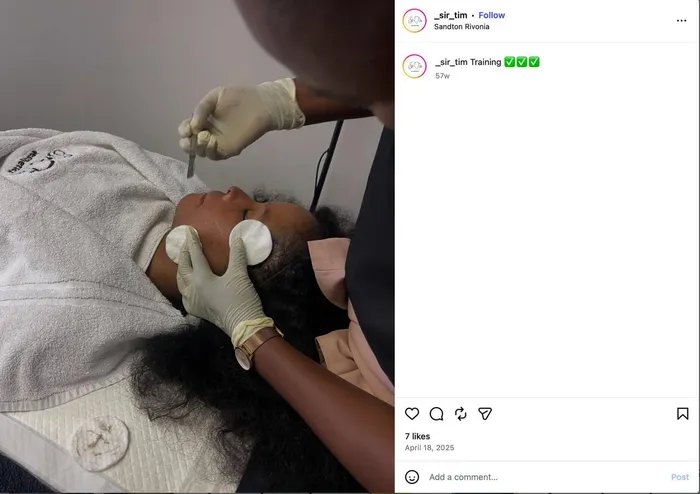
A client receives dermaplanning treatment, where the hair is removed using a blade
Image: Instagram
That has created growing concern about black-market products entering the South African cosmetics industry.
“The biggest problem with black market products is that we don’t know what’s in them,” one recent industry investigation warned.
“There is no recourse if something goes wrong, and no guarantee that the product is safe.”
Among the most concerning trends identified by medical professionals is the widespread marketing of so-called “deep peels” by salons and aesthetic studios operating outside clinical environments.
True deep chemical peels involve aggressive penetration into deeper layers of the skin using compounds such as high-concentration trichloroacetic acid or phenol.
If improperly administered, the consequences can include permanent scarring, severe hyperpigmentation, infection, burns and long-term tissue damage.
Yet social media advertisements increasingly package these procedures as routine beauty treatments requiring little downtime.
Sir Tim Aesthetics advertises deep peels and combination skin treatments promoted as quick procedures suitable for busy professionals.
But experts say genuine medical-grade deep peels cannot safely be reduced to “lunchtime treatments”.
“A true deep peel requires skin preparation, medical screening, controlled application and significant aftercare,” the Johannesburg dermatologist said.
“Particularly in darker skin types, aggressive peeling without proper protocols can permanently damage the skin.”
Perhaps even more alarming to regulators is the rise of unregulated “aesthetic academies”.
Across Gauteng, beauty salons and aesthetic studios are increasingly offering short training programs that promise to certify members of the public in advanced cosmetic procedures.
Sir Tim Aesthetics openly markets professional training services to aspiring practitioners. He is joining forces with Inala Skin Lab in Eswatini to provide training.
An undercover call to Inala Skin Lab in Eswatini for the event with Sir Tim revealed that no medical background is required to be taught to inject. A person called and indicated that they were interested in weight loss injections.
According to the undercover caller, the person on the other side indicated that they do not need to have any medical background or qualification to be trained and given a certificate. The caller was allegedly told that products used by Sir Tim were self-formulated.
But South Africa currently has no unified regulatory framework governing many forms of non-medical aesthetic training.
That means individuals with little or no formal healthcare background may complete short courses before offering treatments directly to paying clients.
Medical professionals warn that this is creating a dangerous multiplier effect.
“What happens is you create a pipeline,” one healthcare industry source said.
“One unqualified person trains ten more people, who then go and operate from apartments, salons and home studios.”
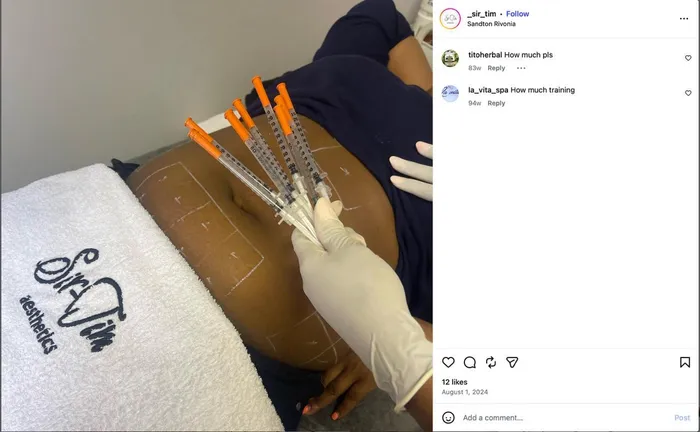
Lipolysis injections that are used during some of the weight loss programmes
Image: Instagram
Another professional said that over the past 30 years, she has witnessed significant changes within the beauty and wellness industry. When she began her career as a Beauty Therapist, professional qualifications, strict hygiene protocols, and comprehensive training were considered essential standards of practice.
“Today, there is growing concern around the increasing number of individuals performing advanced aesthetic and medically related procedures without appropriate education, accreditation, or clinical understanding. Treatments such as deep chemical peels, microneedling, laser procedures, injectables, IV therapy, skin tag and tattoo removal require extensive knowledge of skin anatomy, contraindications, infection control, and client safety,” she said.
“The rise of social media influence and short online training courses has created an environment where commercial gain is too often prioritised over professional standards and public safety. Incorrect treatment protocols can result in burns, infections, pigmentation disorders, scarring, and long-term skin complications.”
IOL asked Sir Tim Aesthetics whether trainees are informed about the legal limitations surrounding non-medical practice, particularly regarding injectables and invasive procedures.
No response was received.
The investigation comes amid mounting global concern around viral injectable products marketed online.
One of the most controversial is “Lemon Bottle”, a Korean-manufactured fat-dissolving product heavily promoted on TikTok and Instagram.
In 2024, Swiss regulator Swissmedic issued warnings classifying Lemon Bottle as an illegal medicinal product.
The AAMSSA later warned South Africans against receiving lipolytic injections sourced through informal channels, cautioning that many products being used locally are not registered with SAHPRA and have not undergone sufficient safety testing.
Complications linked to unregulated injectables have become increasingly common.
The Gauteng Department of Health recently confirmed that two patients in Ekurhuleni were hospitalised with severe complications, including organ failure, after using unregulated injectable substances linked to body enhancement procedures.
Department spokesperson Steve Mabona said preliminary investigations indicated the substances were being distributed outside regulated healthcare systems.
“These substances are being accessed outside regulated healthcare environments and, in some instances, are supplied directly to individuals together with equipment for self-administration,” Mabona said.
“The products are not approved for human use and their composition remains unknown.”
Medical specialists say social media has fundamentally altered public perceptions around cosmetic medicine.
Procedures involving needles, acids and tissue alteration are increasingly presented online with the casual tone of makeup tutorials.
The HPCSA and healthcare organisations say enforcement remains extremely difficult.
Many aesthetic businesses operate through social media accounts, WhatsApp bookings and rented commercial spaces that can rapidly change names or locations.
The result is a fragmented underground industry operating faster than regulators can police it.
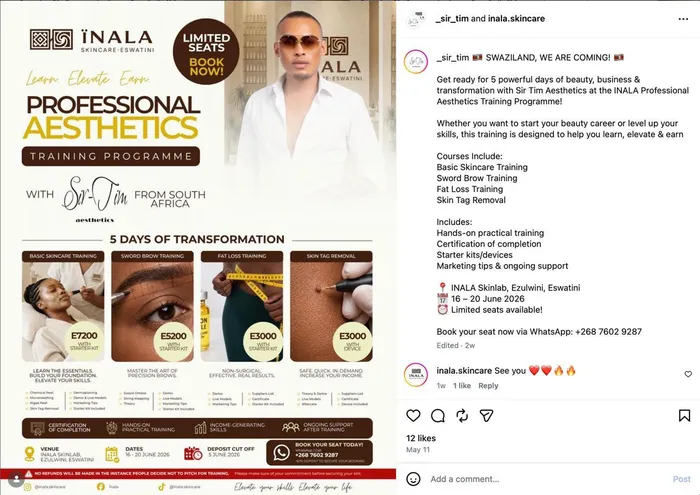
A poster of the training that will be carried out in Eswatini
Image: Instagram
The HPCSA has reiterated that no individual may legally practise a registered health profession in South Africa without formal registration.
“Section 34 of the Act is clear,” the council said in a recent warning.
“No person may practise a registered health profession in South Africa unless they are formally registered in terms of the law.”
Sir Tim Aesthetics continues to market cosmetic treatments and training services online.
Its Instagram profile remains active. Its booking systems remain operational.
But the questions posed by IOL were not extraordinary. They were the basic questions any client should be able to ask before undergoing invasive cosmetic procedures:
In South Africa’s rapidly expanding aesthetics underground, those answers are becoming increasingly difficult to obtain.
And medical experts warn that in an industry built on appearances, silence itself may be the biggest red flag of all.
IOL