EZ Bikes is revolutionising the daily commute for South Africans
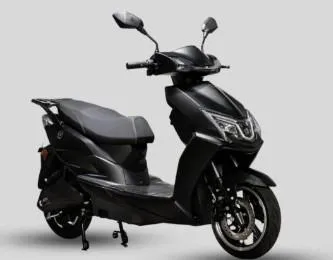
EZ Bikes is revolutionising the daily commute for South Africans, transforming financial burdens into freedom and mobility with innovative electric motorbikes.
Image: Suppled
For millions of South Africans, getting to work is more than a daily routine — it is a financial and emotional burden. Rising transport costs, unreliable public systems, and long commute times continue to erode both income and dignity.
Electric Zoom (EZ) Bikes, a proudly South African electric motorbike company, is offering a compelling alternative: an affordable, reliable way to commute that transforms unavoidable transport costs into independence, ownership and monthly savings.
At its core, EZ Bikes is not selling motorbikes — it is selling freedom.
Turning transport costs into ownership
Founded by Anthony Goodman, EZ Bikes has been operating for just over three and a half years and focuses exclusively on electric motorbikes designed for everyday commuting.
The concept is simple. Instead of spending thousands each month on public transportation — with nothing to show for it — commuters pay a fixed monthly fee and gain access to a fully supported electric motorbike, with ownership at the end of the term.
“Our customers aren’t taking on a new expense,” Goodman explains. “They’re simply redirecting what they already spend on transport into something efficient, reliable and life-changing. That shift alone can change someone’s future.”
A monthly cost that replaces existing transport spend
For R1,999 per month, EZ Bikes offers an all-inclusive package that covers:
- The electric motorbike
- Free insurance
- Free maintenance
- A GPS tracker
- Two helmets
- Two chargers
- Gloves and a raincoat
“If something breaks, we fix it. If the bike is stolen or damaged, we replace it,” says Goodman. “Our customers depend on their transport. That peace of mind is essential.”
Payments are managed through authenticated debit orders, ensuring affordability and sustainability for both customers and the business. After 60 months, ownership of the bike transfers fully to the customer.
Built for South African conditions
EZ Bikes are designed specifically for local commuting realities. Each bike charges from a standard three-pin wall socket, requires no specialised infrastructure and takes approximately three hours to fully charge.
A single charge delivers a range of 70 to 80 kilometres, more than enough for most daily commutes. Electricity costs are negligible compared to petrol, and because the bikes are electric, maintenance requirements are minimal — no oil changes, no engine servicing and far fewer mechanical issues.
With a top speed of just over 60 km/h, the bikes are ideal for urban and suburban travel.
“These bikes are incredibly simple to run,” Goodman says. “And if anything does go wrong, we take care of it. Reliability is critical for people who rely on transport to earn a living.”
To ride legally, customers require a motorbike learner’s licence. EZ Bikes assists with booking licence appointments, removing another major barrier to access.
A growing national footprint
Since launch, EZ Bikes has sold over 1,300 units nationwide and operates across South Africa. Social media drives much of the company’s customer acquisition, with word-of-mouth playing an increasingly powerful role.
“Our focus has always been the working commuter,” Goodman says. “Someone who wants a safer, cheaper and more aspirational way to get to work.”
For many customers, the bikes also unlock additional income opportunities. On weekends, they are used for deliveries, errands and side hustles — turning transport from a sunk cost into a productive asset.
Corporate partnerships and advertising innovation
EZ Bikes is now expanding into the corporate sector, offering companies the opportunity to provide bikes to staff members through salary-deducted payments which costs less than traditional transport allowances while delivering greater value to employees.
In a further innovation, the company is rolling out digital advertising panels on the back of the bikes. These mobile billboards generate advertising revenue that can be used to subsidise customers’ monthly payments, reducing commuting costs even further.
“Mobility should empower people, not drain their income,” Goodman says. “If advertising can help lower transport costs for working South Africans, that’s a win for everyone.”
A cleaner, smarter future for urban mobility
As South Africa grapples with congestion, fuel dependency and rising living costs, electric mobility offers a practical and sustainable alternative. EZ Bikes reduces emissions, eases pressure on public transport and gives commuters control over their time, safety and movement.
“Our customers aren’t spending more,” Goodman concludes. “They’re just spending smarter — and that makes all the difference.”