

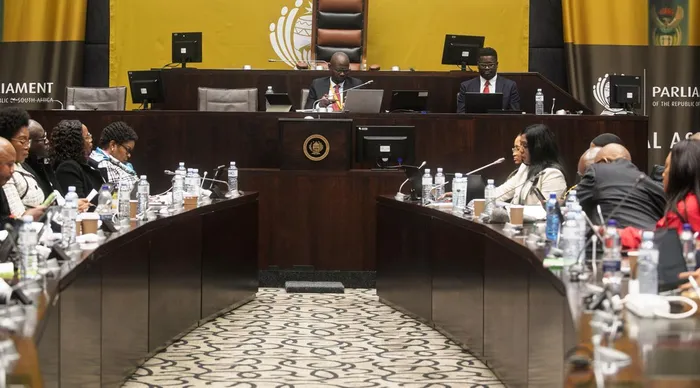
The Impeachment Committee on Section 89 Enquiry met today to consider its draft terms of reference and the process of appointing evidence leaders.
Image: Zwelethemba Kostile/ParliamentofRSA.
Parties have until July 10, 2026 to recommend names of senior counsel who will lead evidence in the Impeachment Committee on the Section 89 Enquiry.
The Impeachment Committee met on Wednesday to discuss its draft terms of reference and the process of appointing evidence leaders.
Proceedings started with the committee going through a timeline summary of its correspondence amid the legal action by President Cyril Ramaphosa to interdict the committee.
The interdict matter is scheduled to be heard in the Western Cape High Court on July 15 and 16.
The National Assembly adopted the rules for the Section 89 inquiry process late on Tuesday evening after Rule 129I of the Rules of the National Assembly had previously been declared unconstitutional and invalid by the Constitutional Court.
While giving reflections on the correspondences, which included the interactions with the president’s lawyers, the Speaker’s office and committee members, the bulk of the frustrations which arose from parties were related to Speaker Thoko Didiza’s decision not to oppose President Ramaphosa’s interdict.
DA’s Parliamentary leader George Michalakis said that Didiza’s reasoning “doesn’t hold water” and that she should have acted in the interest of the committee and backed Parliament. He said that impartiality is too convenient an excuse.
ANC members came to the defence of Didiza and her decision to submit an explanatory affidavit. Cameron Dugmore said that the Speaker has indicated at an early stage that the committee is the one seized with opposing the interdict.
Doris Mpapane said the committee took their own route, and “I want to believe that the Speaker had her own legal opinion that she wanted to follow”.
“We have made our choice, so let’s stick to it as a committee.”
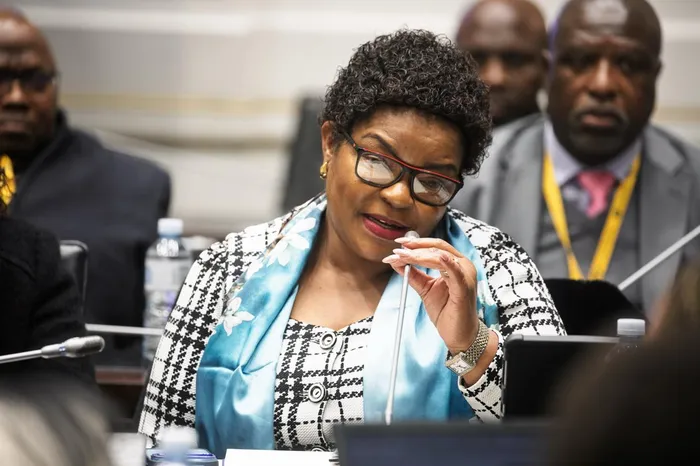
Doris Mpapane said the committee took their own route, and “I want to believe that the Speaker had her own legal opinion that she wanted to follow”.
Image: Zwelethemba Kostile/ParliamentofRSA.
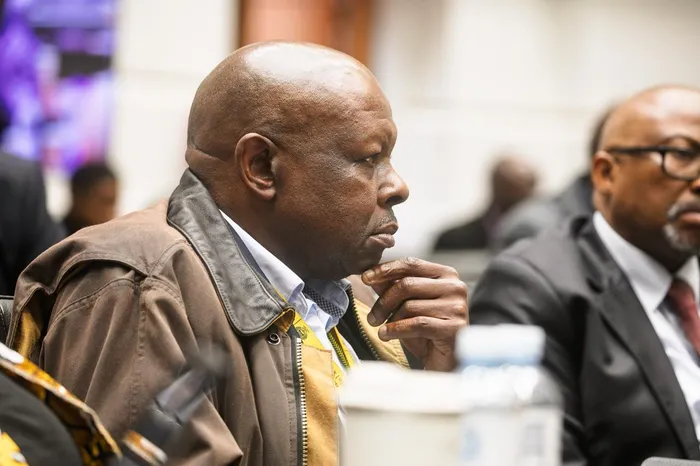
uMkhonto weSizwe Party (MKP) leadership in Parliament, Dr John Hlophe said: “It is very clear to us that the Speaker totally misconstrued her role in this matter."
Image: Zwelethemba Kostile/ParliamentofRSA.
uMkhonto weSizwe Party (MKP) leadership in Parliament, Dr John Hlophe said: “It is very clear to us that the Speaker totally misconstrued her role in this matter.
“The real question going forward is, we need to make a decision, as this committee, as to what exactly to do in the light of the fact that the Speaker totally misconstrued her role.
“If anything, the legal advice that was given to her, it was that she must oppose the interdict application. She chose to ignore that advice,” Hlophe said.
“We must agree as to what we are going to do about the Speaker, who has derelicted her duty. Her duty is to uphold the Constitution and to protect Parliament. She has failed dismally in that regard,” Hlophe said.
Chairperson of the Impeachment Committee, Makashule Gana, said: “The Speaker accounts to the National Assembly. So if there's a body that has to hold the Speaker account, it's not this committee…
“If you want to bring any motion to hold the Speaker accountable, it has to be done through the National Assembly. The committee itself cannot call the speaker to come and account to it. She's accountable to the National Assembly, and political parties are within their rights to call for that accountability in the National Assembly.
“So let's not take powers to ourselves, that does not belong here.”
After their reflections, the committee moved on to discussions surrounding the terms of reference and the process of appointing evidence leaders.
Most of the discussions on the terms of reference related to the fact that parties feel that President Ramaphosa should come before the committee if he is summoned, and that the terms of reference cannot give him the leeway to decide.
Parties received a draft terms of reference, and they will have 10 working days to submit their recommendations and make written submissions to it by Friday, 10 July 2026.
The submissions by parties will form part of the draft Terms of Reference that the committee will adopt and use to guide its work throughout the enquiry.
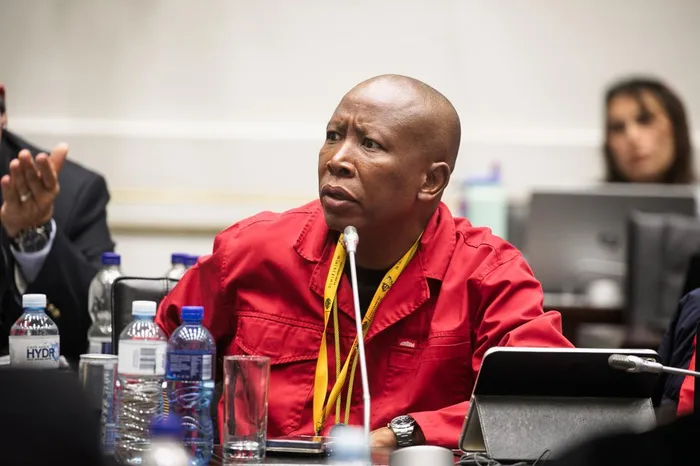
EFF Party Leader, Julius Malema, also raised the issue of needing a forensic investigator and an exchange control expert.
Image: Zwelethemba Kostile/ParliamentofRSA.
On the issue of the evidence leader, the committee decided that parties will be allowed to nominate people, and instead of ending up with 30 names, they will be allowed to lobby one another in the interim so that the list of recommendations put forward is reduced.
EFF Party leader, Julius Malema, also raised the issue of needing a forensic investigator and an exchange control expert.
“We also feel that the issue of forensic investigators and the exchange control expert must also be in the terms of reference.”
The committee agreed to this, but decided that an appointment to these positions would only be made after the evidence leader is appointed.
When guiding the committee on their issues in which to make a decision, Gana said: “We agree that the committee recommends (the evidence leader), and Parliament can deal with procurement processes after that, but the name should come from this committee.”
The committee also agreed to allow the eventual evidence leader to appoint their own junior counsel.