


As navigation apps come under scrutiny, community members voice concerns about rising safety threats on Cape Town's N2.
Image: Unsplash
Cape Town motorists travelling along the N2 and R300 are increasingly relying on navigation apps to avoid potential danger, but questions remain over whether digital rerouting is making the highways safer, Cape Argus has reported.
The City of Cape Town says engagement with major mapping platforms has delivered tangible results. However, community safety advocates argue that incidents along the corridor are far from declining.
JP Smith, the City’s Mayco Member for Safety and Security, said officials have worked with Google, Waze and Apple Maps through the Safer City Agreement Technology workstream. The aim, he said, was to discourage apps from redirecting drivers through known crime hotspots.
According to Smith, the collaboration has contributed to a noticeable drop in reported incidents.
Yet road safety advocate Paul Treleven disputes that assessment. Treleven helps coordinate a large community WhatsApp network that shares daily alerts about suspected stone-throwing, tyre-slashing and robberies along the N2 and R300.
Based on feedback from hundreds of group members, he believes attacks have escalated rather than declined. He argues that many motorists choose not to open cases, meaning official crime statistics may not reflect the true scale of the problem.
Treleven said reporting incidents can be cumbersome, leading some victims — including international visitors — to leave the country without lodging complaints.
The N2 corridor, particularly the stretch between Cape Town International Airport and the city, has long been associated with brick attacks and robberies. Some commuters have dubbed it the “Hell Run”, referencing incidents in which vehicles are damaged to force drivers to stop.
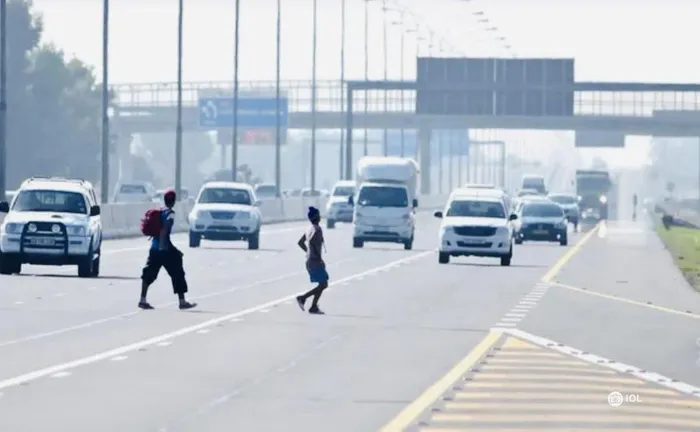
Navigation apps are under scrutiny as debate intensifies over whether digital rerouting can make the N2 safer for motorists amid ongoing reports of stone-throwing and attacks.
Image: Supplied
At the centre of the debate is whether navigation algorithms, primarily designed to reduce travel time and congestion, can effectively incorporate incomplete crime data into routing decisions.
Treleven believes tech companies should prioritise safety over convenience. He suggested apps should display clear warnings or direct motorists to busier routes, even if that results in longer travel times.
He acknowledged that formal hotspot labels could negatively affect nearby businesses, but said protecting lives must take precedence.
Smith, when pressed on the broader effectiveness of algorithm-based rerouting, referred to the City’s earlier comments. On proposals for a physical safety wall along the corridor, he said it was too early to comment.
Beyond digital measures, the City says enforcement agencies conduct daily patrols along the N2 and R300, both day and night. The Traffic Service’s Highway Patrol Unit has been operational since 2022, with an additional 40 Metro Police officers deployed last year to bolster capacity.
Smith emphasised that the South African Police Service remains the lead authority for crime prevention. He noted that the City’s agencies provide support but cannot maintain a permanent static presence at every hotspot due to competing demands.
Discussions between municipal, provincial and national stakeholders on broader safety interventions are ongoing. Urban Mobility Mayco Member Rob Quintas said updates would be communicated once formal agreements are reached.
Concerns about navigation systems directing motorists into high-risk areas are not new. In 2023, British surgeon Dr Kar Hao Teoh was killed after mistakenly driving into Nyanga during a taxi strike.
Two years earlier, American tourist Walter Fischel was shot and robbed after being routed through the same area en route from the airport. Following those incidents, Google removed the contested route, a move welcomed by community policing forums and described by Fischel as a positive step.
As technology increasingly shapes how residents and visitors navigate Cape Town, the question remains whether digital rerouting can genuinely reduce crime exposure — or merely shift the risk elsewhere.
IOL News