

Oil prices plummeted and markets surged after President Trump hinted at easing Middle East tensions, leading to significant gains for the rand and a potential shift in global economic dynamics. Read on to explore how these developments are shaping investor sentiment worldwide.
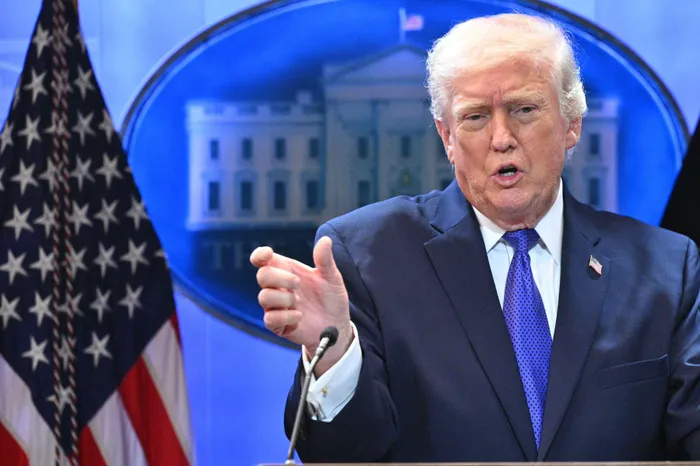
Image: Mandel Ngan / AFP
In a whirlwind week for global markets, a dramatic rollercoaster of events has led to significant recoveries following a troubling start.
Oil prices surged earlier this week, caused widespread concern among investors, but a glimmer of hope emerged with US President Donald Trump’s recent comments suggesting a potential end to the ongoing conflict in Iran.
Investors took notice as he also mentioned a possibility of easing sanctions on Russia to improve global oil supply.
After a tumultuous trading day that left Wall Street in a precarious position, equity markets ended higher yesterday, reflecting newfound optimism.
Bianca Botes, Director at Citadel Global said, "The mood has shifted overnight, with US equity futures beginning today in the red, indicating that volatility may not have reached its conclusion just yet. Across Asia, the mood was markedly different, as markets rebounded with significant gains. The South Korean KOSPI index surged by an impressive 6%, while Japan’s Nikkei followed suit with a robust 4% recovery. Chinese indices also ended the day in positive territory, buoyed by a surprising uptick in the nation’s trade balance, which provided additional support to already positive sentiment."
She added that in the oil sector, prices fell nearly 10% before settling slightly higher, now trading at $94 per barrel in the aftermath of Trump’s announcements.
"The gold market, often a safe haven amidst such turmoil, saw modest gains, climbing 0.4% to reach $5,157 per ounce. Conversely, the US Dollar Index experienced a retreat, falling to 98 this morning as investor sentiment fluctuated," Botes said.
"Market analysts are keenly focused on developments in the Middle East, emphasising that the potential for a sharp recovery hinges on the resolution of the current conflict. The prospect of returning stability could stimulate further improvements in the markets," she added.
Closer to home, the South African rand is a notable beneficiary of the lower oil prices and improved overall sentiment, yielding sharp gains across all major currency-exchange pairings.
"The rand starts the day trading at R16.38 to the US dollar, R19.01 to the euro, and R21.97 to the British pound. This newfound strength underscores the broader implications of global events on local economies and currencies," Botes further said.
Follow Business Report on Facebook, X and on LinkedIn for the latest Business and tech news.