


As the demand for cosmetic work surges, a darker reality is emerging.
Image: ellocofish / Pexels
The growing trend of botched procedures has turned the dream of a perfect look into a living nightmare for many South Africans who are increasingly seeking aesthetic enhancements.
With a world of digital filters at our fingertips, it is easier than ever to imagine a slightly narrower nose, a sharper jawline, or smoother skin.
However, as the demand for cosmetic work surges across the country, a darker reality is emerging.
More people are finding out the hard way that a filter cannot be safely replicated by just anyone with a needle.
Dr Nombulelo Metuse, a plastic and reconstructive surgeon at Mediclinic Muelmed, is seeing the fallout firsthand.
She explains that the primary issue is not the science of the procedures themselves, but rather a dangerous combination of who is performing them and why patients are seeking them out in the first place.
According to Dr Metuse, one of the single biggest risks right now is the use of unqualified practitioners.
She points out that in South Africa, anyone can market themselves as a cosmetic doctor.
This creates a massive safety gap because a lack of anatomical knowledge and poor sterile techniques can result in serious complications that require complex and expensive revision surgery later on.
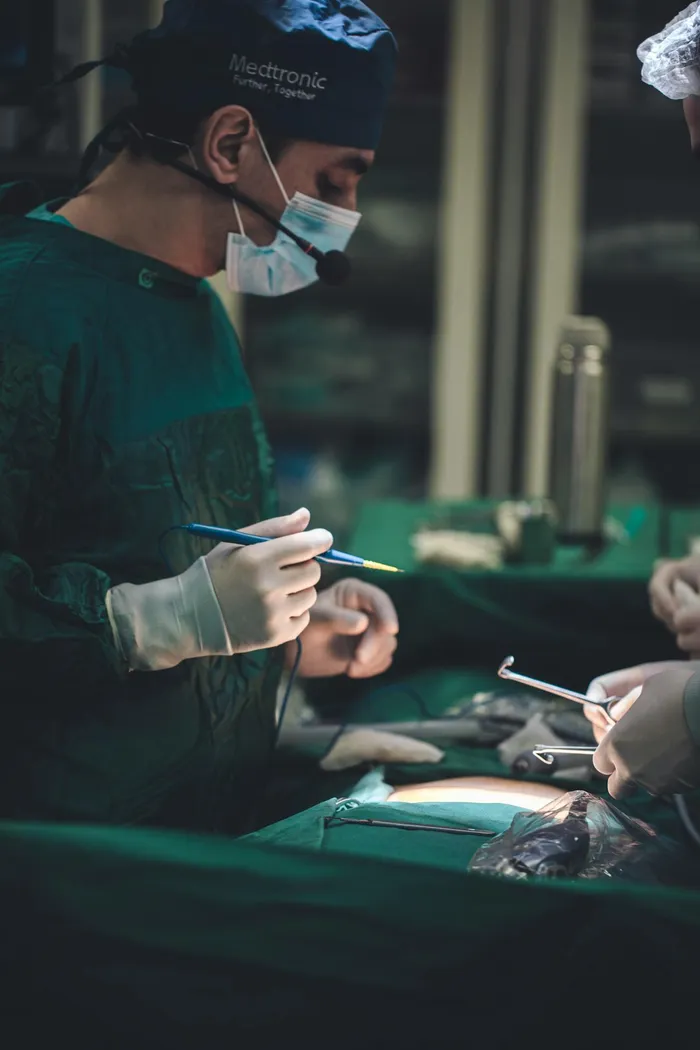
The single biggest risks right now is the use of unqualified practitioners.
Image: Zakir Rushanly / Pexels
Social media is a major driver of this risk. Platforms like Instagram and TikTok have created an environment where unrealistic expectations are the norm.
Dr Metuse warns that “surgery, however, cannot replicate FaceApp or Instagram filters.”
Despite this, influencers continue to promote clinics and practitioners without verifying their actual credentials, often showcasing edited before-and-after images that do not reflect reality.
The confusion is made worse by the vague titles used in the industry.
Many South Africans are unsure who is actually qualified to touch their face or body.
For common injectables like Botox and fillers, Dr Metuse advises patients to consult a plastic surgeon or dermatologist.
She notes that while a GP may be acceptable if they have properly accredited aesthetic training, patients must be cautious of practitioners who have only completed short or “weekend” courses.
When it comes to invasive surgery, the rules are even stricter.
Dr Metuse is unequivocal that only a specialist plastic and reconstructive surgeon registered with both the Health Professions Council of South Africa (HPCSA) and the Association of Plastic, Reconstructive & Aesthetic Surgeons of Southern Africa (APRASSA) can perform these surgical procedures.
“This is non‑negotiable,” she insists, highlighting that these credentials are the only way to ensure the highest standard of care.
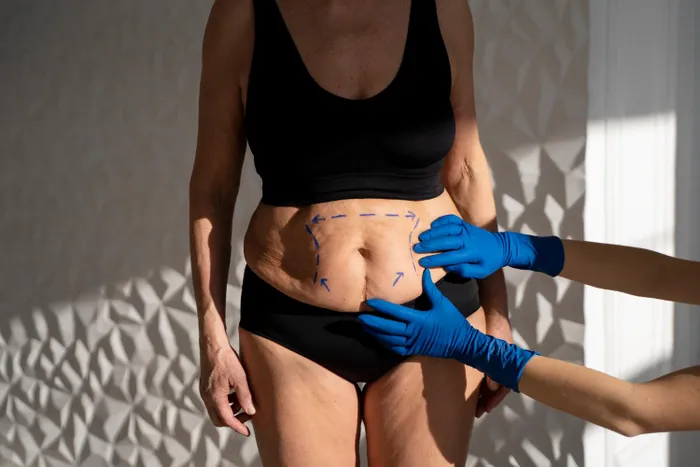
Only a specialist plastic and reconstructive surgeon registered with both the HPCSA and APRASSA can perform surgical procedures.
Image: Freepik
When the wrong provider takes on a procedure they are not trained for, the results are rarely just a minor disappointment.
Dr Metuse says these are not rare scenarios and that they are complications seen regularly in clinical practice.
These issues are often linked to poor practitioner selection or excessive intervention.
Common examples include overfilled faces with distorted proportions, asymmetric results from poorly performed liposuction, or even life-threatening fat embolisms during Brazilian Butt Lift (BBL) procedures.
Beyond the doctor's skill, the products themselves are a cause for concern.
The market is currently seeing an escalation in the use of unregulated and counterfeit products.
Using a filler that is not approved by the South African Health Products Regulatory Authority (SAHPRA) can lead to tissue necrosis, which is essentially skin death, as well as permanent disfigurement or the growth of hard lumps known as granulomas.
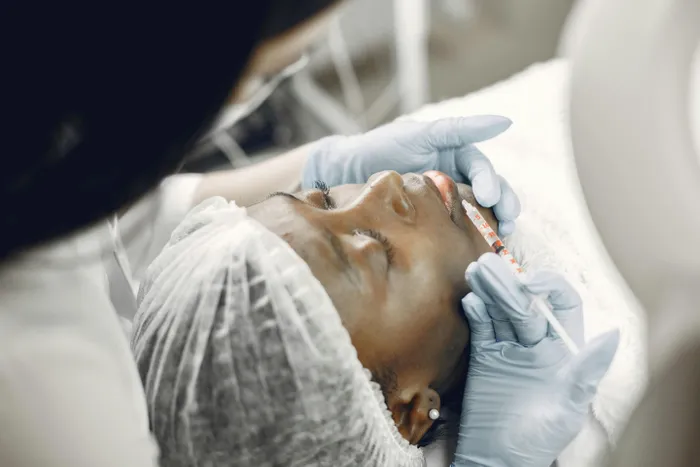
Beyond the skill of the doctor, the products themselves are a cause for concern.
Image: Cottonbro studio / Pexels
So, how do you protect yourself in a market flooded with too-good-to-be-true deals?
Dr Metuse says that verifying credentials is the most important step you can take.
You should always check for HPCSA and APRASSA registration and insist on a full medical consultation that includes a deep dive into your history and a thorough risk discussion.
There are also several red flags to watch out for. If a practitioner pushes you to have a procedure on the same day as your first consultation, you should be worried.
“If a practitioner does a same-day consultation with a procedure push, that’s a red flag,” says Dr Metuse.
Similarly, if the price seems far lower than the industry standard, it likely means they are cutting corners on safety or product quality.
Finally, pay attention to the aftercare. If your provider disappears after the procedure, that is a serious warning sign.
Cosmetic procedures, even the ones marketed as “lunchtime treatments,” remain medical interventions and carry real risks.
While they can be safe and rewarding when performed by the right hands, the consequences of a poor choice can last a lifetime.