

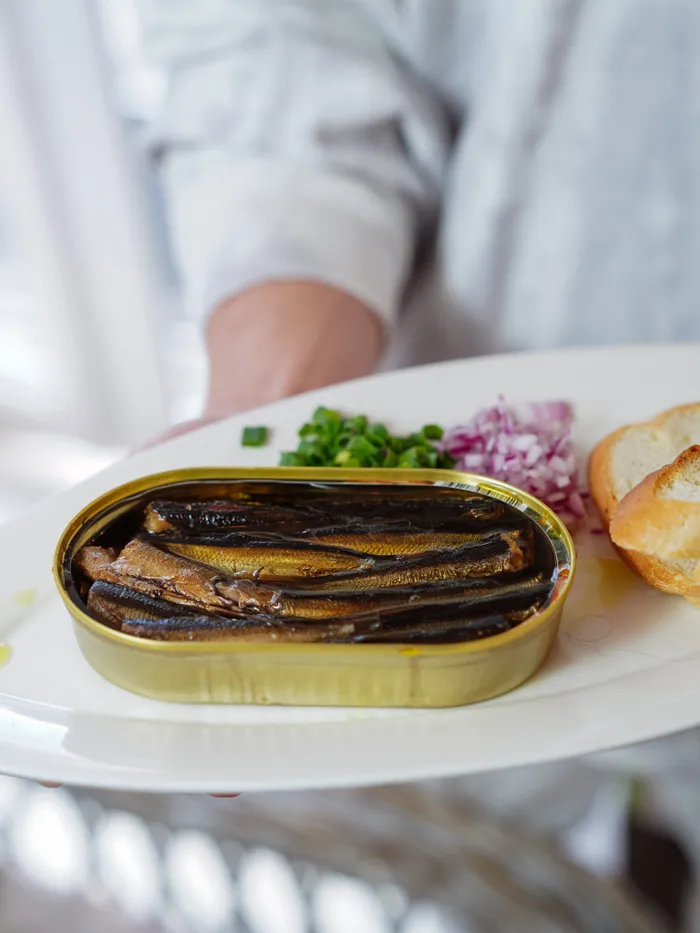
From a viral TikTok trend to clinical backing, here is the ultimate survival guide to the 3-to-5-day sardine diet before you go full tinned fish.
Image: Pexels/ PIXAMD AMX
Given all the coverage on the annual Sardine Run and various comfort food features, I had to jokingly tell the team to quit teasing my appetite with those delicious winter recipes they've been sharing.
This conversation in the work group chat about our mutual love for tin fish curry and sardines quickly pivoted toward the viral 3-Day Sardine Diet.
The trend caught me completely off guard; I was oblivious to its existence. However, after diving into various TikTok clips from healthcare experts and digging through online research, I realised it has become quite the phenomenon.
In light of this, I wanted to pass along what I discovered.
The "sardine diet" (also known as a sardine fast or challenge) has been around in the wellness space since 2012, but it didn't become a viral mainstream trend until 2023.
The original concept was pioneered by Dr Frederick Hatfield, a bodybuilder and scientist specialising in strength sports.
It has since transformed into a wellness phenomenon, largely propelled by Dr Annette Bosworth - recognised digitally as "Dr Boz" - who championed the 3-day sardine challenge as an essential metabolic reset.
As a dedicated advocate for keto and low-carb lifestyles, her endorsement rapidly gained widespread traction.
Certain iterations of this nutritional challenge may even extend the window between five and seven days.
Popular health educator and licensed chiropractor Dr Eric Berg, an expert in intermittent fasting and healthy ketosis, took to TikTok to provide insights into this dietary trend.
He has also authored the acclaimed bestseller “The Healthy Keto Plan”.
In unpacking what happens when you do the diet for five days, he said: “Day one: Your omega-3 fatty acids will start going up. Your inflammation starts going down. You start losing brain fog, and your mood starts getting a little bit better.
“Day two, you're getting a lot of high-quality protein. You're getting like 25 grams of protein per can, but it's super bioavailable. And at the same time, you're not getting a lot of calories, but you're getting all the protein, so you're doing a low-calorie diet at this time.
“And the benefits of a low-calorie diet are almost identical to those doing fasting, but with this, you're adding the protein. So, you're not going to lose your muscles, you're going to feel really good, and your hair's going to be happy. So, all the connective tissue in your biochemistry, which is protein, is going to be satisfied.”
He continued: “Now, on day three, because you're getting so much selenium, which most people are deficient in, your thyroid is going to work better. The inactive T4 is going to convert to T3; your immune system is going to be much better.
“You're going to notice that your hormonal engine, thyroid, is just going to start working better. If you had cold feet before or cold hands, you're going to notice they're going to start warming up.
“Day four, because you're doing so much intermittent fasting and you're not stuffing your gut so frequently, you're going to notice your digestive system is going to be very, very happy. You're not going to have any bloating; you're going to feel like your stomach is shrinking because it is; you are losing visceral fat, big time.”
Last but not least, he noted: “And day five, your brain is so flooded with ketones that you're going to think clearer, you're not going to have an appetite, you're not going to be hungry, your immune system's going to be better.
“You're basically going to have zero inflammation in your body because of all that omega-3 combined with all the intermittent fasting.”
Contributing to the digital discourse, Dr Kunal Sood - a double board-certified physician whose expertise in interventional pain medicine has made him a TikTok sensation -provided his clinical perspective on this burgeoning trend.
He noted: “So sardines might be one of the rare superfood claims that actually has some truth behind it because nutritionally, they're doing a lot in a very small package.
“They're fatty fish rich in EPA and DHA, which are the omega-3 fats linked to lower triglycerides and better cardiovascular support when they're part of an overall healthy diet. That's where a lot of the heart-health messaging actually comes from.
“It's not that sardines magically prevent heart disease, but replacing more processed foods with omega-3-rich fish can consistently support a healthier lipid profile. They're also packed with vitamin B12, which matters for nerve function, DNA production, and healthy red blood cells.
“If you eat sardines with the soft bones, you're also getting calcium, phosphorus, and vitamin D, all of which support bone health. Another underrated benefit is that sardines are small fish, so they tend to be lower in mercury than larger predatory fish.
“The main caution is sodium, especially with the canned versions, so check the label if you're watching blood pressure. But overall, sardines can be one of the most affordable and nutrient-dense protein sources.”
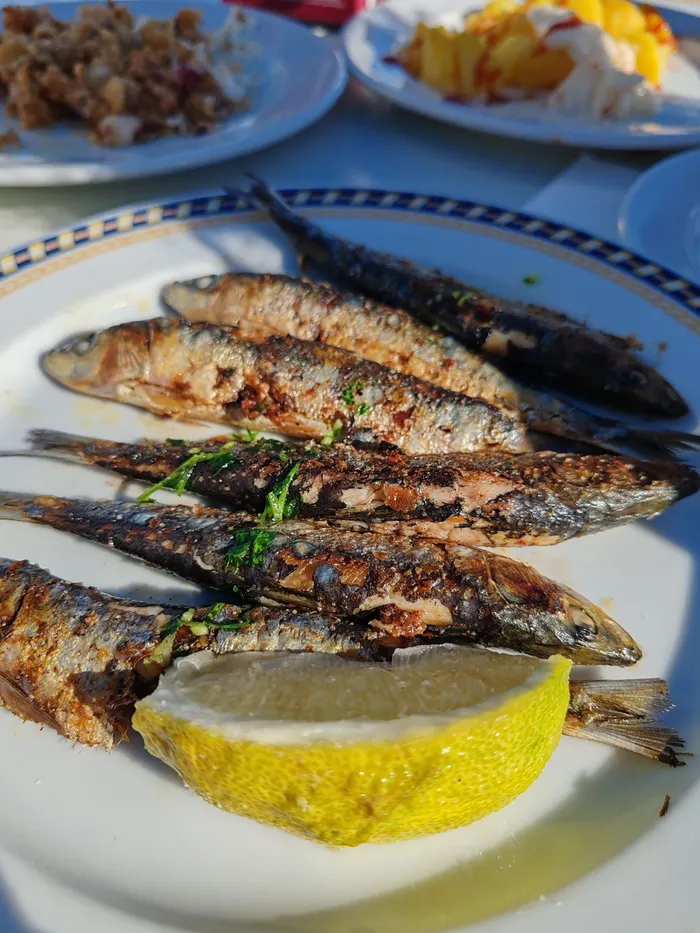
While many are familiar with sardines packed in cans, some enjoy fresh sardines grilled.
Image: Pexels
While clinical experts have detailed the numerous advantages packed into this short window, it is equally vital to navigate this trend with a discerning eye toward the following caveats:
♦ Always consult your doctor or a registered dietitian before making drastic changes to your eating habits or embarking on a dietary challenge. Your unique health history always comes first!