

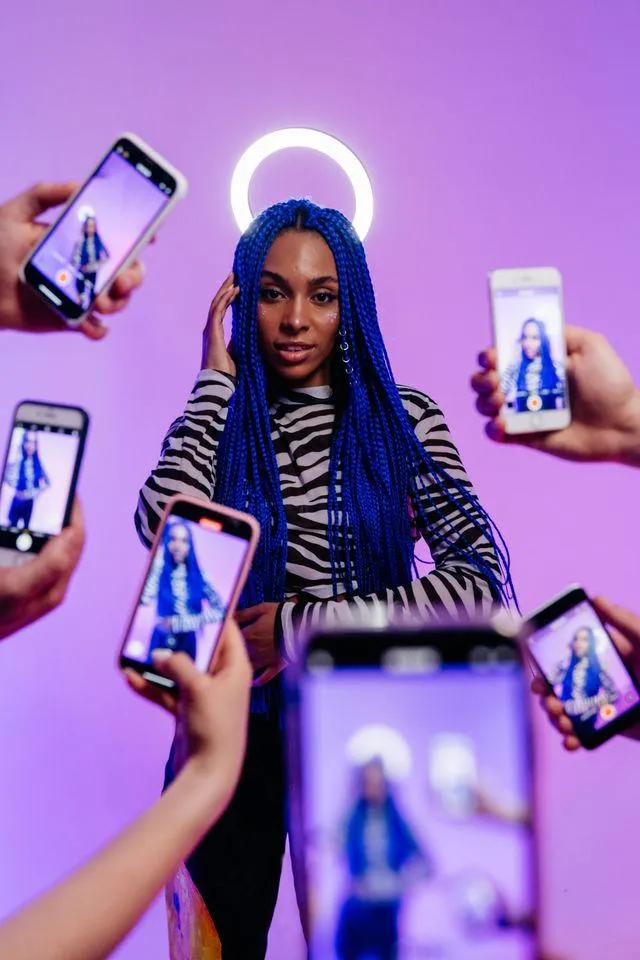
The UK government's move to ban under-16s from major platforms could redefine young lives, amidst mounting concerns over mental health and well-being.
Image: Pavel Danilyuk /Pexels
The days of hearing, "Just one more TikTok", may soon look very different for families across the United Kingdom.
In a landmark move that has reignited the global debate around children and online safety, the UK government has announced plans to ban children under the age of 16 from holding accounts on major social media platforms.
For many parents, the news landed like a message they had been waiting years to hear. This isn't just a recommendation to parents; it is a full-scale digital curfew.
The regulations are moving quickly through parliament. Here is the official rollout schedule:
The new rules apply strictly to public, algorithm-driven spaces.
Across the world, childhood looks very different from what it did a decade ago. Bedrooms have become content studios.
School breaks are spent scrolling. Friendships begin on Snapchat streaks and continue through Instagram stories. For many children, social media is no longer simply entertainment.
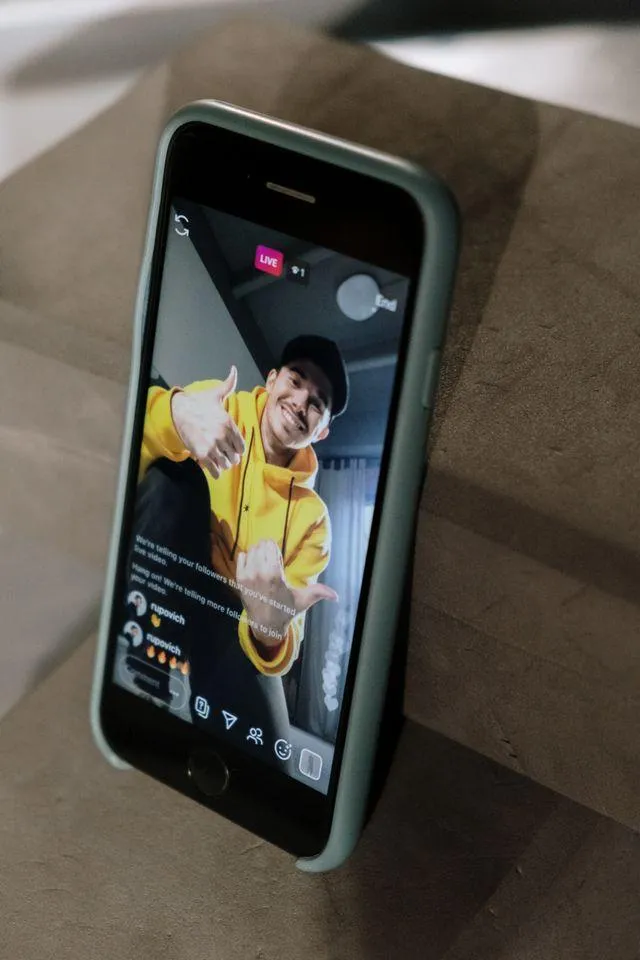
To ensure compliance with age regulations, tech companies may need to process greater amounts of personal data from young users and adults creating new profiles alike.
Image: cottton bro studios/pexels
It is where they socialise, learn trends, build identity, and seek validation. Yet researchers have increasingly raised concerns about the mental health toll.
Studies published in JAMA Pediatrics and reports from the World Health Organisation have linked problematic social media use to higher rates of anxiety, depression, sleep disruption, and cyberbullying among adolescents.s.
"The focus here is on mitigating harm and boosting wellbeing," stated a UK Government Spokesperson.
"We want to ensure young people have the opportunity for a healthier upbringing." If you feel conflicted about this, you are far from alone.
Yet, the data shows an overwhelming majority of us are ready for an intervention. A nationwide consultation that received more than 116,000 responses revealed that nine in ten parents back a social media ban for under-16s. Even more surprising?
Two-thirds of young people themselves openly agree that under-16s shouldn't be on these platforms. There is an underlying sense of cultural exhaustion. We are tired of algorithmic feeds dictating our children's self-esteem. The UK is far from alone in its battle against the algorithm.
In fact, Downing Street is tapping into a rapidly accelerating global movement to reclaim childhood from Big Tech.
While the UK is intentionally positioning its policy to go further by limiting livestreaming and stranger contact for 16 and 17-year-olds, other nations have already drawn their own digital lines in the sand:
According to the ban for 16 and 17-year-olds, risky features like livestreaming and stranger contact will be switched off by default, even across online gaming platforms.
Furthermore, trendy AI chatbots that simulate romantic relationships will enforce a strict minimum age of 18. The government is even weighing up dramatic changes like overnight curfews and legally mandated breaks in infinite scrolling, with more details promised soon.
Here is where the conversation gets real for adults. The legal burden of checking ages falls entirely on the tech platforms, not on Ofcom, and certainly not on parents.
Tech giants will have to deploy robust age assurance technology. This includes:
Melanie Dawes, Ofcom chief executive, confirmed that the regulator will submit its comprehensive assessment of effective age checking by October
However, digital privacy advocates are already sounding alarms. To prove a user is over 16 to a flawless legal standard, tech companies may inevitably have to process significantly more personal data from everyone, including adults setting up new profiles.
Fortunately, if you’re an adult with an established account that has been open for years or has a payment method attached, you likely won't notice a thing.
For the kids, however, the wild west era of the internet is officially drawing to a close. Stay tuned, this is a true cultural reset.