

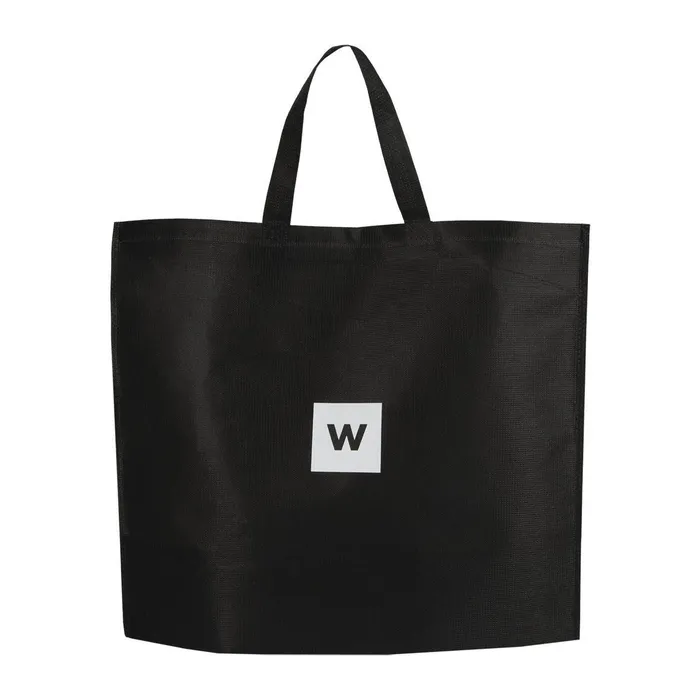
South Africans are embracing creative, low-cost gardening methods, with Woolies shopping bags now being used to grow vegetables at home.
Image: X/@EmmiieTLO
A Woolworths bag has already had its fair share of pop culture moments in South Africa, from fashion statements to viral social media jokes, and even the widely shared “money bag” discussions that turned everyday shopping carriers into unexpected talking points.
Now it's showing up in your garden too.
The same humble bag, which once featured in the widely circulated “Cat Matlala” conversation where it became part of a national meme cycle around cash and cash-like drama, has since taken on a completely different identity online. It has shifted from symbol to seed starter.
According to Charlotte, a gardening content creator who focuses on home gardening tips and money-saving through growing your own food, South Africans are increasingly embracing practical, low-cost ways to produce their own vegetables.
Her content highlights how everyday items can be repurposed to make gardening more accessible, especially in a time when grocery prices continue to climb.
One of her most shared hacks involves using a standard Woolworths shopping bag, roughly 24 litres in size, as a makeshift planter.
The bag is folded down at the top, filled with potting soil, and used to grow crops such as peas. She recommends planting seeds about 3 to 4 centimetres deep, adding a small support stick in the centre, and placing the bag in a sunny spot with regular watering.
It is simple but effective, and it is catching on.
Others have joined in, showing how the same bags can be used to grow peppers, sweet potatoes and brinjals. What was once a retail staple has quietly become a symbol of resourcefulness, shifting from online joke culture into everyday household use.
The rise in home gardening speaks to a broader reality. With the cost of living increasing, more people are turning to small-scale food production as a way to stretch budgets and regain a sense of control.
Even without land, people are using balconies, patios and corners of their homes to grow what they can.
This shift says more than just “DIY gardening trend”. It reflects a wider movement towards survival creativity, where everyday South Africans are finding ways to adapt, reuse and grow through pressure.