

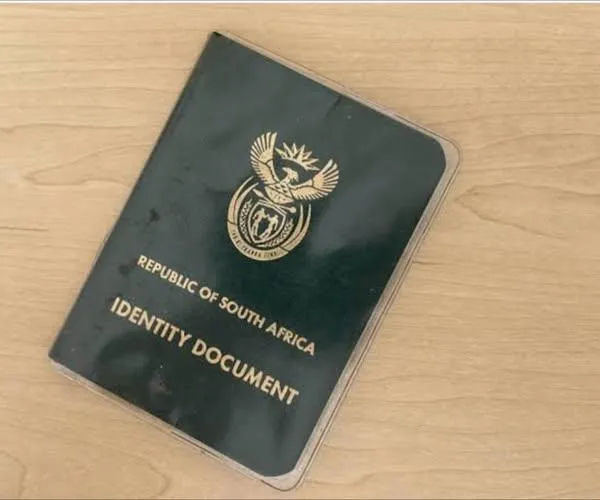
The green South African identity document book.
Image: FACEBOOK /Updates with LolahM
Remember the day you went to Foto First or the local pharmacy to take your ID photos? Hair freshly done, favourite top on and a serious determination to look presentable for the little picture that would follow you around for years.
For many South Africans, getting that photo taken was a big deal because it meant one thing: the green ID book was on its way.
Before Smart ID cards became the norm, the green barcoded ID book was a rite of passage. Turning 16 meant joining the queue at Home Affairs, filling in forms and waiting patiently for the day you could finally hold that small green booklet in your hands.
And ngequbuliso, you just felt a little more grown up.
For generations of South Africans, the green ID book was much more than an official document. It was your ticket to opening a bank account, applying for a learner's licence, registering to vote and landing your first job. It followed people through some of life's biggest milestones.
Of course, there was also the photo. Very few people escaped the struggle of having an ID picture they actually liked. Some photos looked nothing like their owners, while others became a source of endless teasing from family and friends.
Yet somehow, that awkward little picture became part of the charm.
Personally, I had my school jersey on with my winter school uniform, which, guys, included a tie situation. My hair was definitely not it. At the time, I thought I could magically turn my pitch-black hair caramel brown, but all that happened was the roots changed colour.
Looking back, it wasn't exactly what I thought it was giving. But somehow none of that mattered. It was one of those small but exciting moments. You were finally getting your green ID book, becoming an official citizen and couldn't wait to show your friends when it arrived.
For some learners, the process even came straight to them.
In the late 1990s and throughout the 2000s, the Department of Home Affairs ran school-based outreach programmes to help register first-time ID applicants, especially learners turning 16.
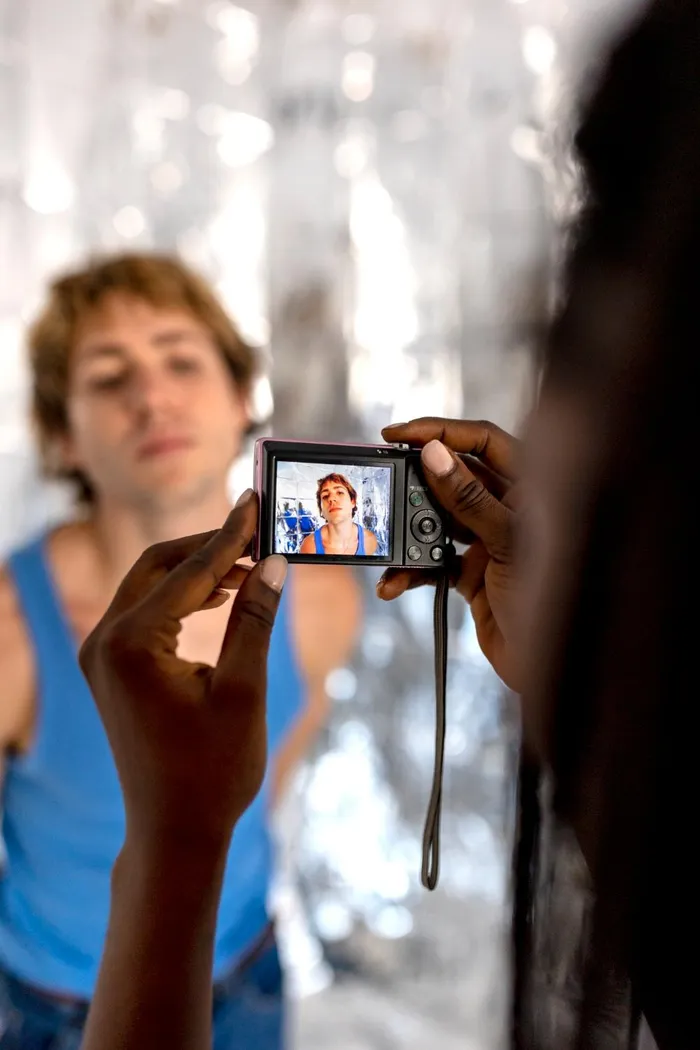
From Home Affairs queues to teenage photo shoots, the green ID book became a shared experience for million.
Image: Magnific
These mobile services were part of broader efforts to clear backlogs and improve access in rural and township areas.
Officials would visit schools to assist with applications, capture fingerprints and collect supporting documents, while ID photos were usually taken at designated photo service points.
What a time to be alive.
The green ID book has also witnessed South Africa's history. It was there as millions cast their votes in democratic elections, started new careers, got married and built families.
Tucked away in handbags, wallets and drawers, it became a constant companion through decades of change.
Now, as South Africa continues its move towards Smart ID cards and a more digital future, many people are feeling surprisingly nostalgic. The newer cards may be more convenient and secure, but they do not carry quite the same emotional weight for those who grew up with the familiar green booklet.
Ask almost any South African and they will probably have a story. There are memories of long queues at Home Affairs, the excitement of collecting a first ID and the panic of realising it had gone missing just when it was needed most.
There is also that moment of looking back years later and laughing at the hairstyle, outfit or facial expression captured forever on the page.
The green ID book may eventually disappear from everyday use, but its place in South African culture is already secure. It was there for first jobs, first votes and first steps into adulthood. More than an identity document, it became a small but meaningful part of growing up in South Africa.
And for many, it will always be remembered as that little green book that made you feel like you had finally arrived. But some of us will still keep that old groen boekie tucked safely away in a drawer long after it stops being useful.
Not because we need it, but because it holds memories. It reminds us of a different South Africa, a different chapter of our lives, where technology was not the centre of everything and, honestly, we did not even care that it wasn’t.
There is something about this new era that feels a bit too robotic and overly structured at times. Sometimes you almost miss the simplicity of SMS messages and old-school phone calls, where things felt more direct and human.
That little green book carries all of that nostalgia, along with the excitement of those early moments when you first felt grown enough to carry your identity in your own hands.
The green ID book may be reaching the end of its official journey, but for many South Africans, it will always have a permanent place in the archives of the heart.