


To thrive amid soaring petrol prices, South Africans are getting creative with practical strategies designed to alleviate the financial burden, such as the "one-trip" strategy:
Image: Gustavo Fring /Pexels
South Africans aren’t just complaining about petrol prices; they’re searching, budgeting, and reshaping their daily lives around them.
A recent search trend surge shows more people are Googling “petrol prices South Africa", “fuel price increase", and “how to save fuel", which is a clear sign that rising fuel costs are no longer just a transport issue. They’re a lifestyle crisis.
And the panic is understandable because when petrol goes up, everything follows: food prices, school transport, deliveries, and even the cost of a simple takeaway. It’s the domino effect most households feel before the month is even halfway done.
And across the country, from Gauteng commutes to Cape Town school runs, families are quietly adapting in ways that feel both practical and deeply personal.
In everyday language, when petrol rises, life becomes more expensive overnight.
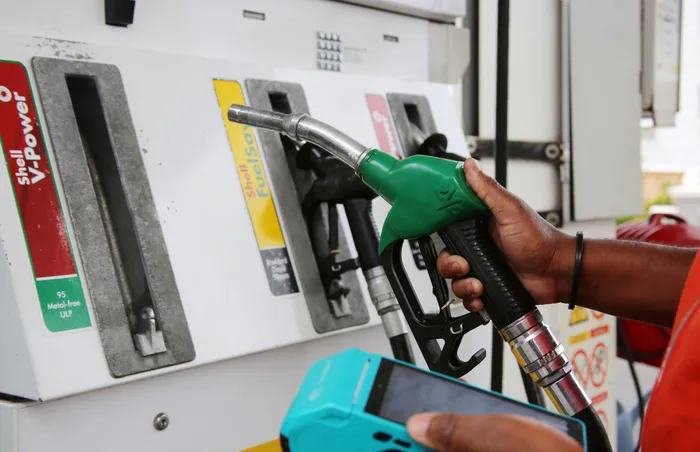
As petrol prices continue to climb, discover how families can adapt their lifestyles and budget strategies to navigate this escalating crisis.
Image: Tumi Pakkies / Independent Newspapers
The "one-trip" strategy: Stop the "pop-to-the-shops" habit. Amalgamate your errands into one loop. Group your household errands into one dedicated trip: grocery shopping, pharmacy stops, and banking, all done in a single outing.
This habit alone can significantly reduce unnecessary fuel use, and it’s one of the easiest changes to implement immediately.
Tech over tension: Use navigation apps like Waze or Google Maps not just for directions but also for the "lightest" traffic route.
Carpooling saves money: Carpooling, once seen as inconvenient, is becoming a lifeline. Colleagues can share rides to the office. Parents can rotate school drop-offs. Friends heading to the same gym can coordinate lifts.
Sharing fuel costs between two to four people can cut transport spending by 30% to 50% monthly, depending on distance.
Walk short distances: Turn your errands into exercise by walking to the shops instead of driving. If it’s within walking distance, it’s the perfect way for South Africans to hit that 10,000-step daily goal.
Whether it’s a trip to the corner store, the school, or a nearby takeaway, swapping the car for a walk is a simple way to embrace a healthier lifestyle.
This sounds basic, but it’s one of the biggest budget savers.
Takeaways are one of the fastest ways money disappears.
Families can turn to bulk cooking, making large meals that stretch across days. Cooking once saves electricity and time. Leftovers reduce the temptation to order food.
Examples that work well in South African homes:
Most people underestimate how much they spend on small daily purchases. Coffee here. Airtime there. Snacks on the way home. Using budgeting tools like 22seven (it has recently rebranded to Vault22) helps people see exactly where money is going.
Many South Africans have loyalty cards but don’t fully use them. Using certain benefits can lead to meaningful savings over time. Cashback on groceries and fuel adds up. Discounts reduce monthly household costs.
Used correctly, these programmes quietly stretch budgets:
With electricity costs rising, many households are rethinking how they use power.
Simple habits that save money:
Fruit and vegetables are cheapest when they’re in season. Many shoppers now visit local markets or buy bulk produce to stretch their grocery budgets further. Plan meals around what’s affordable, not just what you feel like eating.
Buying seasonal produce:
Streaming services, apps, and subscriptions quietly drain money. It sounds small, but over a year, this saves serious cash.
Households are now:
In tight economic times, replacing items too quickly becomes expensive.
South Africans can turn to home gardening even in small spaces. This can reduce grocery spending over time. Urban agriculture research supported by the Food and Agriculture Organisation shows that small-scale home gardens improve food security and household savings.
Growing basics like:
Socialising doesn’t have to be expensive. Instead of restaurants, people can:
It keeps relationships strong without wrecking budgets.