

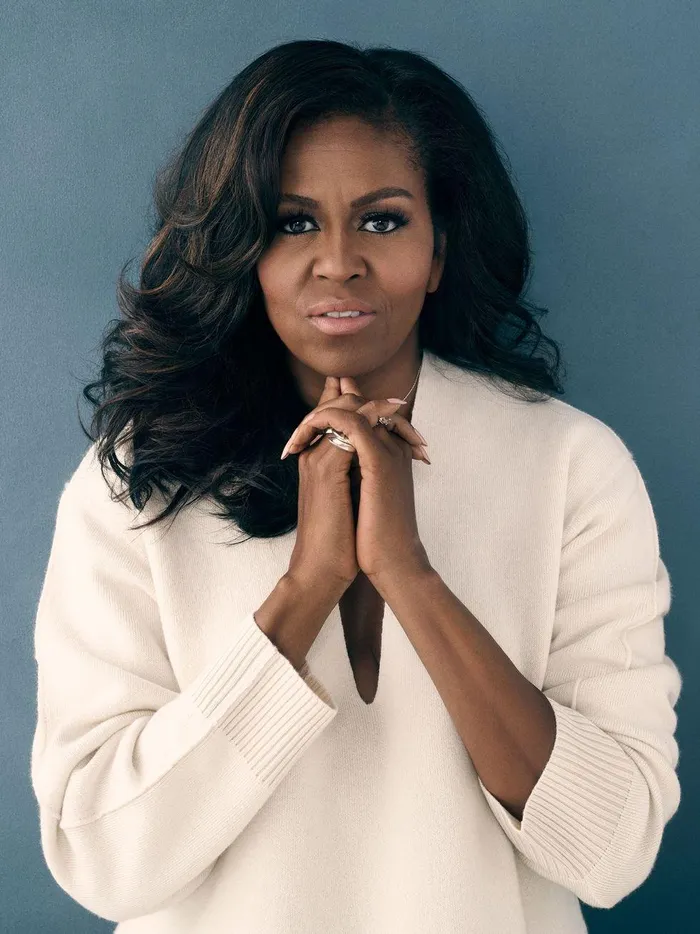
On her podcast, former American First Lady Michelle Obama recently shared the dating advice she consistently gives her daughters.
Image: X
Michelle Obama made headlines this week with her appearance on the Call Her Daddy podcast, diving headfirst into some of the most pressing challenges women face today.
Hosted by Alex Cooper, the conversation wasn’t just a glimpse into Obama’s life; it was a rallying cry for women everywhere.
From the deeply entrenched biases that still hold women back to the transformative power of boundaries, the former First Lady’s words resonated like a clarion call for change.
The power of saying "No."
Obama has long shown grace under pressure. In this interview, she revealed that saying “no” can be an act of self-preservation and empowerment. When asked about skipping Donald Trump’s inauguration, she explained it was about setting a boundary and having the strength to uphold it.
"It took everything in my power not do the thing that was perceived as right but to do the thing that was right for me," Obama shared.
By turning down an event that didn’t match her values, she protected her mental health and set an example for her daughters, Malia and Sasha.
Obama reflected on how women, particularly mothers, are often conditioned to say “yes” to everything at the expense of their own well-being.
“People can handle ‘no',” she emphasised. “The world doesn’t stop because I said no to your event.”
For Obama, learning to prioritise herself was a hard-fought lesson, but one she believes is crucial for women to embrace sooner rather than later.
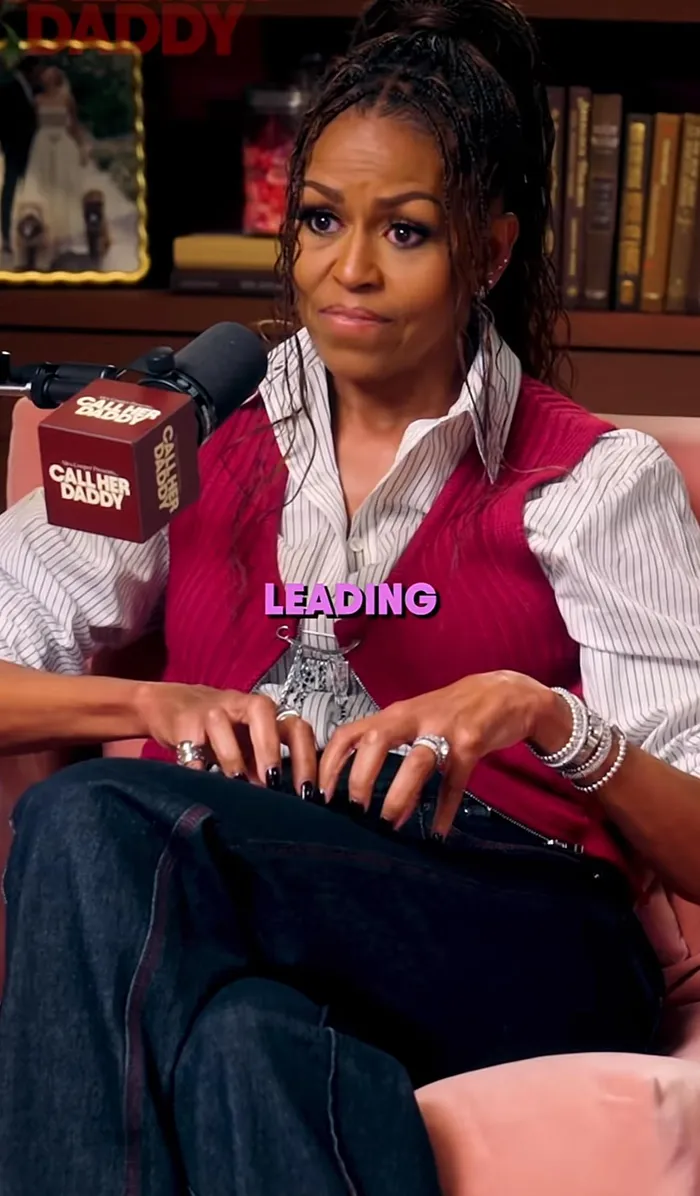
Michelle Obama addresses biases and empowerment in powerful podcast appearance
Image: Social media
America’s reluctance to elect a woman president
During the podcast, Obama addressed a topic that continues to weigh heavily on the nation: why the United States has yet to elect a female president. She didn’t mince words.
“The remnants of what has been there and what we've been socialised to believe are deeply embedded in who we are,”* she said, pointing to the cultural and systemic biases that persist despite progress.
Obama’s reflections were sobering. Even as qualified women like Kamala Harris and Hillary Clinton have run for the highest offices in the land, societal discomfort with women in power remains palpable.
She cited her husband, Barack Obama, a relatively new politician in 2008, as evidence of voters’ unease with women in leadership, having won the presidency over Clinton.
But what sets her apart is her unwavering hope. “I think it’s going to happen,” she declared, challenging Americans to prove her wrong about their hesitancy.
The double standards women face
As the conversation unfolded, Obama delved into the double standards and objectification women endure, whether in the workplace or the public eye.
Reflecting on her own time as First Lady, she described the scrutiny she faced for everything from her fashion choices to her expressions, a burden her male counterparts rarely bore.
“We’re inundated with messages that are wrong,” she said, acknowledging the toll these societal pressures take on women’s mental health.
Yet, Obama encouraged women to lean into their emotions as a source of strength. “Feel that anger, feel that pain but act on it strategically,” she advised, reminding listeners that channelling their emotions into purposeful action is the essence of what she calls “going high.”
Friendship, family and feminine power
Obama’s advice wasn’t limited to politics and boundaries. She also shared wisdom about the importance of relationships, telling Cooper that she encourages her daughters to value their friendships as deeply as they would a degree or career.
“We’re all going up this mountain together,” she reminded them, emphasising the power of community and connection in navigating life’s challenges.
Her remarks resonated beyond the personal, touching on the broader societal need for solidarity among women. Whether it’s fighting misogyny or pushing back against systemic inequities, Obama’s message was clear: we are stronger together.
Pulling together the personal and the political, Obama’s interview wove these themes into a narrative that felt deeply human yet profoundly impactful.
Her insights on saying no, navigating double standards, and holding onto hope for change weren’t just anecdotes; they were lessons, hard-earned and generously shared.
As women continue to face the weight of societal expectations, Obama’s words are a reminder that progress comes from persistence, self-awareness, and community. “Going high doesn’t mean ignoring the pain,” she said.
“It means feeling it and using it to move forward."