

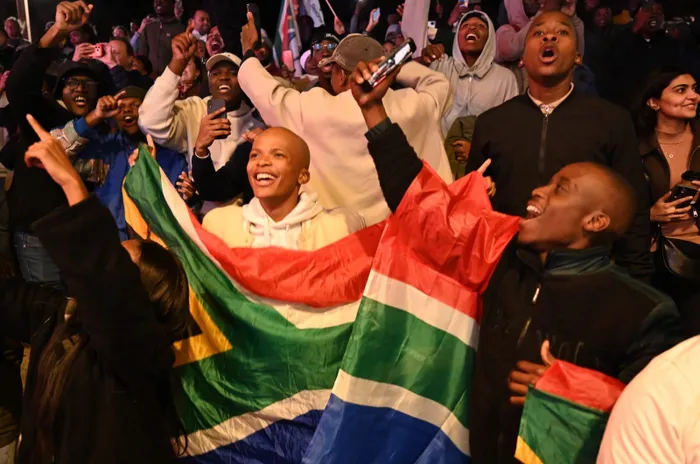
The fashion, celebrations and fan moments that defined South Africa’s 2026 Fifa World Cup adventure showed how deeply the tournament connected with everyday life.
Image: Photographer Ayanda Ndamane/ANA Studios
South Africa’s 2026 Fifa World Cup adventure was shaped as much by what happened off the pitch as the historic run to the Round of 32.
Bafana Bafana made history by reaching the knockout stage for the first time, but it was the colour, sound and energy of the fans that turned the campaign into a shared cultural moment across Mzansi and beyond.
Even in a 1-0 exit defeat to Canada in Los Angeles, the atmosphere around the team remained full of pride, joy and memory-making scenes that felt bigger than football.
Fashion played a central role in how South Africans showed up on the world stage.
Fans arrived in North America dressed in a mix of heritage wear and modern football style. Traditional prints, beadwork and cultural attire were common sights in stadiums and airports, reflecting identity and pride.
Supporters blended this with green, yellow and blue streetwear, with locally inspired fan gear becoming a must-have item throughout the tournament.
Flag scarves, retro jerseys and cultural wraps filled the stands, turning every match into a moving display of South African identity.
The celebrations back home became a defining feature of the tournament experience. Because of time zone differences, key matches often unfolded in the early hours of the morning.
When Thapelo Maseko scored the decisive goal against South Korea, streets across Soweto, Durban and Johannesburg came alive with fans in pyjamas, gowns and slippers rushing outside to celebrate.
The moment felt spontaneous and shared, as if the whole country had stepped outside at once to be part of history.
Radio stations played a big role in carrying the mood, with classic football songs and local favourites returning to heavy rotation.
Music and football merged into one celebration, with living rooms, taxis and street corners all echoing the same soundtrack of pride.
Inside stadiums and dressing rooms, clips of the team celebrating together added to the sense of unity, with dancing, singing and laughter reflecting a squad fully connected to the moment.
Fans also made their presence felt far from home. South African communities in cities like Los Angeles and Monterrey gathered in large numbers at fan parks and viewing areas, creating pockets of Mzansi atmosphere in foreign cities.
Vuvuzelas were banned at this year's tournament, but supporters used chants and songs like “Shosholoza” to fill the air, often surprising local crowds with their volume and rhythm.
When the final whistle came against Canada, the mood shifted but did not fade.
Fans inside the stadium and watching across South Africa responded with applause and appreciation for a team that had gone further than ever before.
It was a farewell marked not by silence but by pride, closing a chapter that felt as emotional as it was historic.