

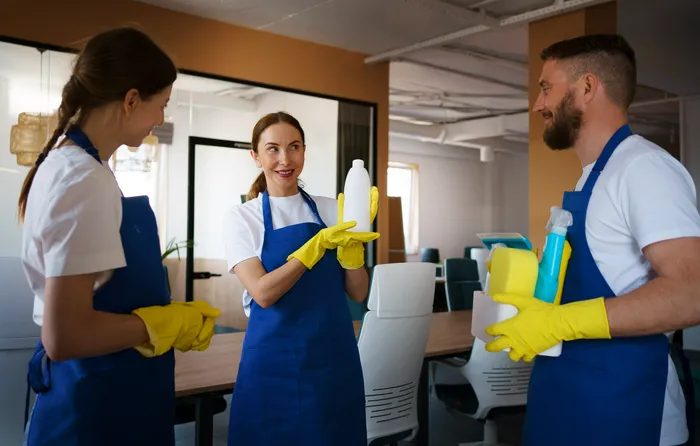
With the visibility of hygiene standards on the rise, SMEs must adapt their cleaning practices into robust risk management strategies or risk facing the consequences. Ignoring the issue not only jeopardises health compliance but also threatens long-term business sustainability.
Image: Supplied.
As South Africa navigates its way through a bumpy start of 2026, the importance of cleaning standards is evolving at a rapid pace.
For large corporations, hygiene protocols have already transcended being mere operational tasks and have entered the realm of governance, appearing prominently in corporate Risk Registers.
However, for many small and medium enterprises (SMEs), the reality remains starkly different, a continuation of treating hygiene as little more than a ‘grudge purchase’.
This shift towards treating cleanliness as a compliance and risk management issue has been accelerated by the Covid-19 pandemic, which has highlighted the critical nature of hygiene in both public health and business sustainability.
Yet, SMEs often lag behind, viewed primarily as operational costs rather than essential components of a risk management strategy.
“When margins and cash flow are tight, business owners can’t help but put all their focus on revenue generation,” said Jeffery Madkins, Marketing Manager for Unilever Professional.
With the visibility of hygiene standards on the rise, SMEs must adapt their cleaning practices into robust risk management strategies or risk facing the consequences. Ignoring the issue not only jeopardises health compliance but also threatens long-term business sustainability.
Image: Supplied.
“Cleaning is simply operational; but when you strip away emotion and look purely at risk, the numbers tell a different story.”
Madkins argued that it isn’t negligence but rather a matter of perspective that keeps many SMEs from realising the fully-fledged risks associated with inadequate cleaning practices.
With tangible consequences for non-compliance that range from hefty fines to reputational damage, small businesses cannot afford to overlook hygiene anymore.
The risks associated with neglecting cleaning hygiene may seem abstract on the surface, but they can manifest into very real challenges ripe for exploitation by opportunistic stakeholders, such as:
“For a small or medium-sized business, even a short closure period can be catastrophic. A few days without revenue can undo years of hard work; a few weeks can close doors,” Madkins said.
Cleaning standards will be about accountability, transparency, and evidence in 2026.
It is no longer sufficient for SMEs to merely state that they maintain hygiene; they will need to prove it.
Documentation, safety data sheets, and evidence of staff training will transition from optional to obligatory.
So, how can business owners ensure they are prepared for this upcoming paradigm shift?
Madkins offered several practical steps:
Cleaning standards have transformed from a matter of simple appearance to being essential in protecting the businesses that owners have devoted their lives to building.
The risks associated with poor hygiene practices do not diminish simply because a business is smaller.
“This isn’t about adding complexity but rather about implementing simple systems that protect your people, your reputation, and your right to operate. In 2026, hygiene will no longer be invisible; it will be measurable, auditable, and ultimately manageable,” Madkins added.
Follow Business Report on Facebook, X and on LinkedIn for the latest Business and tech news.