

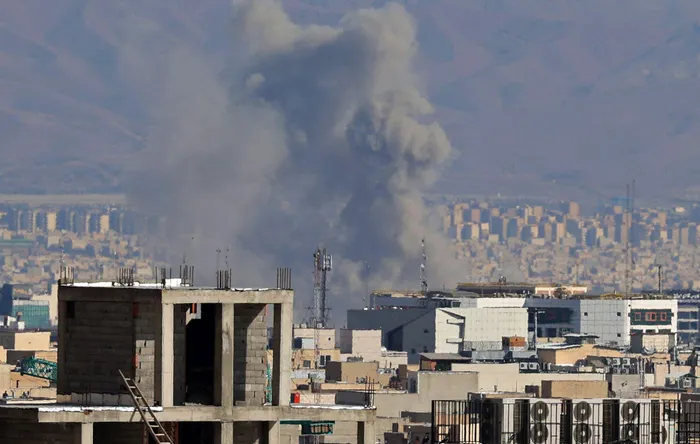
How is the ongoing conflict in the Middle East reshaping the landscape for South African SMEs? Discover the tangible impacts and strategies for resilience in this insightful analysis.
Image: Atta Kenare / AFP
The ongoing conflict in the Middle East is affecting economies far beyond the region, and South African small and medium-sized enterprises (SMEs) are feeling the impact in tangible ways.
While media attention often focuses on oil prices and international diplomacy, local SMEs face disruptions that threaten their operations, cash flow, and long-term growth.
In a country where SMEs account for 60% of employment, understanding these challenges and responding proactively is critical.
One of the most immediate effects is on supply chains.
Many South African SMEs rely on imported raw materials, components, or finished goods from the Middle East and surrounding regions.
Delays at ports, increased shipping costs, and rising insurance premiums for international cargo all translate into higher production costs and slower delivery times.
For businesses using on tight inventory margins, such disruptions can stall production and undermine client relationships.
Rising global commodity prices, especially for fuel and metals, further worsen the cost pressures faced by local SMEs.
Market demand is another area of concern. Economic uncertainty tends to reduce consumer confidence, and South African households already under pressure from inflation may cut back on discretionary spending.
SMEs in sectors such as manufacturing, retail, and technology may see orders decline. Export-oriented businesses are also vulnerable.
Any disruption in global trade routes or fluctuations in foreign exchange rates can make exports more expensive or less competitive.
At the same time, local banks and financial institutions often become more risk-averse during times of international conflict, making loans and working capital financing harder to access.
Despite these challenges, South African SMEs can adopt strategies to increase resilience. Diversifying suppliers and sourcing from politically stable regions within Africa or locally can reduce reliance on conflict-affected areas.
Businesses should also explore new markets for products and services to reduce dependence on traditional buyers.
Financial management is crucial.
SMEs should focus on maintaining liquidity, renegotiating payment terms with suppliers, and exploring government-backed SME support programs.
Hedging against currency fluctuations and planning for commodity price increases can provide an added safety net.
Technology and digital tools are vital in navigating uncertainty. South African SMEs can use e-commerce, digital marketing, and remote work solutions to maintain operations even when supply chains are affected.
Data analytics can help predict demand changes, manage inventory, and improve business processes, allowing SMEs to make more informed decisions in volatile times.
Collaboration and networks also play a key role. South African SME associations, business chambers, and regional networks provide information, shared resources, and collective bargaining power.
Peer learning about alternative sourcing, risk management, and financial strategies can help smaller businesses absorb shocks that might otherwise threaten their survival.
The Middle East conflict reminds South African SMEs that global events can have local consequences.
However, with strategic planning, financial discipline, and operational agility, these businesses can not only survive but appear stronger. In a world where global instability is increasingly common, the SMEs that adapt quickly will be the ones that continue to create jobs, drive growth, and contribute to the resilience of the South African economy.
Zemvelo Ndlovu is the head of marketing and an ESD specialist at Brandscapers Africa.
Follow Business Report on Facebook, X and on LinkedIn for the latest Business and tech news.