

Explore how apartheid systematically dismantled the potential for a Black entrepreneurial class in South Africa, revealing the hidden barriers that continue to affect economic justice today.
Image: File.
Apartheid did not merely segregate people. It systematically crushed the possibility of a Black entrepreneurial class.
When I began to understand this at university, the realisation was strangely liberating.
For years the narrative implied that Black South Africans simply had not built businesses or wealth on their own.
The truth was far more disturbing.
It was not a lack of agency. It was the deliberate removal of it.
My mother often told me how white traders would drive into Soweto to sell goods to Black residents in the township. Even as a child the story sounded absurd to me. How could people living in a community of hundreds of thousands not be the ones selling to each other?
Licensing laws, zoning restrictions, and urban planning policies tightly controlled who could trade, where they could trade, and what they could sell.
Economic participation was regulated to ensure that Black people remained consumers and labourers rather than owners.
Mining and industrial companies depended heavily on the migrant labour system. Black men were housed in single sex compounds near the mines while their families remained in rural areas.
This arrangement ensured a steady supply of cheap labour while shifting the social costs of family life, care and survival onto rural households.
In practice, this meant that Black women in rural areas carried an enormous invisible burden.
They sustained families, raised children and absorbed the instability of migrant incomes. Some scholars have described them as the unpaid welfare state of apartheid.
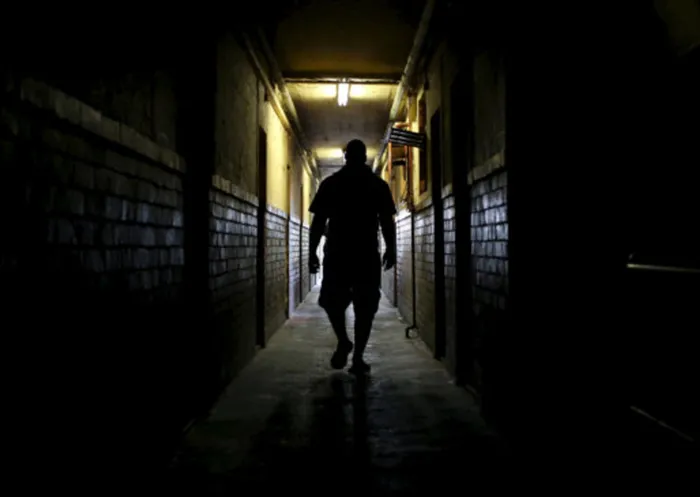
The design of the townships themselves reveals the intention. They were never meant to be places of commerce or opportunity.
They were deliberately constructed as labour dormitories.
The result was that many Black-owned businesses could exist only as survivalist enterprises serving local communities rather than as scalable, formal enterprises integrated into the broader economy.
This historical reality matters, because entrepreneurship does not emerge overnight. It develops through networks, inherited capital, education and market access, resources that apartheid systematically denied to the majority of the population.
With the end of apartheid, South Africa entered a new era in which policies like Broad-Based Black Economic Empowerment (BBBEE) sought to dismantle the structural barriers and concentrated networks of wealth that had long excluded Black entrepreneurs.
Broad-Based Black Economic Empowerment (BBBEE) was a strategic necessity to dismantle the "old-boys networks" of the autarchy era. During the 1980s, five large conglomerates controlled a staggering 80% of the Johannesburg Stock Exchange (JSE). Breaking this concentrated accumulation is the central challenge for Black women entrepreneurs today.
Mbeki’s concept of the "Second Economy" remains a lived reality. It is a structurally disconnected space of underdevelopment, still suffering from the "Shadow of History”.
This geography continues to impose high transaction costs and limited market access for many small and medium enterprises.
The effects of the education system are equally enduring.
The deliberate denial of quality education and technical training under the Bantu Education Act created a generational skills deficit, particularly in high skill sectors where global capital, often driven by asset specificity, is most likely to invest.
In addition, the concentration of wealth that emerged during the era of economic isolation and conglomerate dominance still shapes market access today.
Many new Black owned businesses are not simply competing in open markets but are attempting to enter value chains that were historically structured in ways that excluded them.
History provided the hostel systems and the Sullivan Principles that attempted to bring a measure of morality to a racist machine.
I see this era as one of reclamation. Reclaiming the meaning of economic freedom.
We are analysts, founders, policymakers and investors helping to shape the next chapter of the South African economy.
But if Human Rights Day is to mean more than symbolism, it must also encourage a deeper reflection on the hidden architecture of our economic system.
The question is not only whether we have the right to vote, but whether we have truly dismantled the structures that once determined who could own, who could build and who could prosper.
South Africa has travelled far since 1994, yet the journey from political freedom to economic justice is still unfolding, and the entrepreneurs building businesses today are helping to write the next chapter of that story.
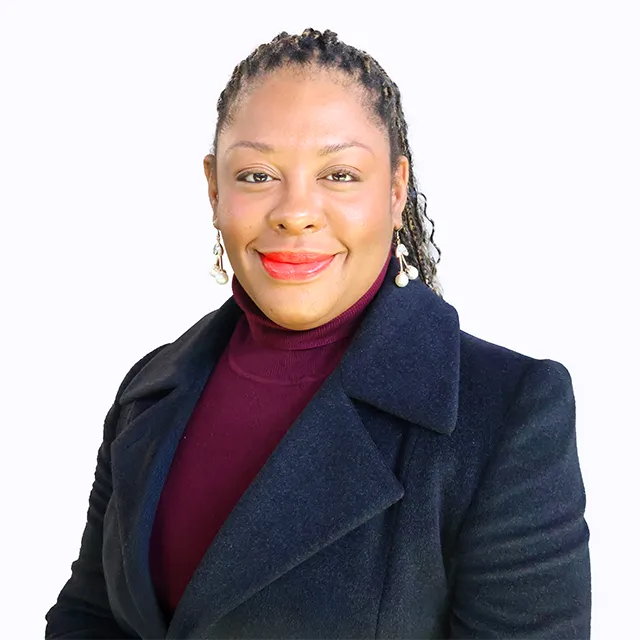
Boitshoko Shoke is the research and impact manager at 22 On Sloane.
Image: Supplied.
Boitshoko Shoke is the research and impact manager at 22 On Sloane.
Follow Business Report on Facebook, X and on LinkedIn for the latest Business and tech news.