

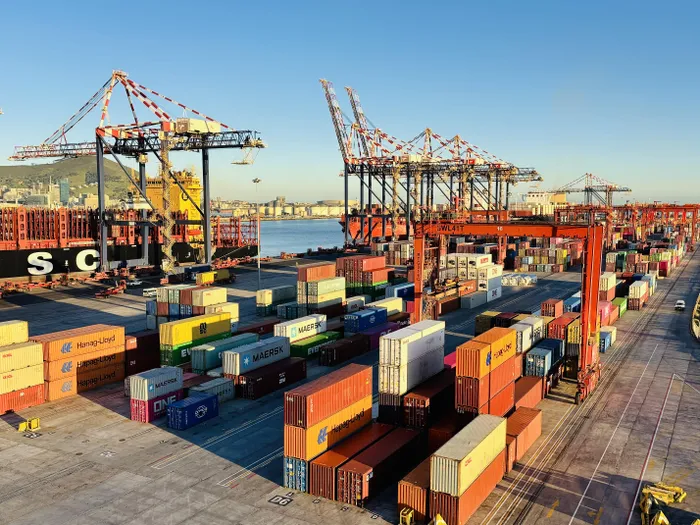
AgriSA's latest Quarterly Trade Report which analyses agricultural and agro-processed products released on Monday indicated that South Africa's agricultural sector recorded a trade surplus of $1.55 billion (R24.7 billion) in the first quarter of 2026.
Image: File
South Africa’s agricultural sector recorded a record trade surplus of $1.55 billion (R24.7 billion) in the first quarter of 2026, marking the highest first-quarter surplus in the country’s agricultural trade history, according to AgriSA’s latest Quarterly Trade Report.
The report, released on Monday, shows that the surplus was 16.1% higher than the corresponding period in 2025.
Total agricultural exports reached $3.30bn (R49bn), remaining broadly unchanged from a year earlier, while imports declined by 10.6% to $1.76 billion (R28bn), significantly improving the trade balance.
However, AgriSA cautioned that the record surplus was largely driven by lower import costs rather than strong export growth, highlighting the need to sustain efforts aimed at expanding export markets and increasing sales abroad.
The report underscores the continued importance of South Africa’s horticultural industry, which accounted for 55% of all agricultural exports during the quarter.
Products such as grapes, apples, pears, citrus, berries, wine and tree nuts were among the strongest performers, reinforcing horticulture’s role as the backbone of the country’s agricultural export economy.
AgriSA said the sector remains a vital contributor to foreign exchange earnings, employment creation and market diversification. The strong performance of horticultural exports also reflects growing international demand for South African produce in key global markets.
Despite the positive trade figures, the report highlighted several challenges facing the sector. Foot-and-Mouth Disease (FMD) continues to restrict livestock exports, particularly to lucrative markets in the Middle East and Asia. These biosecurity concerns have limited South Africa’s ability to fully capitalise on growing demand for animal products in international markets.
The report also noted a sharp decline in exports to the United States, which fell by 39.9% during the first quarter. In addition, concerns were raised about increasing export concentration in a small number of markets and subsectors, leaving the industry vulnerable to disruptions in key trading destinations.
AgriSA CEO Johann Kotzé said the results demonstrate the resilience and competitiveness of South African agriculture despite a challenging global trading environment.
“While the record trade surplus is positive, it also highlights the importance of strengthening export growth, safeguarding market access, and resolving biosecurity challenges such as FMD.”
Kotzé added that long-term success will depend on their ability to diversify export destinations, maintain trusted trading relationships, and create an enabling environment for producers to remain globally competitive.
BUSINESS REPORT