

StatsSA said the increase marked the biggest jump in inflation since August 2024, when headline inflation reached 4.4%, and moved further away from the Sarb’s 3% inflation target.
Image: File image
South Africa’s inflation outlook has deteriorated sharply after consumer inflation accelerated to 4% in April from 3.1% in March, intensifying expectations that the South African Reserve Bank (Sarb) could raise interest rates at next week’s Monetary Policy Committee (MPC) meeting.
According to data from Statistics South Africa (StatsSA), the increase marked the biggest jump in inflation since August 2024, when headline inflation reached 4.4%, and moved further away from the Sarb’s 3% inflation target.
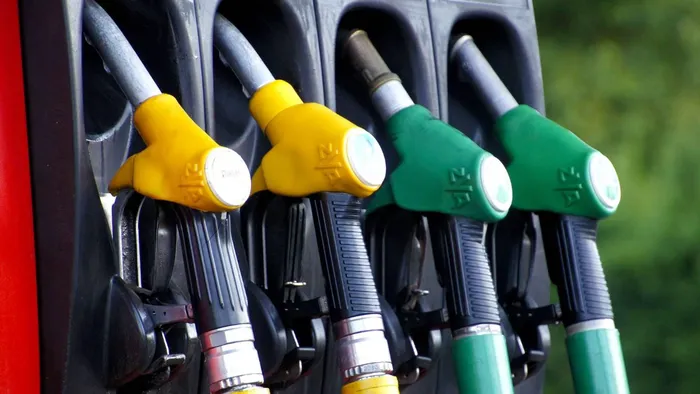
StatsSA chief director of price statistics, Patrick Kelly, said the sharp rise was largely due to soaring fuel costs.
“The index for fuel rose by 18.2% from March, the steepest monthly increase since the current CPI series started in 2008," Kelly said.
"Petrol prices were up by 15.2% and diesel by 35.4%. The price for inland 93 Octane petrol rose to R23.25 a litre, the fifth largest increase for this grade in 50 years and the largest this century.”
Kelly also said the price of an air ticket jumped by a further 24.5%, the largest monthly increase in airfares since March 2008.
Economists warned that rising fuel costs linked to the Middle East conflict, mounting transport expenses and growing pressure on administered prices are likely to keep inflation elevated in the coming months, with some forecasts now pointing to inflation nearing 5% during the second quarter.
According to FNB senior economist Koketso Mano, the April inflation print came in above expectations and reflected broadening price pressures across the economy.
"Energy inflation remains the most prominent upside risk in the near term, with the Middle East conflict pushing up the cost of petroleum-related products while Eskom’s latest electricity tariff increases filter through to the economy," Mano said.
"Government’s intervention through the R3 per litre general fuel levy reduction partially cushioned the fuel price increase in April and we assume similar support will be extended for one more month."
However, Mano said even with this, month-to-date indications are for another R2 per litre and R7 per litre increase in petrol and diesel prices in May, respectively.
"Understandably, limited fiscal buffers narrow the scope for further or prolonged relief, leaving inflation exposed to fuel price pressures," she said.
Nedbank also warned that inflationary pressures were broadening, particularly in transport, housing and utilities.
Johannes (Matimba) Khosa, Nedbank economist, said all these pressures were expected to offset ongoing disinflation in food prices whilst administered prices will continue to exert upward pressure on inflation.
Khosa said they were forecasting headline inflation to peak around 5% in the second quarter before gradually easing in the second half of the year.
"Even if the conflict is resolved soon, supply chains would likely take several months to normalise. These pressures significantly increase the risk of second-round price effects and rising inflation expectations," he said.
"Consequently, we believe that the Sarb will adopt a proactive stance to counter emerging inflationary pressures by hiking interest rates by 25 basis points."
Lerato Ntuli, an economist at Anchor Capital, concurred that global oil prices are expected to remain elevated should the Iran conflict persist, sustaining pressure on fuel costs.
Ntuli said the reinstatement of the general fuel levy between June and July 2026 is expected to add to inflationary pressures in the coming months.
"Food inflation eased to 2.9% year-on-year versus 3.6% in the previous month. However, we note that South Africa remains exposed to weather-related risks," she said.
"The potential emergence of an El Niño weather phenomenon in late 2026 could reduce agricultural output and increase food prices, thereby compounding the impact of supply-side disruption due to the Middle East conflict."
Professor Raymond Parsons, a North-West University Business School economist, also warned that these negative cost trends inevitably put increased pressure on business and households in the months ahead.
"The committee must decide whether to raise interest rates now to counter inflation," Parsons said.
"The approach of most central banks has been to “wait and see” and initially look through supply shocks until there is clear evidence that the oil increase is feeding into wages, prices, and expectations," he said.
BUSINESS REPORT