

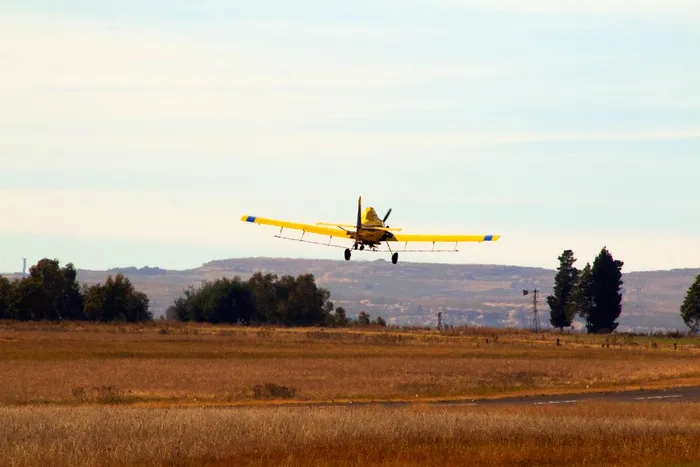
Absa AgriBusiness in their fifth year Absa AgriTrends report released on Tuesday said that rising input costs in the agricultural sector are being aided by Middle East tension.
Image: Nicola Mawson | IOL
Rising geopolitical tensions in the Middle East are beginning to filter through to South Africa’s agricultural sector, with the latest Absa AgriTrends report warning of escalating input costs, supply chain disruptions, and mounting pressure on both producers and consumers.
In its fifth annual report released on Tuesday, Absa AgriBusiness said the ongoing conflict is already affecting the local agricultural value chain through higher fertiliser and fuel costs, as well as logistical challenges linked to global trade routes.
According to Loffie Brandt, senior executive at Absa AgriBusiness, the most immediate impact is being felt through rising input prices.
Fertiliser costs, in particular, have surged sharply, with urea—a key input used to boost crop yields—reaching its highest levels in years, trading above $650 (R10 638) by early April.
Brandt said that producers who have not secured their fertiliser stock will face higher costs and tighter supply availability as global supply chains remain strained.
“With petrol and diesel prices respectively climbing by around 15% and 40% per litre month-on-month in April, producers entering planting or harvesting season will face cost pressures as diesel consumption typically peaks during these times," he said.
"Rising fuel prices also carry wider inflationary effects across the economy and may delay anticipated interest rate cuts.”
In addition, Brandt said, although producer margins may tighten in the near term, elevated freight and fuel costs are likely to be reflected in final pricing.
“Producers will need to adapt operations to shifting cost structures while maintaining quality and supply consistency.”
Brandt noted that logistical disruptions materially elevate the cost and risk profile for South African exporters who face higher freight costs, driven by elevated bunker fuel surcharges, doubled surcharges on some routes, and restricted vessel availability.
“Longer transit times also raise the risk of fruit arriving in poor condition, potentially missing optimal market windows. At the same time, diversions to alternative markets may result in reduced revenue for producers,” he said.
While demand for South African produce in the Middle East currently remains firm, exporters should prepare for a volatile trading environment if the conflict persists for a prolonged period.
Brandt said the local agriculture sector has demonstrated its resilience and ability to adapt to changing market conditions in an agile manner over the years and despite current challenges, there are also opportunities.
The current outlook for citrus exporters is favourable. EU markets in particular look promising and for oranges specifically, duty-free access to the US and tightening Northern Hemisphere supply is expected to contribute to a favourable pricing environment.
Brandt added that, harvesting for apples and pears is currently in full swing – pear harvesting of late varieties usually ends in April, while apples continue until May.
“Apples can be successfully stored for 4-6 months and pears for 2-4 months. This could enable producers to wait for a better opportunity to export.”
However, Brandt said one of the most immediate impacts of the conflict will be rising food prices for South African households.
“Higher oil and diesel prices have a ripple effect on the food supply chain as it impacts operational costs related to farm machinery, fertiliser production, transport, cold storage and ultimately prices on supermarket shelves.”
Brandt concluded that for consumers, this means a steady erosion of purchasing power as the cost of staples climbs.
“The burden will fall most heavily on lower-income households, which already spend a sizable portion of their income on food, forcing difficult trade-offs such as reducing protein intake or cutting back on other essentials," he said.
"In effect, the conflict risks turning food inflation into a regressive tax on the most vulnerable, deepening cost-of-living pressures even if broader inflation eventually stabilises.”
Business Report previously reported that Omnia Holdings CEO, Seelan Gobalsamy, said that the crisis in the Strait of Hormuz and the Middle East had already in some countries resulted in the price of fertiliser increasing by up to 70%.
He said in an interview that while these price increases may take some months to materialise in this country as existing stock is used up, the group, had already taken steps to further diversify its sources of ammonia, which is a key gas required to make these products.
BUSINESS REPORT