

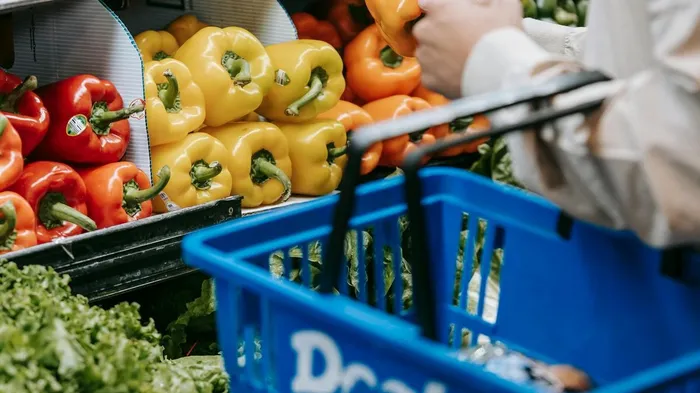
Civil society groups and the Pietermaritzburg Economic Justice and Dignity Group (PMBEJD) have warned that the increase in fuel prices will lead to higher food prices, putting consumers under strain
Image: Pezels
Civil society groups have raised alarm over the impact of rising fuel prices on food affordability, warning that the knock-on effects will deepen financial strain on South African households, particularly the most vulnerable.
Groups including the Pietermaritzburg Economic Justice and Dignity Group (PMBEJD) say recent increases in diesel and petrol costs are likely to drive up food prices in the coming months, reversing recent gains in affordability and placing additional pressure on already stretched consumers.
Evashnee Naidu, KwaZulu-Natal regional manager of Black Sash, on Tuesday said there is growing concern about further fuel hikes, especially given ongoing global instability.
“Particularly the steep increase in diesel is concerning as this impacts the transport of goods within South Africa like food items," she said.
"Given the ongoing global crisis and the possibility that this might not be resolved in the short term, it is the households of the most impoverished and social grant recipients who will feel the brunt and impact of this.”
Naidu warned that rising costs will push vulnerable households deeper into hardship, affecting not only their ability to afford food but also access to healthcare, job-seeking opportunities, and broader economic participation.
“Whilst we note the immediate response from the government to decrease the fuel levy to provide some cushion, this is still insufficient to adequately protect the poorest of the poor.”
Mervin Abrahams, director at PMBEJD, said that diesel is regarded as the lifeblood of economic activity in the country, more importantly in the field of agriculture.
“It is used by farmers to power their equipment whether during planting or harvesting, so an increase in diesel is certainly bound to have a major impact on the entire food system and food prices.”
Abrahams added that the positive decrease in some food prices during March Household Affordability Index could now see an increase in food prices.
“It is very concerning especially because we had seen some food items decreasing in prices and had been hoping for the trend to continue in order to ease the burden on both middle and low-income earners.”
“While the situation will be difficult for middle-income earners, it will be more dire for low-income earners. The situation in the Middle East is concerning because we have already seen a rise in fuel prices and if the conflict is not resolved, we will see a rise in food prices.”
Siyanda Baduza, a basic income researcher at the Institute for Economic Justice (IEJ), said that the R7 per litre increase in diesel follows fuel levy hikes, which were previously mitigated to provide consumer relief.
“Since an external factor drives this change, it is impossible to guarantee this will be the only increase. Diesel prices affect transportation costs and food prices through increased logistics," Baduza said.
"Higher fuel prices also impact paraffin prices, which disproportionately affect poorer communities. Overall, this context points to an increased cost of living for everyday South Africans.”
Baduza added that social grants provide protection for as many as 50% of these households. Social protection, in the most literal sense, is intended to function as a buffer against these unexpected increases.
“Ideally, it works as insurance to ensure that if a crisis occurs, people can still afford their basic needs. Unfortunately, it does not work well in South Africa, where the largest grants fall below all objective measures of need.”
Baduza said that amounts of R580 and R370 are already too little to provide for unemployed people and children in a normal context; in the coming crisis, their effectiveness will be even more blunted.
“They are effective tools to alleviate poverty, but they only work if they are at dignified levels. An increase in these grants would act as a far more effective buffer than minor fuel levy forgiveness.”
BUSINESS REPORT