

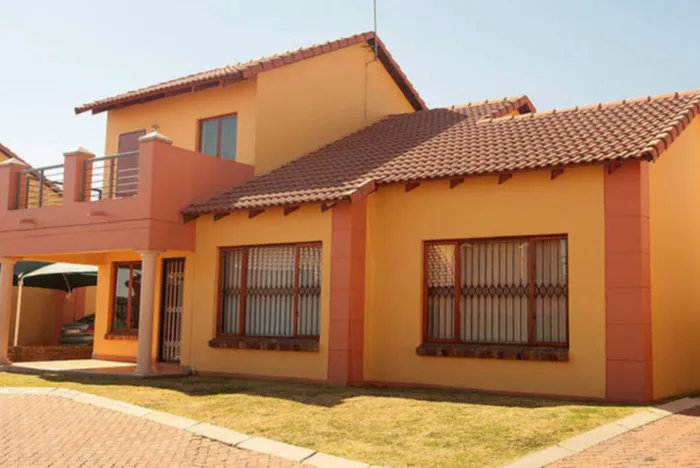
A new report by a Unisa Professor indicated that besides an increase at petrol pumps rising oil prices can also have a major negative impact on the residential property market.
Image: Simphiwe Mbokazi
A new report from a University of South Africa( (Unisa) economist has warned that surging global oil prices could have far-reaching consequences beyond the fuel pump, placing renewed pressure on South Africa’s residential property market.
Professor Simphiwe Madikizela, an adjunct academic at the Unisa, said rising crude oil prices are increasingly shaping household finances and economic conditions that directly affect housing affordability.
“While crude oil is traded on global markets, its economic ripple effects reach deeply into household finances.”
Higher fuel costs raise transport and production expenses, which in turn push up the price of goods and services. This fuels inflationary pressures, often prompting central banks such as the South African Reserve Bank (Sarb) to maintain elevated interest rates in an effort to stabilise prices.
Madikizela explained that interest rates are a critical determinant of housing affordability.
“When rates rise or remain elevated, mortgage repayments become more expensive. This reduces the purchasing power of homebuyers and slows activity in the property market.”
For many South African households, even small rate changes can significantly affect their ability to qualify for home loans. If oil prices remain high for an extended period, the resulting inflation could delay anticipated rate cuts, prolonging pressure on the housing sector.
The impact is not limited to buyers. The construction industry is also highly exposed to fuel costs, particularly diesel, which is essential for transporting materials such as cement, bricks and steel. Rising energy costs also increase the price of manufacturing construction inputs.
“As diesel prices rise, the cost of moving these materials increases, while energy-intensive manufacturing processes used to produce construction materials also become more expensive,” he said.
“Developers often respond by increasing the price of new housing developments or delaying projects until economic conditions improve. Over time, this can limit the supply of new housing, particularly in rapidly growing urban areas.”
Changing fuel costs may also reshape where people choose to live. With commuting becoming more expensive, buyers are increasingly likely to prioritise properties closer to workplaces, transport hubs and essential services — a shift that could gradually alter South Africa’s urban landscape.
Industry players have echoed concerns about the knock-on effects of oil-driven inflation.
Samuel Seeff, chairman of Seeff Property Group, said the most immediate risk lies in the potential for interest rate hikes.
“The Reserve Bank must hold the rate unchanged to maintain stability in the economy and property market. It will be a disaster for the economy and housing market if the bank introduces a hike at this stage, especially given that the oil price hike is temporary.”
He added that the interest rate remains the single most important driver of demand, particularly in the price-sensitive segment below R1.5 million, where buyers are highly vulnerable to borrowing cost increases.
Dr Andrew Golding, CEO of Pam Golding Property Group, said the severity of the impact will depend largely on how long elevated oil prices persist.
“If the current disruptions persist for several months, the risk for a more systemic impact increases. Sustained elevated fuel costs could push inflation closer to the upper end of the inflation target range (around 4% or higher), prompting the Sarb to potentially keep rates higher for longer and, if so, will probably rule out further rate cuts in the short term,” he said.
In a prolonged scenario, he warned, the economy could face stagflation, a combination of rising inflation and weak growth, which would further dampen consumer confidence and housing demand.
“The Sarb is hopefully likely to remain measured, recognising that this is an externally driven shock and aiming to avoid over-tightening in a subdued growth environment,” Golding said.
“Overall, while rising oil prices introduce clear upside risks to inflation and interest rates, the situation becomes more concerning only if disruptions are sustained over an extended period.”
BUSINESS REPORT