

As global events continue to influence local economics, understanding how to navigate these turbulent waters may be the difference between financial stability and uncertainty for many South Africans. Read on for actionable insights that could safeguard your household finances in challenging times.
Image: Tumi Pakkies / Independent Newspapers
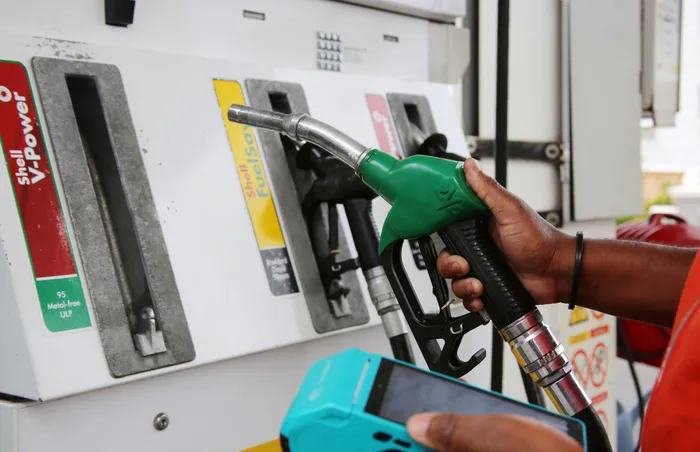
As global oil prices surge due to ongoing conflict in the Middle East and the weakening rand, South African consumers brace for an unprecedented fuel price hike starting in April.
Experts warn that what may seem like a mere increase at the petrol pump will have far-reaching repercussions on household budgets, with essential goods and services becoming increasingly unaffordable.
Salem Nyati, a Consumer Financial Education Specialist at Momentum Group Foundation, voiced his concerns over the anticipated fuel price spike, which may see petrol rise by nearly R4 a litre and diesel surging over R6.
"When you’re looking at petrol potentially rising significantly, it doesn’t just hit your tank, it feeds directly into the cost of food, transport and almost every essential in your monthly budget," he said.
This looming financial pressure follows a familiar trajectory in South Africa’s economy: sharp increases in fuel prices often correspond with a rise in inflation, forcing already strained households to tighten their belts further.
Nyati highlighted the concerning trend of consumers resorting to credit to alleviate immediate financial burdens.
"The risk now is that many consumers try to bridge the gap with credit, and that’s where the real danger lies," he said.
Consumers are not only grappling with rising living costs but also with the pitfalls of mismanaged credit.
Nyati stressed that there is a big difference between what lenders deem affordable and what individuals can realistically sustain, especially when financial conditions become more stringent.
"Too many people build their finances around a 'good month' scenario, and when costs spike like this, that structure collapses," he added.
Given these challenges, Nyati has provided practical guidance for consumers looking to navigate the forthcoming financial storm:
"This is one of those moments where small financial decisions over the next 2-3 months will determine whether households stay stable or start sliding into debt," said Nyati, urging consumers to adopt a proactive approach to their financial planning.
Follow Business Report on Facebook, X and on LinkedIn for the latest Business and tech news.