

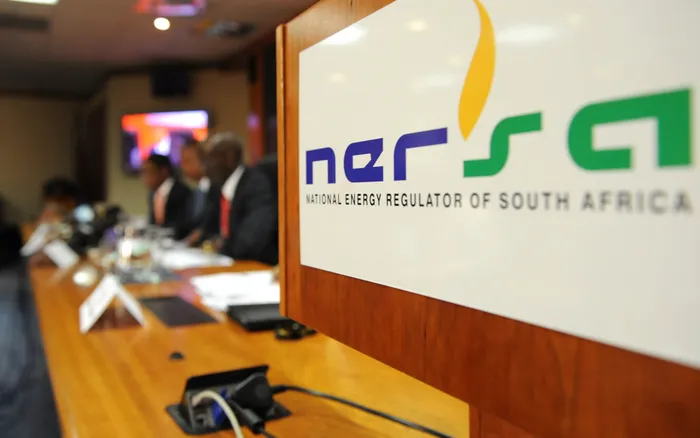
There have been mixed reactions from energy experts and communities on the implications after the National Energy Regulator of South Africa (NERSA) announcing on Tuesday that they had approved an average tariff increase of 8.76% for Eskom direct customers and 9.01% for municipalities.
Image: Supplied
There have been mixed reactions from energy experts and communities on the implications after the National Energy Regulator of South Africa (Nersa) announcing on Tuesday that they had approved an average tariff increase of 8.76% for Eskom direct customers and 9.01% for municipalities.
Nersa said that the approved standard tariff increase of 8.76% will be implemented from April 1 , 2026 until March 31 , 2027 for Eskom direct customers, and the 9.01% increase will be implemented from 1 July 2026 until 30 June 2027 for municipal customers.
Ruse Moleshe, the managing director of RUBK, an energy and infrastructure consulting and advisory firm, said that the electricity tariff increase recently approved by Nersa adds to further pressure to South African households and businesses that have already been facing sustained electricity price increases for more than a decade.
“Rising power tariffs erode household affordability while increasing input costs for industry. This can dampen investment, production and job creation. The impact could also be compounded by broader cost pressures in the economy, including expected petroleum product prices from 1 April, linked to risks and market volatility arising from the conflict in the Middle East,” Moleshe said.
Moleshe added that together, these developments risk intensifying inflation and reducing income availability, particularly for poorer households who already spend a disproportionate amount of their income on energy. At the same time, if the electricity tariff increases are not implemented, this could impact on the sustainability of the industry (Eskom), with negative consequences for the economy.
Action SA Councillor Alice Govender, from Phoenix in Durban, said that electricity is not a luxury — it is an essential service that allows people to live with dignity, run businesses and participate in the economy.
“Any electricity increase above CPI is simply unacceptable. Households and businesses are already under immense financial pressure, and continuous increases in electricity costs place an even heavier burden on communities that are barely coping,” Govender said.
Govender added that the way finances are managed in this country leaves a lot to be desired and has created poverty on a grand scale. The government must start finding the money from its own savings instead of taking it from the pockets of struggling residents.
eThekwini Ratepayers Protest Movement (ERPM) Deputy Chair Rose Cortes said that tariffs have increased exponentially year on year. "9% for the municipality means we have to wait for their profit margin increase before we know what we are paying. But effectively we are dealing with yet another double-digit increase. For a utility that has failed and fumbled. In the meantime, we note the extreme concern around the diesel dependence of this utility to keep the lights on. The uncertainty surrounding fuel prices and projections of those prices since this war broke out means that there is a disconnect between these structures and the affordability crisis they are clearly ignoring.”
Professor Vally Padayachee, an energy expert and former Eskom generation executive, said that the recent tariff increases approved for Eskom by Nersa are set to significantly impact various customer segments, the broader economy, and energy dynamics across the nation. “The industrial sector, a substantial consumer of electricity, will encounter heightened operational costs due to the increased tariffs. This situation is likely to compel manufacturers to pass these costs onto consumers through higher prices for goods.”
Padayachee added that businesses in the commercial category will also face elevated energy costs, adversely affecting their profit margins. The increased operational costs may necessitate innovation in energy efficiency or automation; however, smaller firms, with less flexibility, might be disproportionately impacted, resulting in diminished competitiveness in the market.
“Higher electricity prices will strain the budgets of residential users, particularly for low-income households. Many families may struggle to meet basic needs, leading to cutbacks in other essential areas. This could exacerbate energy poverty, as families may either reduce their electricity usage or turn to alternative, often illegal, energy sources to cope with rising costs,” he said.
Padayachee concluded that Nersa's decision to implement these tariff hikes comes at a challenging juncture for many consumers and businesses, intensifying existing issues related to energy poverty and grid reliability. The ramifications of these increases extend across the economic landscape, presenting obstacles to growth and innovation while increasing the likelihood of illegal activities linked to electricity access. Policymakers must address these complex challenges to ensure a stable and equitable energy distribution system that fosters, rather than hinders, economic and social development in South Africa.
BUSINESS REPORT