

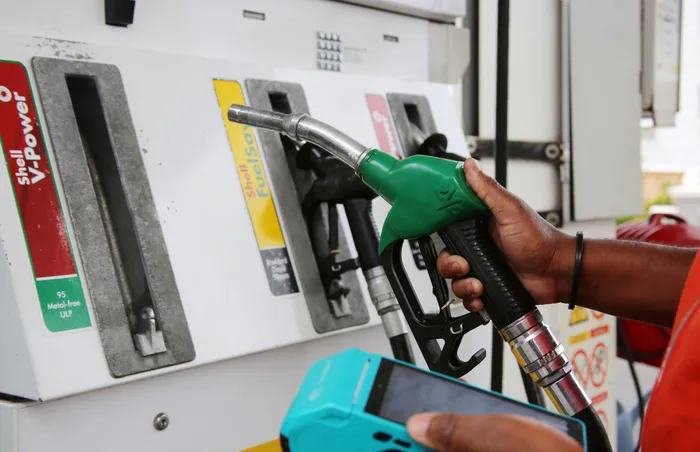
Alarm bells ring for South African consumers as fuel prices are projected to rise by nearly R8 per litre in April, driven by escalating tensions between the US, Israel, and Iran. Experts warn of significant inflationary impacts on the economy."
Image: Tumi Pakkies / Independent Newspapers
Alarm bells sounded for South African consumers this week with reports of an almost R8 per litre increase in fuel projected for April.
This came after the escalation of the conflict between the US, Israel and Iran that sent oil prices sky rocketing over the weekend.
Frank Blackmore, lead economist at KPMG South Africa said that the war and the supply blockages of oil through the strait of Hormuz led to increases in the oil price from around $68 prior to the start of the war to around $105 barrel currently, translating to about a 54% increase.
Blackmore told Business Report, "At the same time, we have seen the currency depreciate from R15.92 all the way to R16.75 currently, around 5%depreciation. What this means for the fuel prices, is that the basic fuel price will go up at an estimated 42%, and the new price would be around R5.30 higher for April than it would have been in March. This represents a 26% increase in prices to a level for 95 Octane inland that is still below the highest we saw a year or so ago at the height of inflation."
The economist said that for an R8 increase per litre to be implemented, the rand would have to depreciate further along with the price per barrel for oil to increase even further.
"If I look at the over or under recovery on the fuel price, currently it is nowhere near that R5 rate. Based on Friday’s prices, petrol prices were going to increase around R2.80 while diesel is slightly higher around that R5 increase mark. So, it is possible for fuel prices to increase as reported on the weekend to R8 but that would require a lot further depreciation in the rand, combined with a lot higher oil price at this point," Blackmore said.
"There is no real way for consumers to get around this, as fuel prices will impact the movement of all goods and services and therefore this will be quite broad-based and have an inflationary impact. Currently determined that direct impact is around 1% increase in inflation, that puts us at around 4.5% for April. This is an estimate as I am not taking into account what will happen to the other goods and services over this period of time," he further said.
Follow Business Report on Facebook, X and on LinkedIn for the latest Business and tech news.