

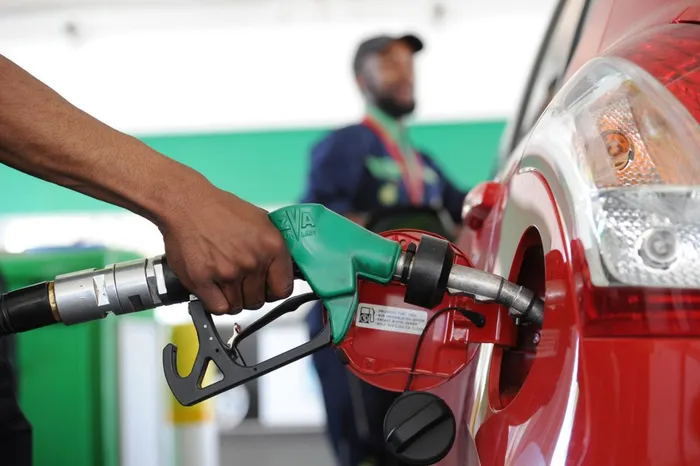
With fuel prices on the rise and an uncertain economy, South African households are urged to prepare and adapt to ensure they navigate these turbulent times effectively. The call is clear: proactive budgeting now can make all the difference in maintaining financial stability amidst looming cost increases.
Image: Karen Sandison / Independent Media
As South Africa prepares for an unprecedented petrol price increase in April, financial strain on consumers is set to reach critical levels.
This comes as the Central Energy Fund's latest data showed some worrying data for motorists with a fuel price increase in the next month, possibly being the the largest monthly fuel price increase in South African history.
Debt Rescue CEO Neil Roets said the possibility of the biggest petrol price increase in South Africa’s history could not have come at a worse time for financially strained consumers.
“South Africans are already battling with rising living costs, high interest rates and stagnant income growth. The prospect of petrol jumping by several rand per litre places enormous additional pressure on household budgets that are already stretched to the limit,” he said.
The conflict taking place between Iran, Israel and the US has sent oil prices into a spiral, putting strain on energy markets around the globe.
Roets added that the warning for motorists to brace themselves for major strain on their pockets highlighted the difficult financial reality facing many households.
“For millions of consumers, fuel is not just another expense. It affects how people get to work, transport their children, and ultimately the price of food and goods. When fuel prices rise sharply, it pushes up the cost of living across the entire economy,” Roets said.
He also pointed out that motorists will be hit by additional fuel taxes from April 1, adding further pressure.
“South Africans also have an added stressor in the equation, with fuel tax hikes coming into effect in April, adding another 21 cents per litre to the price of fuel. At a time when households are already cutting back on essentials, even small increases compound the strain.”
Roets said that the impact will extend far beyond the petrol pump.
“When fuel prices rise this sharply, transport costs increase, supply chains become more expensive, and those costs are passed on to consumers. It means everyday items, from groceries to services, become more expensive, further eroding already fragile household finances.”
He warned that price shocks of this magnitude can quickly push struggling consumers into financial distress.
“We often see that when fuel prices spike, households that were barely coping suddenly fall behind on repayments. For many South Africans, there simply isn’t enough room in the budget to absorb another major cost increase,” he added.
Roets advised consumers to start preparing their budgets now, even before the official April price is announced.
“If households expect that fuel could cost several hundred rand more per month, it’s important to plan ahead. Look at your monthly spending and identify where small adjustments can be made, whether it’s reducing discretionary spending, consolidating trips, or making better use of public transport or carpooling where possible. Even small changes can help cushion the impact.”
He said that the key is proactive budgeting rather than reactive panic.
“When major cost shocks hit, the households that cope best are the ones that adjust early. Planning ahead for higher fuel costs can help families avoid falling behind financially when the increase takes effect.”
Follow Business Report on Facebook, X and on LinkedIn for the latest Business and tech news.