

As South Africans brace for the financial implications of the national Budget, discover how households can navigate rising costs and make informed decisions. Read on for insights on budgeting and consumer responsibility in these challenging times.
Image: Independent Newspapers
The 2026 Budget Speech. delivered by Finance Minister Enoch Godongwana this week has sent ripples through South African households, who are increasingly feeling the weight of fiscal consolidation strategies designed to foster economic stability.
With VAT remaining at 15%, fuel levies on the rise, and sin taxes creeping higher, the question looms large: what is the true cost of these budget measures to everyday consumers?
In a context marked by constrained growth, predicted to hover at a mere 1.6% in 2026, personal finance for many households has become a complex puzzle of balancing needs and wants.
While the government emphasises stabilising debt and protecting revenue as primary objectives, this fiscal strategy translates into very real impacts at the grocery till.
This year's budget announcements include a modest increase in the general fuel levy, which will rise by 9 cents per litre for petrol and 8 cents per litre for diesel.
Additionally, excise duties on alcohol and tobacco will increase in line with inflation; for example, the tax on a 20-pack of cigarettes will jump from R22.81 to R23.58, a 340ml can of beer will cost 8 cents more, and a 750ml bottle of spirits will see a price change of R3.20.
Budget 2026 logo. As South Africa gears up for its vital budget, what can consumers expect?
Image: File.
While these individual measures may seem minimal, their cumulative effect paints a sobering picture.
Fuel, as a foundational component of the retail supply chain, means that increased levies, on logistics, will gradually filter through to consumers.
These adjustments can lead to subtle yet significant changes, as retailers are pushed to respond to rising operational costs, which ultimately manifest as increased prices on everyday goods.
The provisions for excise duties are framed as public health initiatives.
They also subtly shift consumer habits, often compelling households to reassess their discretionary spending.
When essential items become costlier, families may opt for value-oriented products, alter their purchasing patterns, or even downsize on comfort purchases, decisions underscored by an acute awareness of financial limitations.
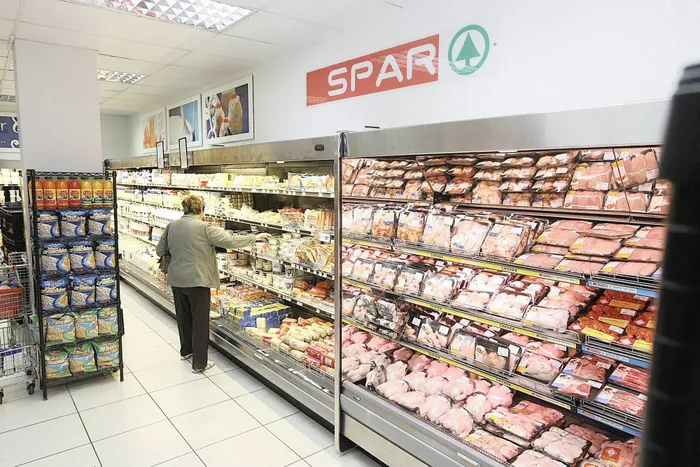
Popular South African retailer, SPAR, said on Thursday that it is aware of these pressures, has emphasised its commitment to delivering value, trust, and transparency in these uncertain times.
The retailer stated that it appreciates that the dynamic between fiscal policy and household affordability is complex, as budgets allocated in billions do not resonate in the same way as household spending, which operates in hundreds.
As South African consumers adapt to these ongoing pressures, retailers face an intricate balancing act.
With price sensitivity on the rise, businesses must navigate cost management, supplier relations, and operational efficiency without sacrificing the accessibility and quality that consumers have come to expect.
SPAR said that its independent retailer model placed it close to communities, enabling tailored responses to local needs, and ensuring essential grocery items remain affordable for all.
The looming question is how this budget will ultimately affect household finance and affordability.
Indicators to watch will include changes in basket composition, promotional responsiveness, and food choice preferences as families navigate their expenses.
In a landscape where fiscal policy meets everyday life, the lens through which consumers will gauge their financial well-being will rest upon their grocery receipts.
The real challenge remains: ensuring that the values of responsibility and sustainability guide this vital economic narrative, as retailers translate overarching national decisions into tangible everyday impacts.
Follow Business Report on Facebook, X and on LinkedIn for the latest Business and tech news.