

BASA applauds the government's CPI-aligned excise duty increase in the 2026 Budget, emphasising its role in promoting stability and growth in the beer industry. Discover how this decision impacts jobs, investment, and the broader economy.
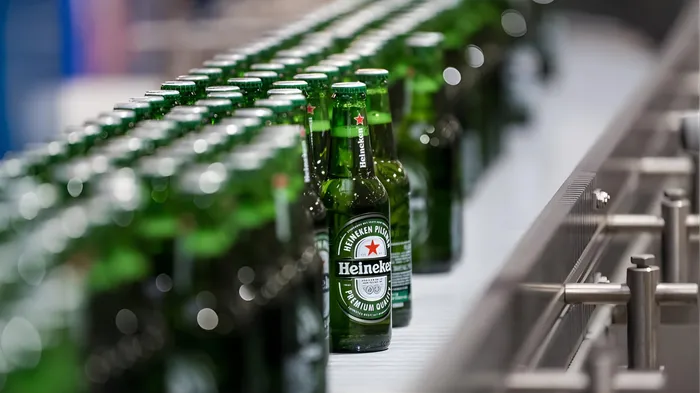
Image: Heineken
The Beer Association of South Africa (BASA) has warmly welcomed the government's decision to increase excise duties on alcoholic beverages by 3.4%, aligning with inflation trends in the recently announced 2026 National Budget.
This move signals a commitment to fiscal prudence while promoting sustainable economic growth within the nation’s beer industry.
In a statement following the budget speech, BASA CEO Charlene Louw expressed appreciation for the National Treasury’s choice to implement an inflation-linked excise adjustment.
“At a time when fiscal consolidation remains a priority and economic growth is gradually recovering; this approach reflects a balanced and pragmatic policy stance,” Louw said.
According to BASA, the indexation of excise duties to the Consumer Price Index (CPI) offers a predictable and stable framework for the beer value chain.
This stability is essential for the numerous stakeholders involved, from farmers and manufacturers to logistics operators, tavern owners, and township retailers.
Louw emphasised that certainty in excise policy underpins effective planning, protects jobs, and enhances business sustainability, particularly crucial for the smaller and emerging brewers.
The government’s focus on accelerating growth, fostering investment, and creating employment aligns seamlessly with a stable excise environment.
Such predictability allows brewers, especially those on the rise, to expand responsibly while maintaining workforce levels and making significant contributions to economic stimulation.
BASA stated that it is also aware of the broader financial landscape and the necessity for fiscal discipline, and Louw reiterated the importance of sustainable public finances.
“A transparent, CPI-based excise trajectory strikes an appropriate balance between revenue generation and protecting the competitiveness of the regulated market. Unforeseen spikes in excise duties could boost illicit alcohol trade, counteracting public health initiatives and jeopardising national revenue streams,” Louw said.
The beer sector plays a vital role in South Africa’s economy, deeply interconnected with agriculture, manufacturing, hospitality, logistics, and small enterprises.
The establishment of a consistent policy environment enhances investor confidence, which is crucial for supporting the economic reforms laid out in the Budget.
In this context, BASA is devoted to maintaining constructive dialogue with National Treasury to promote a stable, transparent, and multi-year excise framework aimed at fostering inclusive growth, safeguarding employment, and ensuring long-term fiscal viability.
Follow Business Report on Facebook, X and on LinkedIn for the latest Business and tech news.