

Verto’s South African Agricultural Exporters Report indicated that the South African agricultural export sector is experiencing a period of robust, horticulture-driven growth despite logistical challenges and inefficient cross-border payment systems that are steadily eroding exporter profitability
Image: File
Verto’s South African Agricultural Exporters Report released on Wednesdayindicated that the South African agricultural export sector is experiencing a period of robust, horticulture-driven growth despite logistical challenges and inefficient cross-border payment systems that are steadily eroding exporter profitability. Exports are projected to exceed $13.7 billion (R218 billion) in the 2025 outlook, primarily fueled by strong demand for high-value commodities like citrus, grapes, and macadamia nuts.
The report added that despite this positive momentum, the sector's competitiveness is significantly constrained by systemic inefficiencies and rising costs. “The primary deterrent is the "Achilles' heel" of logistics, specifically persistent congestion and operational delays at ports and the deterioration of rail infrastructure, which directly impacts the timeliness and cost of perishable exports. Trade policy uncertainty, notably the status of the AGOA agreement, and persistent biosecurity risks (such as Foot-and-Mouth Disease) pose ongoing threats to market access and profitability.”
To safeguard and enhance profit margins against these operational and market pressures, South African agricultural exporters must urgently optimise their cross-border payment systems. “By addressing the systemic issues in the logistics chain and strategically implementing modern, cost-effective cross-border financial technologies, South African agricultural exporters can lock in profit margins, streamline operations, and enhance their standing as reliable global suppliers.”
The report added that the South African agricultural sector is demonstrating resilience and an upward trajectory in 2025, largely recovering from previous challenges like the mid-summer drought and logistical bottlenecks.
“A positive weather outlook, including a predicted La Niña system, supports strong summer crop production for 2025/2026. There is a strong push to expand market access, particularly to expanded BRICS member nations (China, India, Saudi Arabia, and Egypt) to reduce reliance on markets with increasing trade barriers,” it said.
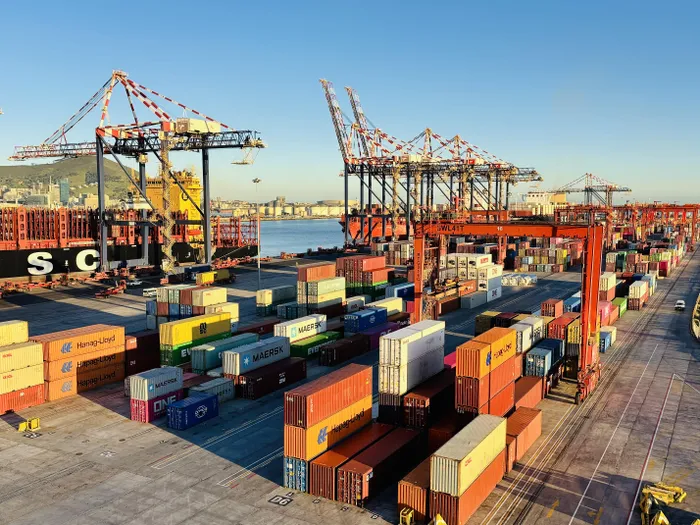
Logistics remain the single biggest challenge.
“While there have been some short-term efficiency gains at major ports like Durban, Cape Town, and Port Elizabeth, chronic issues persist,” it said.
The report added that inefficient port operations, equipment breakdowns, and capacity constraints lead to significant vessel delays, increasing demurrage costs and causing time-sensitive fresh produce to spoil. “Deterioration of the country's rail network forces more freight onto poorly maintained provincial roads, increasing transport costs, delays, and product damage. The dysfunction of ports and rail is estimated to cost farmers tens of thousands of Rands per hectare in reduced returns and increased expenses.”
The livestock sector continues to be severely affected by animal diseases.
“Recurring outbreaks of Foot-and-Mouth Disease severely restrict the export of beef and other livestock products, causing economic losses and limiting the sector's overall contribution.”
The report added that the lack of a fully implemented, robust national traceability system (from farm to fork) is a non-tariff barrier, as many international markets require this level of verification for food safety and origin, particularly for meat.
The report said that South Africa is a water-scarce country, and erratic weather patterns linked to climate change (e.g., prolonged droughts followed by intense rains) demand massive investment in water-smart farming technologies.
“Farmers also face rising costs for essential inputs, including fuel, electricity (despite solar adoption), and fertilizers. This squeezes profit margins, making cross-border payment efficiency even more critical for saving on transaction costs,” it said.
The report added that to remain competitive, exporters must focus not only on efficiency gains on the farm and at the port but also on making their financial processes as frictionless and low-cost as possible, which is why optimizing cross-border payments is a key strategic imperative.
“The South African Reserve Bank is actively engaged in the G20 Roadmap to achieve faster, more affordable, more transparent, and more inclusive cross-border payments by 2027. This indicates a high level of commitment to modernizing the payment ecosystem,” it said.
The report concluded that efforts are focused on strengthening regional cooperation and modernizing regulatory frameworks to improve interoperability between South Africa's payment systems and those across the continent, particularly within the SADC region. “This is crucial for expanding market access within Africa.”
BUSINESS REPORT