Household food prices rise slightly in January 2026, but show year-on-year decrease
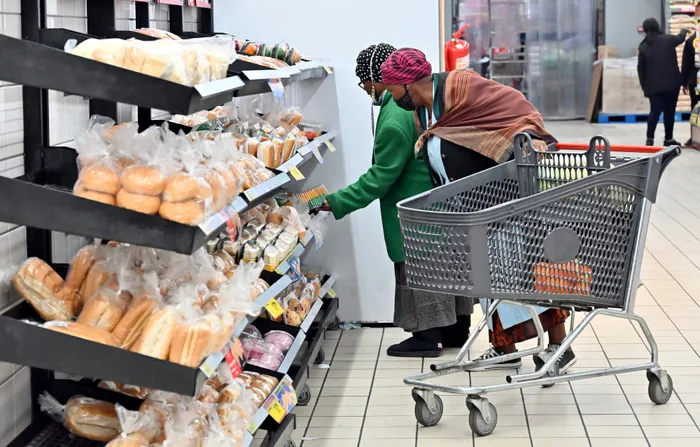
Amid rising costs and economic uncertainty, South African families face the harsh reality of food affordability in 2026. Discover the critical findings from the latest Household Affordability Index and the implications for household budgets across the country.
Image: Ayanda Ndamane/ Independent Newspapers.
The January 2026 Household Affordability Index presented a mixed picture for South African families as it reveals a modest increase in the cost of basic food items.
The average cost of the Household Food Basket rose to R5 401.44, marking a R67.99 (1.3%) increase from December 2025.
Notably, however, this figure is still R32.26 (0.6%) lower compared to January 2025.
According to the data, prices for 26 of the 44 tracked food items rose in January, with certain staples such as potatoes and onions experiencing significant increases of 15%.
Other items in this category included frozen chicken portions, which grew by 5%, and spinach, which surged by an alarming 16%.
In contrast, some foods saw a decrease in price. Chicken feet dropped by 6%, and green peppers plummeted by 10%.
Year-on-year, the broader trend reflects a slight easing of prices, yet month-on-month changes indicate ongoing volatility as families continue to navigate rising living costs.
The report highlighted discrepancies across various regions in South Africa.
For instance, Johannesburg and Durban saw the average cost of food baskets decrease, with Johannesburg’s basket dropping R22.73 (0.4%), while Durban’s fell by R11.11 (0.2%).
Conversely, Cape Town reported a worrying increase of R204.09 (3.9%), becoming one of the more expensive cities for food staples.
Examining household economic pressures, the available statistics demonstrate a financial landscape in which South African workers struggle to provide enough nourishment for their families.
The National Minimum Wage stands at R4 836.72 per month, but with the average nutritional food basket costing R3 720.25 for a family of four, a significant part of workers' income is consumed by basic needs such as electricity and transportation.
In fact, it has been calculated that as much as 59.2% of a worker's wage may go towards these essential services, leaving little room for food expenditure.
This precarious disparity is further compounded for families reliant on Child Support Grants, as the R560 assistance is strikingly below both the Food Poverty Line of R777 and the average monthly cost to feed a child, which stands at R948.18.
Such financial constraints lead many households to face a harsh reality where they cannot afford the necessary nutrition, demonstrating a critical need for enhanced social support mechanisms.
As South Africa continues to grapple with these evolving economic challenges, the January 2026 Household Affordability Index serves as a crucial reminder of the persistent inequalities affecting many citizens.
With inflation rates and consumer pricing continuing to vary, urgent considerations must be made towards sustainable solutions, ensuring that all families have reliable access to both affordable and nutritious food.
BUSINESS REPORT