Your bonus isn’t broken, your budget is
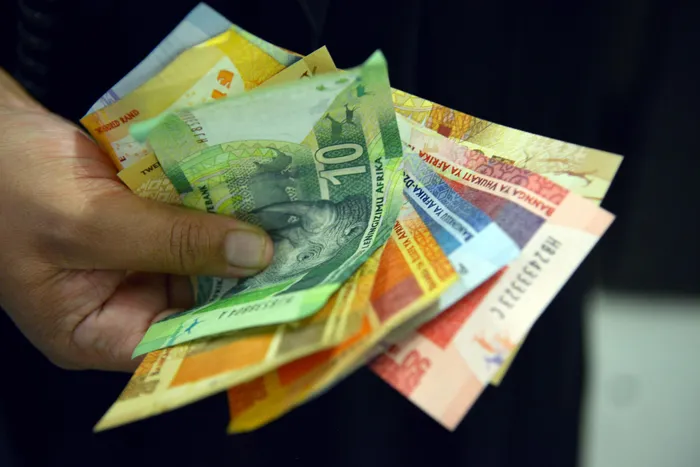
As the festive season approaches, many South Africans are left grappling with the stark reality that their bonuses don't stretch as far as they used to. Learn why that year-end bonus feels smaller and discover expert tips on how to effectively budget for a stress-free holiday.
Image: Karen Sandison/ African News Agency
As the festive season approaches, many South Africans find themselves facing a perplexing reality: despite receiving their annual bonuses, the financial relief they hoped for seems out of reach.
Amid joyous decorations and the aroma of traditional holiday meals, an unsettling truth lurks beneath the surface. Why does your thirteenth cheque seem less impressive than in previous years?
According to Boipelo Ndimande, Chief Financial Officer at Consult by Momentum, understanding the complex interplay of economic factors is crucial for devising an effective holiday budget that ensures your financial comfort even amid rising costs.
What’s impacting your take-home pay?
Ndimande points to several key reasons why your bonus might appear more meagre this year:
- Tax Bracket Creep: The absence of adjustments to income tax brackets for inflation in this year’s Budget Speech means that any salary increase pushes more of your earnings into a higher tax bracket. Thus, while your bonus might look good on paper, it's ultimately taxed at a higher marginal rate, significantly impacting your take-home amount.
- Lifestyle Creep: Subscriptions, convenience spending, and other lifestyle upgrades accumulate over time, tightening your budget as December rolls in. This year, your bonus has more gaps to fill due to these hidden expenses.
- Inflation: With living costs escalating faster than salaries, your bonus now buys less. For instance, a family that once spent around R1 200 for a Christmas lunch will likely fork out over R1 800 this year due to elevated food inflation.
- The Annual Knock: Close to year-end, various additional costs such as licence renewals and school deposits come into play, often draining your bonus before it can offer substantial relief.
Ndimande remarked, “Many forget how far their bonuses stretched just a few years ago. In real terms, today’s R20k bonus is worth significantly less than it was in 2019.”
Taking control of your holiday budget
While factors like inflation and tax changes are beyond your control, Ndimande emphasises that budget management is entirely within your hands.
Here’s how you can better navigate the festive financial landscape:
- Relook your festive budget: Before you even touch that bonus, conduct an honest assessment of your December expenses. Prices for essentials like food and travel have risen significantly, so disassociating your current budget from what it was a few years ago will help you recalibrate. Identify areas for cuts to regain financial control.
- Split your bonus wisely: The moment your bonus arrives, divide it into portions: allocate funds for essential expenses, save or reduce debt, and set aside a final slice for guilt-free festive enjoyment. This strategy will help ensure your priority bills are covered first.
- Look into ways to save or cut back: Intentional shifts in spending can stretch your bonus further. Consider pooling funds for charitable donations instead of buying many individual gifts or hosting a potluck-style meal to ease financial burdens.
- Work with a financial adviser: A financial adviser can provide a clear, objective view of your cash flow during the festive season and assist in building a realistic plan aligning with your income and obligations.
Ndimande said, “This guidance can be the difference between feeling overwhelmed and in control, setting you up with better financial habits for the future.”
If managing finances feels daunting, remember that investing in financial advice could be the best gift you give yourself this holiday season.
BUSINESS REPORT