

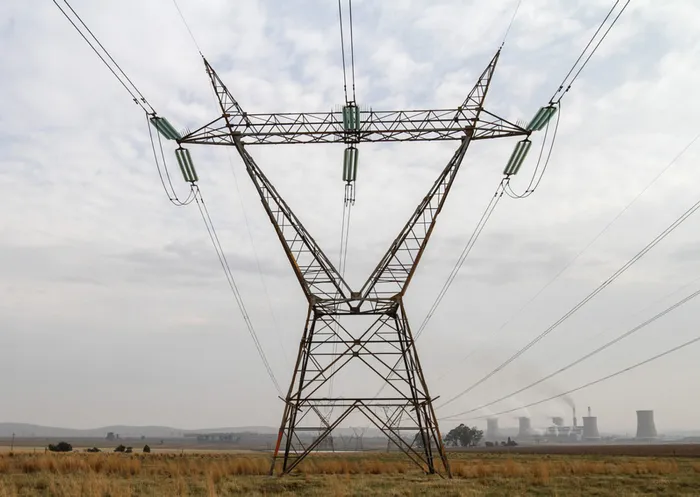
File photo: Dean Hutton/Bloomberg. File photo: Dean Hutton/Bloomberg.
Johannesburg - Municipalities have been told to plan their budgets around hiking their electricity tariffs by 12.2 percent from July 1.
This is the guideline price increase set by the National Energy Regulator of South Africa (Nersa), which approves the tariffs.
“The municipal tariff guideline increase and benchmarks will be implemented on July 1, 2015, and they are meant to assist municipalities in preparing their tariff reviews,” Nersa said.
“It is important to note that this guideline is not an automatic increase in tariffs and that licensees are still required to apply to the energy regulator for approval of their tariffs. Licensees applying for an above-guideline increase will have to justify the increase to the energy regulator.”
The municipal guideline increase is based on Nersa’s decision in November to allow Eskom to increase the price of bulk electricity sold to municipalities by 14.24 percent. It was part of the overall price increase of 12.69 percent approved for Eskom. The increase to municipalities is higher as it runs over only nine months of Eskom’s financial year because the municipal financial year starts in July.
The price increase to municipal customers also takes into account that other costs of delivering electricity do not increase as much as the bulk purchases.
In calculating the municipal price hike, Nersa assumed a consumer price index (CPI) of 6.3 percent, that the municipal wages for delivering electricity would increase by CPI plus 1 percent, and that repairs, maintenance, capital costs and other costs would increase by the CPI.
Nersa has previously calculated that 70 percent of the municipalities’ cost of providing electricity is spent on buying bulk electricity from Eskom, 10 percent is spent on paying staff, 6 percent is spent on repairs, 4 percent goes to capital charges and 10 percent to other costs.
However, Nersa noted that bulk electricity had now increased from 70 percent to 73 percent of the total cost. “This increase results from higher electricity prices,” Nersa said in the pricing explanation.
Municipalities wanting to charge more than the guideline will have to justify it to Nersa.
This explanation must include a detailed revenue analysis and how the extra money will be spent, and an agreement to spend the extra funds only on what was promised.
The municipalities must report to Nersa every six months on how that spending is going and, if they spend the money on something else, they should expect that it will be clawed back in the next financial year.
The Star