

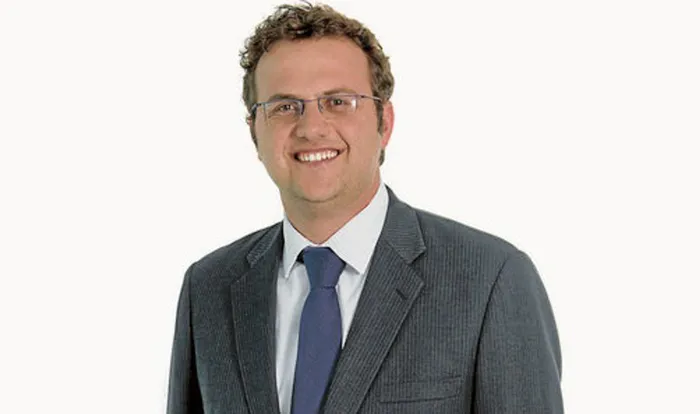
Michael Sassoon Sasfin Holdings' chief executive officer
Image: Supplied
Sasfin Holdings has largely completed its transformation from an integrated bank holding company into an investment-holding company, repositioned on its two key investments: asset finance and rental solutions, Sunlyn, and the wealth business, which will launch next week under a new identity, Otto-1890.
This was according to Sasfin CEO Michael Sassoon, who said in an online briefing on Monday that it was the start of a new growth phase. The new name “Otto-1890” was in honour of the founder of the initial investment group, Otto Pollack, established in 1890.
He said Sasfin’s new growth strategy had followed three years of strategic reset that had included its delisting from the JSE in December 2024, the winding down of its bank with all depositors repaid, and a refocus on its two core businesses: Wealth and Rental Finance.
He noted that both businesses had continued to perform well through the past three years of the strategic reset, and during the height of Sasfin’s erstwhile banking operations, these two divisions had made up 70% of the group’s revenue.
Sassoon outlined four main aims through the strategic reset over the past three years: the repayment of depositors, which had been successfully concluded, barring some unclaimed accounts; taking care of other stakeholders, with, for instance, the HR department helping to find alternative employment for some of the 300 staff affected; adhering to all financial regulations; and finally, setting up the two remaining growth engines in the group.
The reset also saw Sasfin disposing of its capital equipment finance and commercial property portfolios to African Bank for R3.28bn in 2023. The Business and Commercial Banking division was closed, along with other non-core lending businesses, by the end of 2025. The banking licence is in the process of being deregistered by the SA Reserve Bank, he said.
The Sasfin Bank entity is also still defending legal action instituted against it by the SA Revenue Services (SARS) that followed in 2022 when a rogue criminal syndicate was found to be operating in Sasfin’s foreign exchange division, defrauding some 19 clients, which accounted for less than 0.5% of the bank’s gross income. No senior management or board members were implicated.
SARS had issued a R4.8bn damages claim against Sasfin because it believed the bank had been “negligent” and a R478 million alternate claim. In December, Sasfin won a judgement that found SARS’ main claim could not be heard in a South African court, a judgement that SARS is appealing. In the meantime, Sasfin also intends to defend the R478m claim.
Sassoon said the R4.8bn damages claim was unprecedented in South African corporate history and if it had succeeded, it would have resulted in the bank’s depositors being paid out very little in rand, because the bank would have been required to pay SARS five times its equity value.
Sassoon expressed his belief that no bank could succeed in South Africa if they had to operate under the threat of such high penalties.
Visit:www.businessreport.co.za