

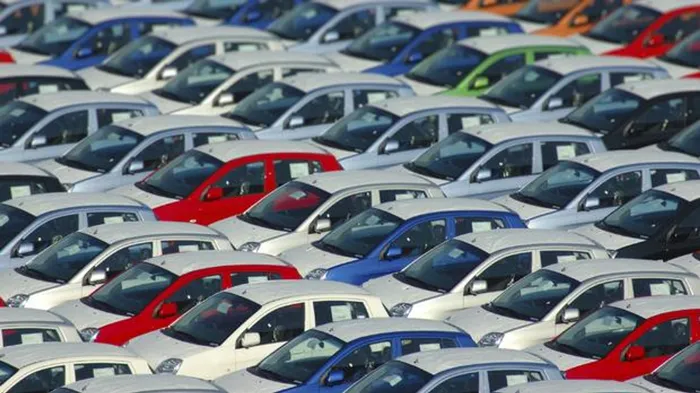
This comes as the government is currently debating whether to impose higher tariffs of up to 50% on imported cars from India and China as local manufacturers struggle to compete and protect jobs in the domestic automotive industry.
Image: Fiel photo
The Motor Industry Staff Association (MISA) has urged the government to strike a careful balance between protecting the South African automotive manufacturing sector from the growing influx of Chinese and Indian vehicle brands and preserving the strong momentum in the retail motor industry.
This comes as the government is currently debating whether to impose higher tariffs of up to 50% on imported cars from India and China as local manufacturers struggle to compete and protect jobs in the domestic automotive industry.
However, the move to raise tariffs could result in higher prices for consumers, particularly for entry-level and budget vehicles, which have been the fastest-growing segment of imports from India and China.
The Department of Trade, Industry and Competition (the dtic) is reviewing measures, including higher import duties and excise taxes, to support the domestic automotive industry.
One other option under discussion is updating the country’s tariff schedule to align import levies with World Trade Organisation (WTO) rules for most-favoured nations.
MISA, which represents more than 75 000 employees in the retail motor sector, on Wednesday welcomed the dtic’s internal review into possible measures to support the domestic automotive industry.
However, it cautioned that any interventions should not come at the expense of retail motor businesses, where new brands have been driving employment and growth.
“It is late in the game for the South African government to consider imposing tariffs of up to 50% on vehicles from China and India,” said Martlé Keyter, MISA’s CEO for operations.
“Government should look at the entire economy and equally support the retail motor industry where these brands have been creating jobs.”
MISA said sustained growth in the retail motor industry should be protected alongside efforts to strengthen local manufacturing, warning that an unbalanced policy response could undermine job creation and consumer affordability across the value chain.
It said policy responses should focus on encouraging Chinese and Indian manufacturers to invest in local vehicle production, as well as in parts and component manufacturing, rather than relying on punitive tariff measures.
Earlier this week, the association welcomed Chery’s investment in South Africa following its acquisition of Nissan’s production plant in Rosslyn, Pretoria.
The deal is expected to retain employment for most of Nissan’s affected workers and support the broader automotive supply chain.
However, labour organisations are seeking clarity on job retention and the future of the Nissan-linked value chain and warned that unless local procurement is prioritised, particularly by government as the country’s largest fleet operator, further job losses could follow in the tyre sector.
Meanwhile, MISA has also repeatedly urged new Chinese and Indian brands entering the South African market in 2025 to expand their dealership networks.
Such expansion, the association said, could help absorb workers displaced by the closure of underperforming dealerships of traditional vehicle brands.
“The influx of Chinese and Indian brands stimulated the local market and created massive competitiveness," Keyter said.
"The result, new vehicle sales records for three consecutive months at the end of 2025, not only surpassing pre-pandemic levels for the first time but also reaching highs not seen in a decade.”
BUSINESS REPORT