Transnet's rail improvements boost coal Eexports at Richards Bay Terminal
LOGISTICS
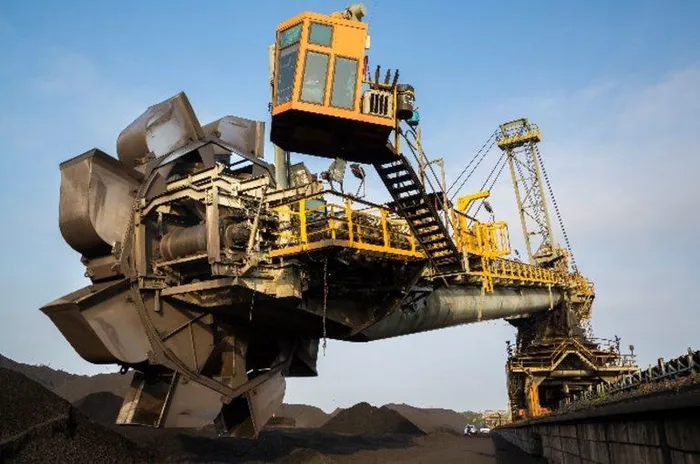
While installed terminal infrastructure has remained largely unchanged, including 10 yard machines and four ship-loaders, all currently operational, RBCT said changes in operating protocols and manpower deployment have improved flexibility and peak handling capacity.
Image: Supplied
Tawanda Karombo
There is a marked improvement on the coal export rail line to Richards Bay Coal Terminal (RBCT), which said on Tuesday it was eyeing expanded export volumes, with Transnet attributing the improved shipments to implementation of solutions to end train delays, stoppages and inefficiencies.
Logistics logjams related to Transnet’s rail constraints have been blamed for lower export performance by South African bulk miners although the freight rail operator has started to improve.
RBCT board chairperson, Nosipho Damasane, said they had sought to accelerate efficient movement of coal to the terminal pending finalisation of reforms for Transnet.
The terminal had joined hands with Transnet on implementation of short-term measures to short circuit challenges that were slowing down coal shipments for export.
“So we moved away from diagnosis of the problems to precision, and now we're moving into execution. And we really are looking into a very good working relationship with Transnet,” said Damasane.
While installed terminal infrastructure has remained largely unchanged, including 10 yard machines and four ship-loaders, all currently operational, RBCT said changes in operating protocols and manpower deployment have improved flexibility and peak handling capacity.
“We are back to 100% manning across all machines,” RBCT CEO Allan Waller, noting that earlier cost-saving measures that reduced staffing levels had been reversed by mid-2025 to allow the terminal to respond to traffic surges, particularly when multiple trains and vessels arrive simultaneously.
Coal to RBCT continues to be sourced from mines located roughly 65km to 69km away, leaving rail performance the single most important determinant of export volumes.
While Transnet Freight Rail (TFR) remains central to the corridor, RBCT has strengthened direct operational coordination with Transnet Engineering and other stakeholders.
Security, which had for long been a drag on coal exports due to cable theft and vandalism, had also shifted from being one of the top two “volume eaters” to around sixth place, according to Waller.
“Since mid-2025, train cancellations linked to cable theft have become rare, supported by improved coordination between security teams, technology deployment and intelligence-led interventions along the corridor,” he said.
“Weekly meetings with exporters and corridor security heads now review incidents and adapt responses in near real time.”
However, as rail availability improves, other bottlenecks have surfaced.
Power supply has emerged as a new risk, prompting a three-way infrastructure assessment involving Eskom, Transnet and the local municipality. This project aims to identify weak points across the power network serving the corridor and ensure capital is deployed where it delivers the highest impact.
Furthermore, a resignalling project was nearing execution. Although the signaling upgrade is a Transnet-led initiative, RBCT views it as a major lever to unlock additional rail volumes over the medium term.
In the last 30 days of the 2025 year, Transnet Freight Rail delivered an average of 23 trains per day, while in January it maintained an annualised 60 million-ton run rate, even during periods of planned maintenance.
“We are going to be between 60 million and 65 million from a freight train perspective for this year,” said Theo Johnson, Transnet Freight Rail general manager for the coal business unit.
“But I think minimum, the minimum volume we can do is at 60 million tons…. January has now shown us that at least we've done the step change and I think it's something that we can sustain.”
Transnet and RBCT said brake-related delays, which had pushed tipping times to as high as 14 minutes per train earlier in 2025, had been reduced to an average of six minutes by December following joint interventions with Transnet Engineering.
BUSINESS REPORT